





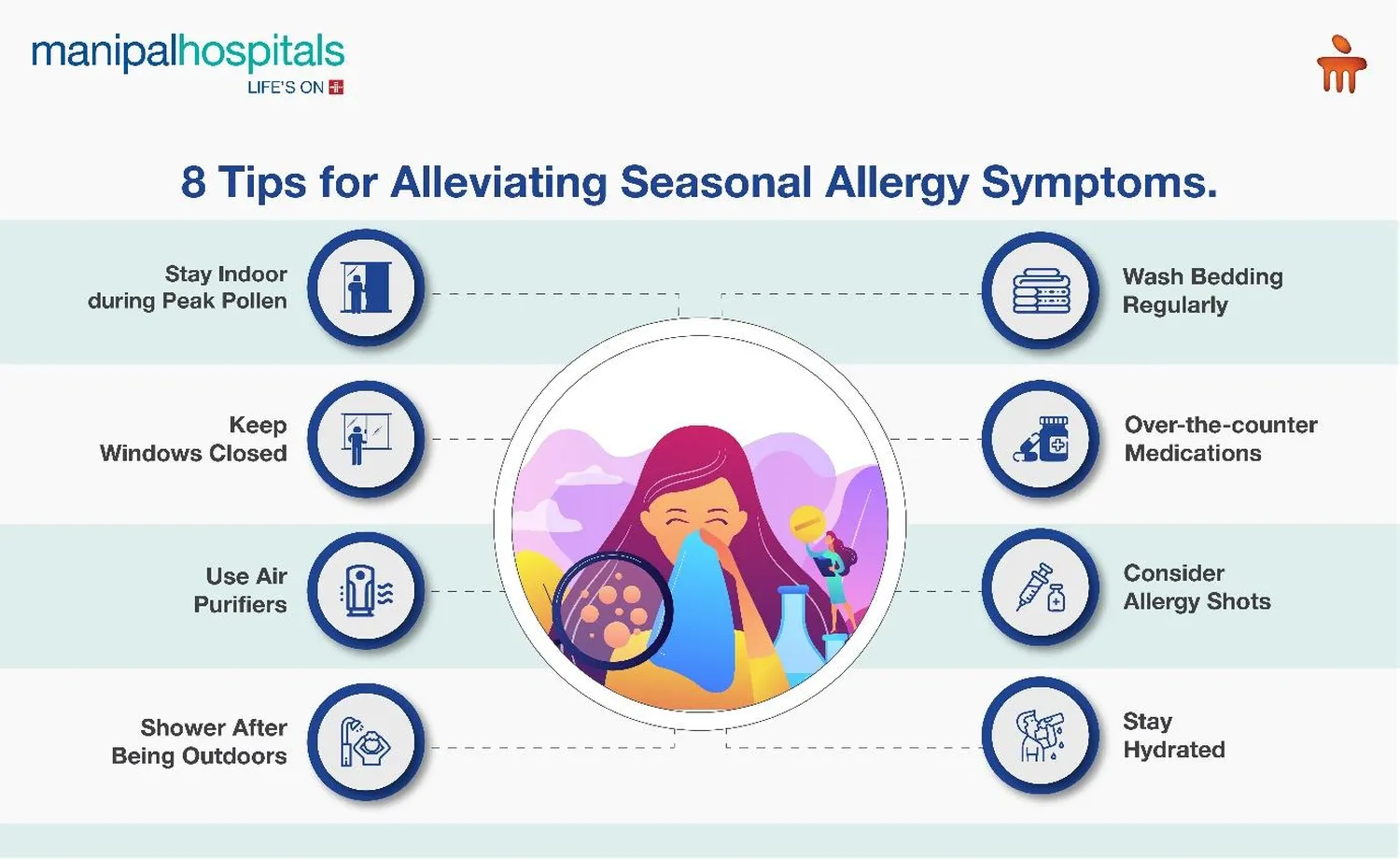
When seasonal weather shifts trigger severe botanical releases, millions of individuals encounter debilitating bouts of allergic rhinitis. Knowing exactly how to prevent seasonal allergies during high pollen days relies completely on establishing airtight personal barriers, executing timely decontamination routines, and adjusting your indoor living spaces. By taking a proactive approach, you can block microscopic airborne irritants from entering your respiratory tract, avoiding itchy eyes and severe congestion without disrupting your entire daily routine.
1. Real-Time Tracking and Peak Exposure Management
The first step in a successful allergen defense system is knowing exactly what is happening in your local environment. Microscopic plant particles follow predictable daily patterns, typically reaching their highest levels in the air between 5:00 AM and 10:00 AM, especially on warm, windy days. During these peak hours, outdoor activities can quickly trigger severe respiratory issues.
Before stepping outside, check reliable local monitoring networks for accurate particulate updates. If counts are high, try shifting your outdoor exercise routines to late afternoon or evening, when environmental counts naturally decrease. If unexpected rainstorms arrive during high-exposure seasons, stay indoors immediately during the first 30 minutes of rainfall. Heavy downpours can cause microscopic grains to rupture into smaller, highly irritable particles. To monitor shifting fronts, learn how to track severe weather using a smartphone app so you can anticipate sudden atmospheric shifts that stir up airborne particulate matter.
2. Structural Barriers and Re-entry Decontamination
When you must go outside during high seasonal counts, treat your clothing and accessories as functional protective shields. Microscopic particles stick easily to exposed skin, hair, and soft fabrics, allowing allergens to sneak into your clean indoor living spaces without you noticing.
Wear wrap-around sunglasses to protect your eyes from floating debris, and put on a high-efficiency N95 respirator mask during outdoor chores like mowing the lawn or gardening. This physical block prevents up to 95% of airborne irritants from entering your airway. If you are also dealing with low temperatures and rainfall, read our specialized tips on how to dress for 40 degree weather in the rain to build an effective outer defense that keeps you warm, dry, and protected from environmental triggers all day long.
Once you step back inside your home, execute a thorough decontamination routine. Take off your shoes immediately at the door, throw your worn clothes straight into a hot washing cycle, and rinse your hair completely under the shower before heading to bed. This simple practice keeps your bedding completely free of evening allergen buildup.
3. Pollen Severity and Impact Breakdown
Different plant types release distinct microscopic particles that impact our health in unique ways throughout the seasons. The comparative guide below highlights common seasonal triggers, typical exposure hours, and effective natural protection methods.
| Allergen Category | Peak Peak Hours | Primary Protection Method |
|---|---|---|
| Tree Pollen | Early Morning | N95 Mask & Glasses |
| Grass Species | Midday Warmth | Recirculating Vehicle Air |
| Weed Varieties | Late Afternoon | Evening Hair Rinse |
| Fungal Spores | Damp Nighttime | Closed Home Windows |
Maintaining a clean indoor space means sealing off all entry paths. Keep your home and car windows closed during high-exposure seasons, and set your ventilation systems to pull air from inside rather than outside. If you are preparing your home for seasonal changes, check out our guide on how to insulate windows for extreme cold weather. These sealing techniques create an airtight perimeter that blocks outside air issues from invading your living space.
4. Indoor Air Purification and Lifestyle Adjustments
Even with windows closed, microscopic particles can still find their way inside through small cracks or pet fur. To keep your indoor air completely clean and allergen-free, use a high-efficiency particulate air (HEPA) purifier in your main living spaces and bedroom. True HEPA filters capture over 99.7% of floating particles, including microscopic spores down to 0.3 microns.
Clean and vacuum your floors weekly using a vacuum equipped with a HEPA filter to prevent settled dust from kicking back up into your breathing zones. If dry indoor air from constant filtration irritates your nasal passages, clear your airways daily using a sterile saline nasal rinse. If high pollen counts are disrupting your sleep, check out our companion guide on how to sleep comfortably during a hot humid night for expert tips on managing indoor humidity and air circulation for a peaceful, allergy-free night.
5. Frequently Asked Questions (FAQs)
Can an air purifier completely eliminate pollen inside a room?
A true certified HEPA purifier captures up to 99.7% of floating particles in the air. However, it cannot clean particles that have already settled deep into your rugs, carpets, or soft furniture fabrics, which is why regular deep vacuuming is still essential.
Why are my seasonal allergy symptoms worse on dry, windy days?
Strong winds pick up lightweight plant particles and carry them across vast distances, creating dense clouds of allergens in the air. On the other hand, damp or humid air weighs down these particles, pulling them down to the soil where they are less likely to be inhaled.
Should I dry my laundry outside during high allergen seasons?
No, avoid line-drying clothes outside during high counts. Wet fabrics act like a magnet for floating dust and plant particles, trapping allergens straight inside the fibers of your sheets and clothing.
For more authoritative updates on global air quality indexes and seasonal medical tracking, visit the official American Academy of Allergy, Asthma & Immunology (AAAAI) research database.