





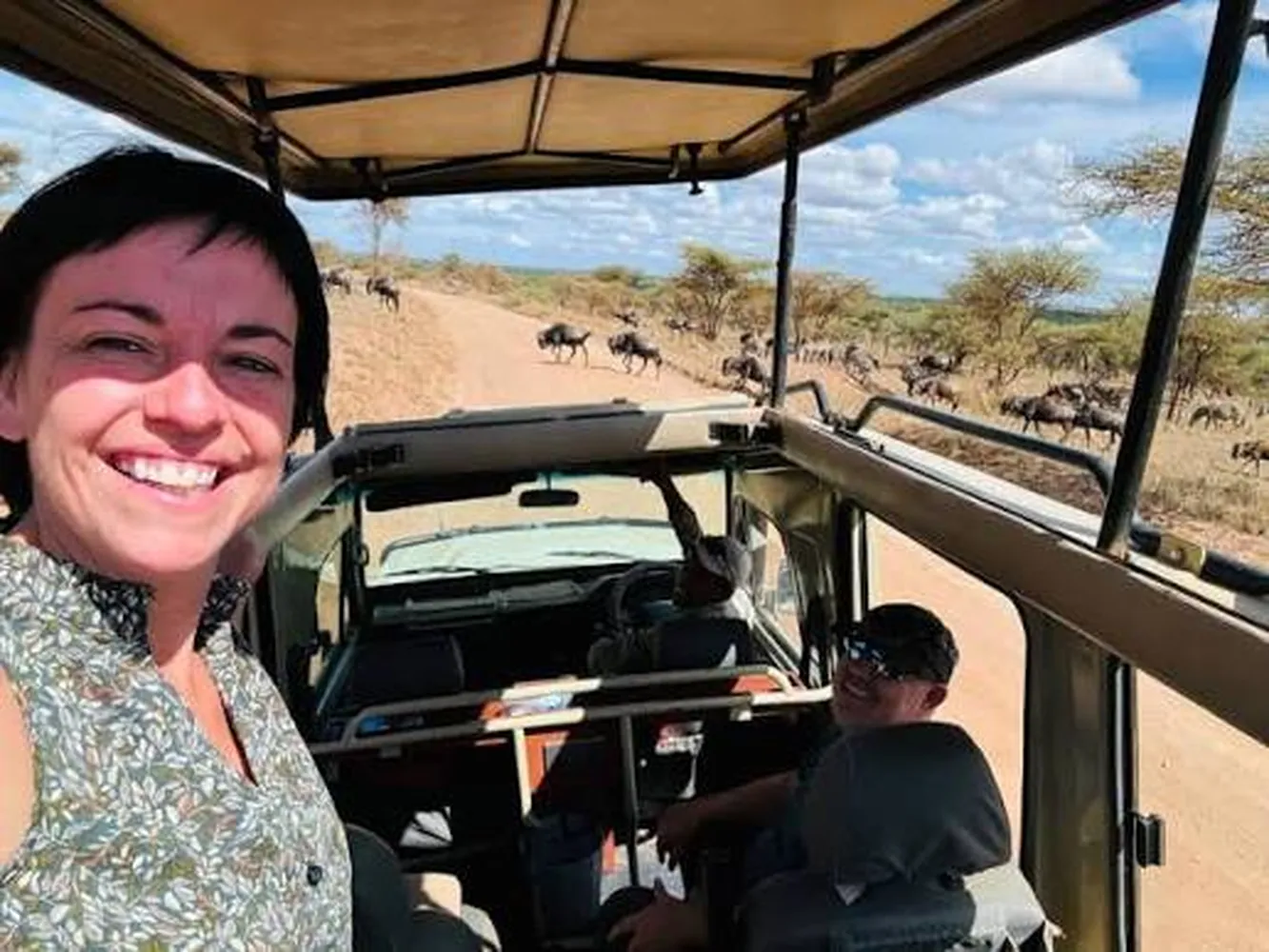
Preparing for a 6-day luxury safari across Tanzania’s legendary Northern Circuit is an exhilarating experience, but one that demands precise, structured planning. Unlike standard leisure holidays, luxury safaris in East Africa blend ultra-high-end hospitality with raw, isolated wilderness environments. Knowing exactly how to prep for a 6 day luxury Tanzania trip makes the difference between an effortless bucket-list expedition and a series of avoidable logistical headaches in the remote bush.
A 6-day timeline represents the ideal duration for a high-impact, immersive itinerary. It provides adequate time to experience the world-famous Great Migration in the Serengeti National Park, descend into the wildlife-dense caldera of the Ngorongoro Crater, and explore the ancient baobab landscapes of Tarangire or Lake Manyara—without incurring travel fatigue. However, because luxury in the bush relies heavily on short-hop bush flights, private 4x4 Land Cruisers, and strict conservation protocols, personal preparation must be executed with precision long before you board your international flight.
When you decide to book a 6 day luxury safari in tanzania, your safari operator handles camp reservations, park entry permits, private guides, and internal flights. Yet, personal readiness—ranging from passport regulations, visa applications, and specialized travel health measures to strict aviation luggage restrictions—remains entirely in your hands. This master preparation manual provides an exhaustive, step-by-step roadmap to get you completely trip-ready.
Click Here to Expand: Executive Summary & Preparation Timeline
3 Months Before Departure: Check passport validity (must have at least 6 months validity from return date and 3 blank visa pages). Consult a travel health clinic for malaria prophylaxis prescriptions and Yellow Fever requirements.
1 Month Before Departure: Apply for your Tanzania e-Visa online via the official government portal. Confirm internal bush flight luggage allowances (strict 15 kg soft-sided duffel rule).
2 Weeks Before Departure: Withdraw crisp, unwrinkled USD cash bills (printed after 2013) for tips and artisanal market purchases. Purchase neutral-toned safari apparel (khaki, olive, tan) and break in walking boots.
1 Week Before Departure: Pack your soft duffel bag, weigh it using a luggage scale, double-check camera gear/chargers, and make hard paper copies of all travel documents, visas, and health records.
1. Passports, e-Visas, Travel Documentation, and Customs Laws
Navigating immigration control, border security, and international customs protocols is the foundational step of your luxury East African safari. Arriving at major entry hubs such as Kilimanjaro International Airport (JRO), Abeid Amani Karume International Airport (ZNZ) in Zanzibar, or Julius Nyerere International Airport (DAR) in Dar es Salaam sets the operational tone for your entire 6-day journey. While Tanzania is renowned for its warm hospitality (Karibu Sana), its immigration officers and customs agents strictly enforce statutory entry requirements to preserve national security and protect protected wilderness ecosystems.
For high-net-worth luxury travelers, unexpected delays, passport rejection, or confiscated photography equipment at immigration control can disrupt tightly scheduled charter flights and private lodge transfers. Mastering these legal protocols, paperwork workflows, and customs declarations weeks before departure ensures your arrival is swift, discreet, and stress-free.
Read More: Why Entry Logistics Matter for a 6-Day Itinerary
On a short 6-day luxury safari itinerary, every single hour is precious. A delay of 2 to 3 hours in an airport immigration line due to a visa error or missing vaccination record can cause you to miss your scheduled domestic bush flight from Arusha Airport (ARK) or Kilimanjaro (JRO) into the Serengeti (e.g., Seronera or Kogatende airstrips). Bush flights operate on strict daylight flying rules set by the Tanzania Civil Aviation Authority (TCAA); aircraft cannot land on unlit bush airstrips after dark. Missing your morning flight means spending an unexpected night in Arusha, effectively burning 16% of your total luxury safari experience. Preparing your documents with absolute precision guarantees seamless transit straight from your international flight to your private bush plane.
Passport Integrity: Validity, Blank Pages, and Damage Rules
Your physical passport is your primary legal identity token in East Africa. Tanzanian Immigration Services Department operates strictly regarding document condition and expiration timelines. International airlines enforce these standards at departure gates, meaning non-compliance will prevent you from boarding your flight in London, New York, Frankfurt, or Dubai.
| Passport Criterion | Legal Standard Requirement | Risk of Non-Compliance |
|---|---|---|
| Validity Horizon | Minimum 6 months valid beyond intended exit date from Tanzania. | Immediate boarding denial by international air carriers. |
| Blank Stamp Pages | At least 2 to 3 consecutive, fully blank "Visa" pages. | Refusal of entry stamp at border control; deportation at traveler's expense. |
| Physical Condition | No torn pages, water damage, loose covers, or altered details. | Passport flagged as compromised/fraudulent by border scanners. |
It is vital to distinguish between "Amendment Pages" at the back of some passports and official "Visa Pages". Tanzanian immigration stamps require a full page for full-page entry stickers and hand stamps. If your passport is within 8 months of expiration or has fewer than three clean blank pages left, submit an expedited passport renewal application at least two months prior to departure.
Mastering the Tanzania e-Visa System vs. Visa on Arrival
While Tanzania technically offers a Visa on Arrival (VoA) service at primary airports, relying on this option is highly discouraged for luxury travelers. Airport arrivals on long-haul international flights (such as Qatar Airways, KLM, Ethiopian Airlines, or Emirates) often release hundreds of passengers simultaneously. The Visa on Arrival queue requires passengers to undergo four separate manual steps: document verification, biometric fingerprint scanning, bank cashier payment processing, and final visa sticker issuance. This process can easily take up to two hours.
Applying for an online e-Visa via the official Government Portal (visa.immigration.go.tz) at least 30 days prior to your departure allows you to bypass the processing lines and proceed straight to the expedited e-Visa entry lanes.
Official Visa Tier Breakdown by Nationality:
- United States Passport Holders: Under a bilateral reciprocal agreement, US citizens are required to apply for a Multiple-Entry Tourist Visa ($100 USD fee). This visa is valid for 12 months and permits stays of up to 90 days per entry. Single-entry tourist visas are not granted to US passport holders.
- UK, EU, Canadian, Australian, and NZ Passport Holders: Eligible for a Ordinary Single-Entry Tourist Visa ($50 USD fee), which is valid for up to 90 days from the date of entry.
- Referral Visa Nationalities: Passport holders from certain countries (including Pakistan, Lebanon, Bangladesh, Nigeria, and several others) require a "Referral Visa". This process involves extra security checks by the Director of Immigration Services in Dar es Salaam and requires application at least 2 months in advance.
Read More: Step-by-Step Instructions for the Official e-Visa Portal
How to Complete Your Application Correctly:
- Use Only the Official Portal: Apply exclusively at
visa.immigration.go.tz. Beware of third-party scam websites charging excessive processing surcharges. - Prepare Digital Scans: You will need a clear JPEG copy of your passport bio-page (under 300KB), a passport-style digital headshot photo (white background), and a copy of your return flight ticket or safari booking confirmation itinerary from your tour operator.
- Input Host / Reference Details: Select "Tour Operator" as your host reference type, and input the registered business address, contact person, and official tour license (TATO) details provided in your safari booking dossier.
- Save Your Application ID: Once submitted, save your unique 16-digit Application ID number immediately. Approval takes between 5 to 14 business days. Check status regularly and download the printable PDF approval certificate once issued.
Strict Customs Laws, Environmental Bans, and Controlled Tech
Tanzania enforces rigorous border conservation rules designed to protect its pristine environments and fragile wildlife ecosystems. Luxury travelers carrying professional camera equipment, technology, or personal luggage must comply with three major national regulations:
1. The National Single-Use Plastics Prohibition
Tanzania strictly enforces an environmental law prohibiting the importation, production, sale, and use of single-use plastic carrier bags. Non-biodegradable shopping bags, duty-free plastic carrying bags, and disposable garbage bags will be confiscated at airport border control points.
Permitted Exceptions: Clear, plastic "zip-top" bags specifically used to carry liquids and toiletries under international aviation security rules (TSA rules) are permitted, provided they remain in your possession and leave the country with you at the end of your trip.
2. Drone Restrictions and Photography Laws
Tanzania is an exceptionally protective country regarding airspace safety and animal welfare. Flying recreational drones inside National Parks (managed by TANAPA), the Ngorongoro Conservation Area (NCA), or Wildlife Management Areas (WMAs) is strictly prohibited without written permission from both the Tanzania Civil Aviation Authority (TCAA) and TANAPA.
Warning on Unregistered Drones:
Do not pack a drone in your luggage assuming you can use it discreetly. Airport baggage scanners at JRO and DAR identify drone hardware (gimbals, rotors, lithium batteries). Unregistered drones will be impounded at customs, incurring storage fines and tedious retrieval processes upon departure.
3. Professional Photography Gear and Satellite Devices
If you are carrying large telephoto prime lenses (e.g., 500mm or 600mm f/4 lenses), multi-body camera setups, or specialized audio recording rigs, customs agents may question whether you are entering as a commercial photojournalist. Commercial filming in Tanzanian national parks requires permits from the Tanzania Film Board and TANAPA. Carrying a copy of your safari itinerary showing you are a private leisure tourist prevents unnecessary equipment taxation or holding holds at customs.
Read More: Documentation Redundancy & Digital Safeguards
Remote airstrips in the Serengeti, Tarangire, and Ruaha operate completely off-grid or on low-bandwidth satellite links. Never rely solely on accessing travel documents on your mobile phone or cloud storage. Follow this 3-tier redundancy protocol:
- Physical Document Binder: Carry two waterproof printed sets of your Passport Bio-Page, Approved e-Visa Grant Notification PDF, Travel Health/Yellow Fever Certificate, Comprehensive Travel Insurance Certificate (with medical evacuation coverage), and Safari Confirmation Voucher. Keep one set in your hand luggage and one in your main soft duffel.
- Encrypted Digital Offline Storage: Save PDF copies of all documents into your smartphone's local offline memory (e.g., Apple Wallet, Books, or local PDF reader) so they can be rendered instantly without cellular connection.
- Trusted Contact Backup: Leave a complete digital copy of all documents with a family member or emergency contact at home, along with your tour operator's 24/7 Arusha operations desk helpline.
2. Fly-In Aviation Luggage Limits & Bag Selection
For a seamless 6-day itinerary, internal bush flights are standard. They eliminate 8 to 10 hours of rough road transfers between Arusha and remote airstrips like Seronera (Central Serengeti) or Kogatende (Northern Serengeti). However, bush flight logistics demand strict packing discipline.
Understanding how to prepare for fly-in luggage limits on a 6 day safari ensures you avoid airport check-in issues or extra transport costs.
The 15 kg (33 lbs) Soft Duffel Constraint
Aviation providers such as Coastal Aviation, Auric Air, and Safari Air Link utilize light turboprop aircraft (such as the Cessna Grand Caravan 208B). These planes store luggage in narrow cargo holds under the fuselage. As a result, strict luggage restrictions are enforced:
| Requirement | Strict Specification | Operational Rationale |
|---|---|---|
| Maximum Weight | 15 kg (33 lbs) total per person | Calculated for accurate aircraft weight and balance safety limits. |
| Hand Luggage Inclusion | Included in the 15 kg limit | Handbags and camera backpacks count toward the total weight allowance. |
| Luggage Structure | 100% Soft-sided Duffel Bag | Baggage must bend to fit inside curved aircraft belly pods. |
| Prohibited Items | Hard-shell suitcases, external frames, wheels | Rigid suitcases cannot physically fit into bush plane baggage pods. |
| Dimensions | Max 25 cm x 30 cm x 62 cm (10" x 12" x 24") | Engineered to match belly pod compartment openings. |
If you are flying directly out of Arusha Airport, review our detailed guide on how to fly from arusha to serengeti on a 6 day tour for flight schedules, airstrip transfers, and check-in procedures.
Read More: Excess Baggage & Storage Solutions
If your overall international travel luggage exceeds 15 kg (for example, if you are combining your safari with a beach extension in Zanzibar or business elsewhere), ask your luxury tour operator to arrange secure baggage storage at your base hotel in Arusha or Kilimanjaro Airport. Alternatively, you can purchase an additional seat on domestic bush flights to raise your baggage allowance up to 30 kg.
3. Comprehensive Health, Vaccinations & Medical Kit
Safeguarding your health ensures your safari remains uninterrupted. Consult a certified travel medicine clinician at least 4 to 6 weeks before departure to complete all necessary health precautions.
Malaria Prophylaxis
Tanzania’s prime safari destinations—including Serengeti, Tarangire, Lake Manyara, and Ngorongoro—are located in endemic malaria areas. Prescription options commonly prescribed by travel doctors include:
- Atovaquone / Proguanil (Malarone): Highly effective with minimal side effects. Taken daily starting 1-2 days before entering the safari zone and continued for 7 days after leaving.
- Doxycycline: Taken daily; can cause sun sensitivity, requiring high-SPF sunscreen.
- Mefloquine (Lariam): Taken weekly; requires an early start prior to travel.
Yellow Fever Vaccination Policy
Yellow Fever vaccination is mandatory if you arrive in Tanzania from or transit for more than 12 hours through a country where Yellow Fever is endemic (such as neighboring Kenya, Uganda, or Ethiopia). Immigration officers will inspect yellow international vaccination cards (ICVP) upon arrival. If traveling directly from North America or Europe with a short transit (under 12 hours) in non-endemic countries, a Yellow Fever vaccine is generally not required, though carrying an official medical exemption letter is advised if you cannot receive the vaccine due to medical reasons.
Essential Personal Safari First-Aid Kit:
- DEET-based or Picaridin-based insect repellent (20–30% concentration).
- Anti-diarrheal medication (Loperamide/Imodium) and oral rehydration salts.
- Broad-spectrum oral antibiotics (prescribed by your physician for emergency travel use).
- Antihistamines, motion sickness pills (for bumpy tracks), and hydrocortisone cream for bug bites.
- Eye drops and nasal spray to combat red safari dust on dry plains.
4. Ultimate Safari Packing Strategy & Dress Code
Luxury safari lodges maintain an understated atmosphere. High-end dining does not require formal suits or cocktail dresses. Instead, functionality, sun protection, and comfortable neutral colors are prioritized.
The Safari Color Palette Rules
What you wear directly affects your safari experience. Follow these color rules when packing:
Recommended Colors
Khaki, Tan, Olive Green, Beige, Muted Brown: These shades blend seamlessly into the natural environment, keeping wildlife calm during game drives and walking safaris.
Colors to Avoid
Dark Blue & Black: Attract biters like tsetse flies in woodland areas.
Bright Whites/Neons: Stand out to animals and absorb dark safari dust.
Camouflage Pattern: Strictly reserved for military personnel in Tanzania.
Master Wardrobe Packing List (3-4 Days Cycle)
Because luxury lodges provide complimentary daily laundry service, pack light with these essentials:
- 3x Long-Sleeve Safari Shirts: Lightweight, moisture-wicking material with built-in UPF sun protection.
- 2x Convertible Safari Pants: Breathable trousers with zip-off option for mid-day heat.
- 1x Warm Mid-Layer Fleece & Down Jacket: Essential for early morning game drives and cool evenings, particularly along the Ngorongoro Crater rim (altitude over 2,200m).
- 1x Sturdy Trail Shoes / Breathable Hiking Boots: Lightweight footwear with good tread for terrain walks.
- 1x Wide-Brim Sun Hat with Chin Strap: Crucial in open-roof 4x4 vehicles when driving through windy terrain.
- 1x Swimwear: Many top luxury camps feature private plunge pools or central infinity pools looking over waterholes.
To maximize comfort during transit and long game drives, review our dedicated guide on how to ensure comfort on a 6 day luxury safari.
5. Currency Rules, USD Crispness & Tipping Guidelines
Managing finances in the remote African bush requires advance preparation. While luxury packages are largely pre-paid, cash remains necessary for gratuities, personal items, and artisan market purchases.
Strict US Dollar Acceptance Regulations
US Dollars are widely used across Tanzanian tourism hubs. However, Tanzanian banks and businesses do not accept US dollar bills printed prior to 2013 due to anti-counterfeiting laws. Ensure all US dollar currency you carry is:
- Printed in or after 2013.
- Crisp, clean, un-torn, and free of ink stamps or heavy folds.
- In varied denominations ($5, $10, $20, $50) for easy tipping.
Luxury Tipping Benchmarks
Tipping is an established custom in East African hospitality, recognizing the exceptional service provided by guides, trackers, and camp staff. Below are the recommended tipping standards for luxury safaris:
| Role | Recommended Gratuity Rate | Payment Method |
|---|---|---|
| Private Head Driver / Guide | $25 – $35 USD per day per vehicle | Directly handed in cash on the final day with your guide. |
| Lodge General Staff | $15 – $20 USD per guest per day | Placed inside the lodge’s communal tip box upon checkout. |
| Dedicated Butler / Private Chef | $10 – $15 USD per day | Handed directly to the individual butler/chef. |
| Walking Safari Ranger / Tracker | $10 – $15 USD per activity | Directly handed in cash after the walking safari. |
Read More: Credit Cards & Foreign Exchange Details
Major international credit cards (Visa and Mastercard) are accepted at premier luxury camps for boutique items or premium spa treatments. However, card transactions in remote areas rely on satellite terminals, which can experience connectivity delays, and may carry processing surcharges of 3% to 5%. Carrying around $500 to $800 USD in crisp cash per couple is recommended for a 6-day itinerary.
6. Optimizing the 6-Day Bush Routine & Activities
To maximize your time on safari, understanding the natural rhythm of life in the bush is essential. Wildlife activity peaks during the cooler dawn and dusk hours, shaping the daily structure at luxury camps.
A Typical Day on a Luxury Safari
- 05:30 AM: Wake-up call with fresh coffee, tea, and biscuits brought directly to your tent.
- 06:00 AM – 09:30 AM: Dawn game drive when predators are active. A gourmet bush breakfast is served in the field.
- 10:00 AM – 03:00 PM: Midday relaxation back at camp. Enjoy a multi-course lunch, a spa treatment, or relax by the pool as animals gather at nearby waterholes.
- 03:30 PM – 06:30 PM: Afternoon game drive leading into evening sundowner cocktails in the bush.
- 07:30 PM ONWARDS: Dinner under the stars, followed by fireside stories around the traditional safari camp fire (Karibu Moto).
Enhancing your 6-day circuit with unique luxury experiences elevates the journey. Learn how to add a hot air balloon to 6 days safari for an aerial sunrise flight over the Serengeti, or discover how to do walking safaris during 6 days in tanzania with armed park rangers.
Choosing high-end mobile or permanent accommodations is equally critical. Read our guide on how to book 6 days luxury lodges in serengeti to pick options matched to seasonal game movements, and evaluate financial options using how to measure value of a 6 day luxury tour.
7. Photography Equipment, Power Grid Management, and Bush Connectivity
Documenting the breathtaking landscapes, dramatic wildlife encounters, and golden sunsets of East Africa is a primary objective for almost every safari-goer. However, operating high-end photography gear, maintaining battery power, and staying connected in remote wilderness areas like the Serengeti, Ngorongoro Crater, and Tarangire presents distinct technical challenges. Because luxury camps and mobile tented suites rely on off-grid solar arrays, generator cycles, and satellite uplinks, properly preparing your tech ecosystem before setting foot in Tanzania is vital.
Whether you are a professional photographer seeking action shots of the Great Migration or a high-net-worth traveler looking to share real-time updates with family and colleagues, understanding how power, optics, and mobile data function in the African bush guarantees your devices remain charged, protected, and fully operational throughout your 6-day luxury trip.
Read More: Why Tech and Power Planning is Critical on Safari
Modern mirrorless camera systems, drones, iPhones, and tablets consume battery power rapidly under the intense temperatures of the African plains. On a typical 6-day luxury safari, you may spend up to 8 to 10 hours a day in a custom 4x4 Land Cruiser tracking big cats, game herds, and birds. Cold morning temperatures on the Ngorongoro Crater rim can cause lithium-ion batteries to drain up to 30% faster than usual, while midday heat in Tarangire can cause devices to overheat if left in direct sunlight.
Moreover, while luxury camps offer high-end amenities, many off-grid luxury tented camps turn off main generator power overnight (between 11:00 PM and 05:00 AM) to preserve natural quiet and reduce environmental footprints, switching to backup solar battery banks. Knowing when and where to charge your equipment prevents you from waking up at dawn to find dead camera batteries right before a big game drive.
Power Standards, Off-Grid Electricity, and Charging Protocols
Tanzania strictly utilizes the Type G power plug standard—the distinctive three-pin rectangular British configuration operating on a 230V supply voltage at 50Hz frequency. To manage your electronics efficiently across both vehicles and wilderness lodges, you must plan for dual charging environments:
| Charging Location | Power Source & Infrastructure | Best Practices & Gear Needed |
|---|---|---|
| Luxury 4x4 Safari Land Cruisers | Vehicle-mounted dual batteries feeding 220V AC inverters & USB-A/USB-C ports. | Charge camera batteries, drones, and phones during long game drives. Bring multi-port car chargers. |
| Permanent Luxury Safari Lodges | 24/7 National Grid power combined with heavy-duty backup generators. | Full high-wattage charging available (hairdryers, laptops, camera power stations). |
| Luxury Mobile Tented Camps | High-capacity Solar PV Systems backed by silent inverter banks; generator support. | In-suite USB/Type-G outlets suitable for low/mid-wattage electronics. High-wattage items restricted. |
Essential Power Packing Essentials:
- Universal Surge-Protected Adapter Plugs: Bring at least two Type G adapters equipped with multiple built-in USB-A and USB-C Power Delivery (PD) ports.
- High-Capacity Power Bank (10,000 to 20,000 mAh): Crucial for keeping phones and small accessories powered while sitting on long stakeouts waiting for wildlife action. Ensure power banks comply with airline carry-on regulations (under 100Wh).
- Multi-Battery Dual Chargers: Instead of charging camera batteries one by one, use dual USB battery chargers that allow you to charge two camera batteries simultaneously via power banks or vehicle ports.
Mastering Wildlife Photography: Lenses, Settings, and Dust Defense
While smartphones capture magnificent landscapes, wide-angle horizons, and camp sunset photos, they fall short when photographing distant wildlife. A lion pride resting 50 meters away or a leopard concealed in an acacia tree requires specialized optical zoom lenses to capture crisp detail.
Read More: Recommended Camera Kit Breakdown & focal lengths
Ideal Camera & Lens Configuration for a 6-Day Safari:
- Primary Telephoto Zoom Lens (100–400mm or 200–600mm): This is your workhorse lens. A 100-400mm (or 70-200mm with a 1.4x teleconverter) provides the versatility needed to frame both nearby animals and distant predators without changing lenses in dusty conditions.
- Secondary Landscape Lens (24–70mm or 16–35mm f/2.8): Essential for sweeping vistas of the Ngorongoro Crater, dramatic cloud formations over the Serengeti plains, sunset portraits, and astro-photography under dark African night skies.
- Dual Camera Bodies (Highly Recommended): Serious photography enthusiasts should carry two camera bodies—one mounted with the telephoto lens and the other with a wide/medium zoom. This eliminates the need to swap lenses mid-drive, preventing microscopic volcanic dust from entering your camera sensor.
- High-Speed Memory Cards (V60 or V90 UHS-II): Action shots like a cheetah hunt or wildebeest river crossing require fast burst speeds (15–30 frames per second). Bring high-speed SD/CFexpress cards with a minimum total capacity of 256GB to 512GB.
Battling Safari Dust and Vibration
Fine, powdery red dust is the greatest enemy of electronics in East Africa. When driving across dry plains, open-roofed 4x4 vehicles generate dust plumes that settle over exposed gear. To protect your equipment:
- Use Neoprene Lens Covers & Dry Bags: Keep cameras inside sealed dry bags or padded camera bags while moving between wildlife sightings. Avoid leaving lenses uncovered on seat cushions.
- Carry a Complete Sensor & Lens Cleaning Kit: Pack a giottos rocket air blower, micro-fiber cloths, lens cleaning fluid, and sensor swabs. Clean your front lens elements every evening in your suite.
- Use Beanbags Over Tripods: Traditional tripods are clumsy and dangerous inside open-top 4x4 vehicles. Luxury safari vehicles provide soft canvas beanbags that you can rest on the vehicle window frame or pop-up roof rim to stabilize heavy telephoto lenses.
Binoculars: The Most Underrated Safari Essential
Many travelers assume they can rely on their private guide’s binoculars or view animals exclusively through camera viewfinders. In reality, having a personal, high-quality pair of binoculars enhances your viewing experience dramatically. It allows you to scan riverbanks for hidden crocodiles, trace distant bird species, or watch pack behaviors in real time while your guide drives.
Binocular Specification Recommendation:
Invest in or rent a pair of 8x42 or 10x42 binoculars with fully multi-coated HD/ED glass (brands like Swarovski, Leica, Zeiss, or Vortex). An 8x magnification offers a wider field of view and superior image stabilization inside a moving vehicle, whereas 10x provides extra reach for distant birdwatching and open-plain stalking.
Cellular Coverage, eSIMs, and Wilderness Wi-Fi Connectivity
Staying connected while traveling through remote national parks requires setting realistic expectations. Tanzania has rapidly modernized its telecommunications infrastructure, but geographical isolation still dictates signal availability.
Read More: SIM Cards, eSIMs, and Satellite Wi-Fi Networks
How Connectivity Functions Across the Circuit:
Cellular Networks (Vodacom vs. Airtel): Vodacom Tanzania offers the most reliable 4G/LTE coverage across Northern Tanzania, including partial coverage around central airstrips (Seronera), high-elevation Crater rims, and gate entrances. Airtel serves as a strong secondary carrier. International roaming packages via AT&T, Verizon, or Vodafone work via roaming agreements, but purchasing a local Tanzanian prepaid eSIM (via providers like Airalo or Holafly) or picking up a local physical SIM card at JRO airport is far more cost-effective.
Lodge Wi-Fi Systems & Starlink Integration: Virtually all 5-star luxury lodges, permanent camps, and high-end mobile camps now provide complimentary Wi-Fi in central lounge areas, dining pavilions, and private guest suites. Many top-tier luxury brands (like Singita, Elewana, Four Seasons, and Sanctuary Retreats) have integrated Starlink Satellite Broadband, delivering high-speed internet even in the most remote corners of the Serengeti. This allows seamless video calling, messaging, and high-resolution photo uploads after your evening game drive.
8. Frequently Asked Questions (FAQ)
What is the strict luggage weight limit for a 6 day luxury Tanzania fly-in safari?
Domestic bush airlines (such as Coastal Aviation and Auric Air) strictly enforce a limit of 15 kg (33 lbs) per passenger, inclusive of carry-on items and camera gear. Luggage must be packed in 100% soft-sided duffel bags without hard frames or wheels to fit into aircraft cargo holds.
How far in advance should I start preps for a 6 day luxury Tanzania trip?
Preparation should begin 3 to 6 months prior to travel. Premium luxury camps in high-demand sectors (such as Seronera, Mara River, or the Ngorongoro Rim) fill up early. Secure your visa 30 days prior, complete travel medical appointments 4 to 6 weeks out, and organize your gear two weeks before departure.
Can I use credit cards everywhere during a 6-day luxury safari in Tanzania?
Luxury lodges accept major credit cards (Visa and Mastercard) for spa services and boutique purchases. However, cash in crisp US Dollars (printed after 2013) remains necessary for tipping guides, trackers, and staff, as well as purchasing handcrafted items in local Maasai villages.
Are laundry services included in 6 day luxury safari stays?
Yes, almost all 5-star luxury lodges and permanent tented camps offer complimentary daily laundry service with a 24-hour turnaround, making light packing in a single duffel straightforward.
Is Wi-Fi connectivity available at high-end safari camps?
Yes, high-end luxury camps generally offer Wi-Fi access in main lounge areas and guest suites via satellite connections. Connectivity speeds are suitable for messaging, email, and browsing, though high-bandwidth streaming may be limited due to remote locations.
Conclusion: Preparation Unlocks Exceptional Safari Experiences
Properly understanding how to prep for a 6 day luxury Tanzania trip ensures your adventure across East Africa runs smoothly from start to finish. By organizing valid documents, staying within fly-in luggage limits, selecting neutral safari apparel, and carrying proper currency, you eliminate potential travel obstacles. With logistics seamlessly handled, you can relax and immerse yourself in the natural wonder of Tanzania's wild landscapes.