





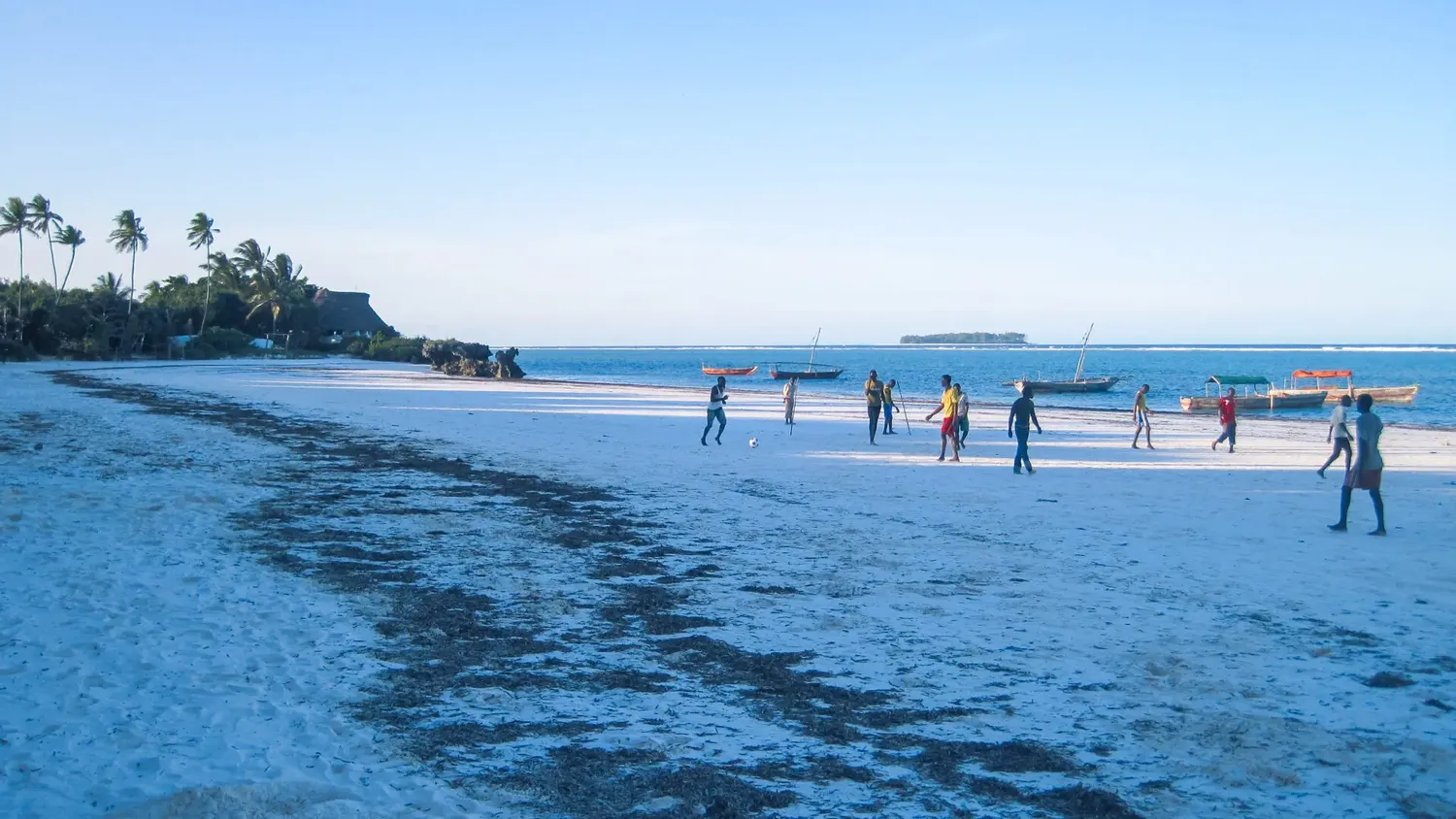
Planning a successful Zanzibar beach holiday requires a clear understanding of the archipelago’s distinct tropical weather patterns. Sitting just south of the equator in the Indian Ocean, Zanzibar experiences alternating cycles of dry sunshine and heavy monsoonal downpours. Booking your trip without checking the calendar could mean trading pristine turquoise coastlines for relentless humidity and shuttered resorts. This practical guide breaks down exactly how to sync your vacation itinerary with local seasonal shifts for the ultimate tropical getaway.
Understanding Zanzibar's Four Main Weather Seasons
Zanzibar does not follow the traditional winter, spring, summer, and autumn transitions. Instead, its maritime tropical climate is dictated by the Kusi and Kaskazi monsoon trade winds, dividing the calendar year into four very distinct meteorological windows. Each window creates completely unique conditions on the water and along the shores.
1. The Long Dry Season (June to October)
This is widely considered the peak window for an idyllic Zanzibar beach holiday. During these months, rainfall is exceptionally rare, and daytime temperatures hover comfortably around 25°C to 28°C. Clear blue skies offer maximum underwater visibility, making it the perfect timeframe for marine adventures. If you plan to organize a budget boat trip to Prison Island from Stone Town, Zanzibar, the calm seas of the long dry season ensure safe, smooth boat transfers and incredible snorkeling conditions near the historic giant tortoise sanctuary.
The air humidity remains low throughout this period, meaning nights are pleasantly cool. It is the absolute busiest time for international arrivals, so booking accommodations at least six months in advance is essential to guarantee your spot on the sand.
2. The Short Rainy Season (November to December)
Known locally as the "Vuli" rains, this period brings brief, sporadic cloudbursts, typically occurring in the late afternoon or overnight. The showers rarely ruin an entire day of exploration, as the equatorial sun emerges quickly to dry the shores. Temperatures begin rising toward 30°C, and humidity increases progressively.
This shoulder season offers excellent value, as luxury beachfront villas often slash accommodation rates before the festive winter rush begins. It is an ideal window for travelers who do not mind occasional tropical raindrops in exchange for quiet beaches and uncrowded historical landmarks.
3. The Short Dry Season (January to February)
If you love high heat and intense sunshine, this mini dry spell is your optimal travel window. Temperatures regularly spike above 32°C, creating hot, sultry days balanced by cooling evening ocean breezes. The sea becomes exceptionally warm, mimicking a thermal bath. It serves as a prime window for coastal relaxation and beach hopping along the northern peninsulas, where deep waters shield swimmers from dramatic tidal changes.
The clarity of the water during these two months attracts scuba diving enthusiasts from around the world to the Mnemba Atoll reef structures, where marine life gathers in massive numbers due to excellent plankton availability.
4. The Long Rainy Season (March to May)
The "Masika" monsoons arrive with intense, heavy downpours that can last for consecutive days. Humidity levels peak near 90%, and coastal winds pick up dramatically across all shorelines. Many boutique hotels and remote eco-lodges close down completely for annual maintenance during April and May. While budget travelers might be tempted by rock-bottom flight prices, beach activities are severely restricted, and unpaved secondary roads across the island can turn muddy and impassable.
Zanzibar Monthly Climate Data Metrics
To maximize your sun hours and avoid unexpected disruptions, analyze this concise summary of key historical weather metrics collected across the main island of Unguja.
| Months | Avg Temp | Rain Risk | Best For |
|---|---|---|---|
| Jan - Feb | 32°C | Low | Diving & Swimming |
| Mar - May | 29°C | Very High | Budget Stone Town Tours |
| Jun - Oct | 26°C | Very Low | Peak Beach Holiday |
| Nov - Dec | 30°C | Moderate | Shoulder Discounts |
Matching Your Activities to Regional Winds and Tides
Zanzibar's beaches are highly dynamic, and the impact of the seasons varies significantly depending on which coast you select for your home base. East Coast destinations like Matte, Paje, and Jambiani feature vast coral reefs that create wide, shallow lagoons. These areas are heavily impacted by daily six-hour tidal cycles; during low tide, the ocean retreats up to a kilometer, exposing fascinating rock pools but preventing standard swimming.
However, from June to August, the strong Kusi winds blow consistently from the south-east, transforming Paje into a world-class hotspot for kitesurfing professionals and active water sports enthusiasts. If you prefer long, uninterrupted swims without tracking tide charts, the northern beaches such as Nungwi and Kendwa experience minimal tidal movement. These bays face west and north, providing natural protection from harsh seasonal winds and showcasing magnificent tropical sunsets over the water year-round.
Expanding Your Itinerary Across East Africa
Most travelers do not experience the islands in complete isolation. Because of Zanzibar's proximity to mainland Tanzania, coordinating beach timelines with bush safaris creates a flawless multi-destination itinerary. For instance, the cool, dry winter months of July and August align perfectly with peak wildlife viewing conditions across the northern safari circuit. After spending a week exploring remote wilderness paths, a quick domestic flight brings you straight to the spice islands to unwind.
Travelers seeking an ultra-premium experience can learn how to book top-tier luxury safari lodges in the Serengeti step-by-step to secure high-end accommodation before finishing their trip on Zanzibar's exclusive private islets. For adventure seekers heading south into the ancient rainforests, discovering how to trek Sanje Waterfalls in Udzungwa Mountains National Park provides a rugged contrast to the white-sand beaches.
Furthermore, if your budget permits an aerial view of the plains, learning how to book a Serengeti hot air balloon safari at the best price adds a magnificent chapter to your mainland expedition before you dip your toes in the warm Indian Ocean. Wildlife enthusiasts can also explore how to find specialized bird watching tours in Tanzanian national parks to witness migratory species that arrive during the minor rainy periods when landscapes are lush and green.
Trending Africa Guides
Cultural Events & Festivals Linked to Weather Shifts
Zanzibar's event calendar runs hand-in-hand with its climate cycles. The dry, cool months of high summer facilitate large open-air gatherings that attract global audiences. In July, the Zanzibar International Film Festival (ZIFF) takes place inside the historic monuments of Stone Town, utilizing the guaranteed dry nights for outdoor amphitheater screenings. Similarly, the famous Mwaka Kogwa festival occurs in late July in the southern village of Makunduchi, celebrating the Shiraz New Year with traditional playful fighting rituals when the weather is cool and pleasant for land travel.
During the brief dry spell of February, Stone Town hosts Sauti za Busara, one of Africa's premier live music festivals. This event benefits from the high heat of the short dry season, allowing music lovers to enjoy late-night outdoor concerts under clear tropical skies, refreshed by late-night ocean currents coming from the mainland channels.
Microclimates and Island Anomalies You Must Know
An insider secret to planning your days involves understanding the distinct microclimates between the sister islands of Unguja and Pemba. Pemba Island, located slightly further north, receives significantly more rainfall annually than Unguja due to its hilly topography and dense forest cover. Even during the short dry season, Pemba can experience flash rain showers that clear within minutes but completely lower the immediate afternoon heat index.
Additionally, Stone Town behaves differently than the rural beach districts. The narrow coral-stone alleys absorb intense heat during the day and release it slowly at night, making the urban center feel roughly 3°C warmer than the coastal villages where ocean breezes provide constant circulation. When planning your transition from urban history tours to coastal beach relaxation, schedule your historical walking tours during the early morning hours of 08:00 AM to avoid the heavy midday heat traps.
Strategic Packing Checklist by Season
Your luggage contents should adjust according to the month of your arrival. Use this target framework to prepare:
- Dry Seasons (Jan-Feb, Jun-Oct): Pack high-UV mineral sunscreen, polarized sunglasses to combat ocean glare, lightweight linen clothing, and specialized reef shoes to safely navigate coral shallows during low tide cycles.
- Rainy Seasons (Mar-May, Nov-Dec): Pack a packable, breathable waterproof windbreaker, quick-dry travel apparel, premium insect repellent featuring a high concentration of DEET, and heavy-duty dry bags to shield electronic gear during sudden coastal downpours.
- Year-Round Cultural Respect: Because Zanzibar is a culturally conservative, predominantly Islamic archipelago, travelers must pack modest clothing (covering shoulders and knees) for walking through the historic stone alleyways of Stone Town. Keep beachwear strictly confined to the immediate resort property lines.
Frequently Asked Questions
What is the absolute worst month to visit Zanzibar?
April is widely considered the least favorable month for a beach holiday. It marks the absolute peak of the long monsoonal rains, which cause high humidity, frequent power disruptions, and widespread resort closures along the east and south coasts.
Can I see whales or dolphins during my beach stay?
Yes. Humpback whales migrate through the deep marine channels between July and September, offering excellent viewing opportunities. Dolphins populate the southern waters near Kizimkazi year-round, though viewing them requires calm morning waters free of heavy seasonal swells.
Does the rainy season alter scuba diving visibility?
Significantly. Heavy downpours from March to May create land-based river runoff that cloud coastal waters, reducing visibility beneath 10 meters. For pristine 30-meter visibility, book your dives during the calm transition periods of November or January.
Scientific & Meteorological References
To ensure maximum factual precision, this seasonal architectural plan cross-references oceanographic and weather data supplied by international regulatory bodies. You can review official regional rainfall charts and monsoon tracking analytics directly via the Tanzania Meteorological Authority (TMA) portal, which updates climate indices for coastal islands monthly.