





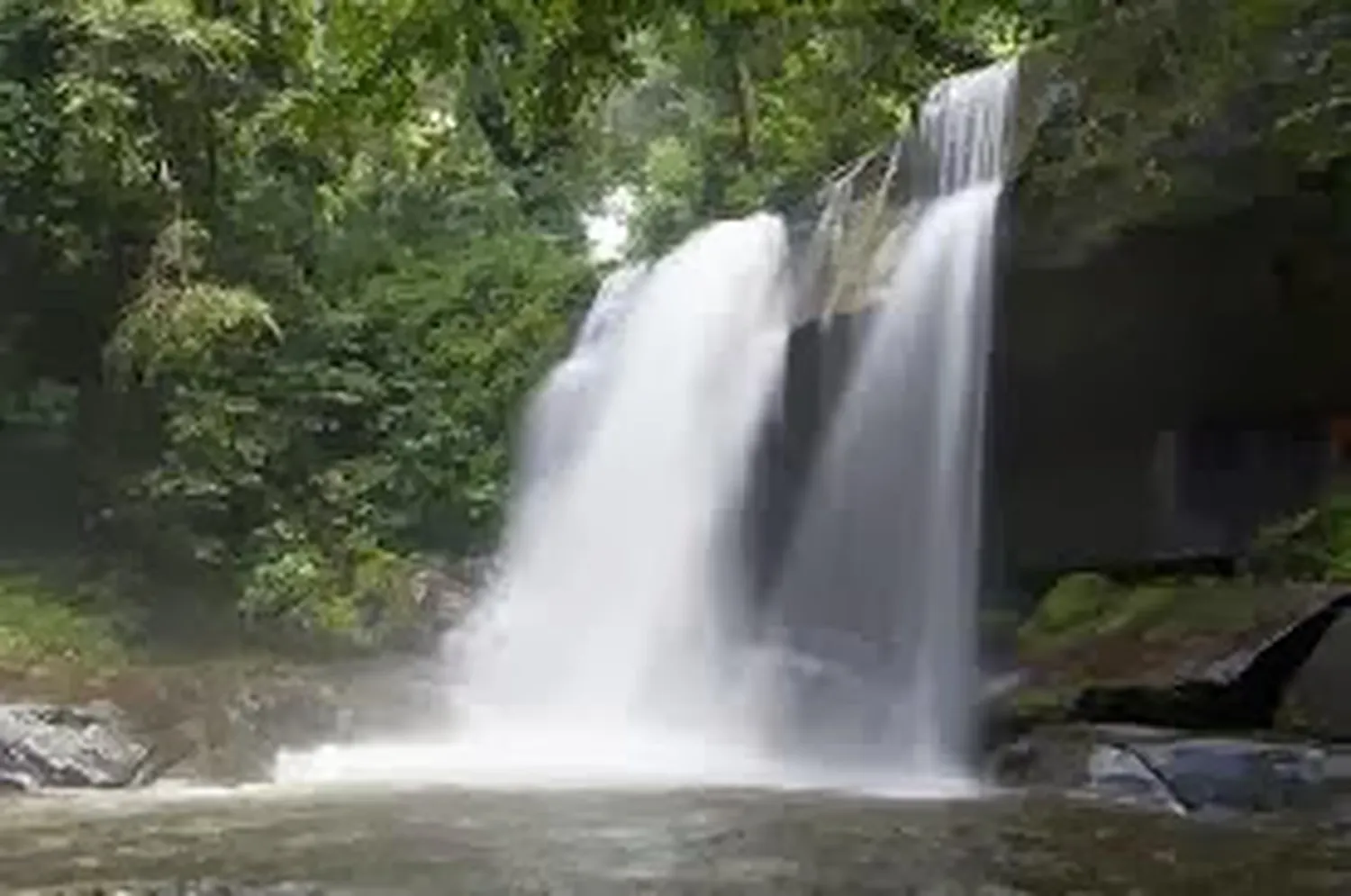
Mastering how to trek Sanje Waterfalls unlocks access to one of East Africa's most breathtaking ecological treasures. Tucked away in the ancient rainforests of the Udzungwa Mountains National Park, the Sanje trail plunges a dramatic 170 meters through a multi-tiered drop system. Unlike traditional savannah game drives found elsewhere in Tanzania, navigating this montane forest requires specialized preparation, physical endurance, and compliance with the Tanzania National Parks Authority regulations.
1. Sanje Trail Overview & Key Stats
The Udzungwa Mountains form part of the ancient Eastern Arc chain, often called the "Galapagos of Africa" due to intense biological isolation. Knowing how to trek Sanje Waterfalls systematically means preparing for a steep elevation surge across lush, slippery paths enclosed under close rainforest canopies.
The primary trail spans a distance of roughly 5 kilometers round trip. Hikers face an immediate vertical ascent from the valley floor up to the crest of the highest waterfall tier. Below are the specific field measurements for planning your day hike:
| Metric Category | Trail Data Value |
|---|---|
| Total Drop Height | 170 Meters (3 distinct stages) |
| Average Trek Duration | 4 to 5 Hours (Round trip) |
| Trail Terrain Type | Montane soil, root systems, stone steps |
| Difficulty Classification | Moderate (Steep climb gradients) |
2. Permit Logistics and Budget Breakdown
You cannot hike independently within Udzungwa. To secure proper legal clearance, travelers must visit the official Tanzania National Parks Authority (TANAPA) booking portal or handle payments directly at the park headquarters located in Mang'ula town. Cash is rejected at the gate; all transactions require international credit cards, debit cards, or local government control numbers.
The total financial allocation per traveler consists of standard statutory conservation fees combined with independent crew salaries. While planning your excursion budget, keep in mind that combining regional targets allows you to experience other highlights nearby, such as taking a dedicated bird watching tour in Tanzanian national parks to witness unique species native to these mountain slopes.
- Non-Resident Adult Permit: $35 USD per individual day pass (excludes 18% statutory VAT).
- Mandatory Park Guide Fee: $20 to $30 USD per group distributed directly to local certified guides.
- Vehicle Entry Surcharge: $40 USD for locally registered safari vehicles entering trailhead points.
- Tanzanian Citizen Entry Fee: 10,000 TZS per adult with valid national identification documents.
3. Step-by-Step Hiking Instructions
Executing the trek successfully demands close adherence to trail timing milestones to avoid descending through the dense forest canopy after nightfall.
- Complete Morning Clearance: Arrive at the Mang'ula Park Office by 08:00 AM. Finalize permit printing and link up with your assigned armed ranger or regional park guide.
- Transit to Sanje Trailhead: Move 10 kilometers north from the main gate to the designated Sanje village path entrance where the foot trail officially breaks away from the plain.
- Pace the Initial Crest Climb: The first 1.5 hours present the most aggressive incline. Pace your steps over exposed tropical tree roots and wet rock masonry paths. Drink water consistently to combat high interior forest humidity.
- Explore the Middle Tier Plunge Pool: Upon reaching the second major drop tier, access the deep natural swimming pool. The water here stays cold throughout the seasons, offering a great spot to swim safely directly beneath the spray.
- Summit to the High Escarpment Viewpoint: Push onward to the absolute top of the falls. This vantage point provides panoramic views over the vast Kilombero sugarcane plains stretching toward the horizon.
- Begin Managed Counter-Descent: Use alternative loop paths if advised by your guide to check out different view angles. Watch your footing closely, as afternoon rain can instantly slick the steep downward paths.
4. Detailed Trail Dynamics and Vertical Tiers
To fully understand how to trek Sanje Waterfalls, you must visualize its unique physical setup. The Sanje system is broken down into three distinct tiers, each presenting a completely different setting for resting and shooting photographs:
The Top Tier (The Crest Elevation)
Located at the peak of the climb, this section marks where the mountain stream rushes over the sheer cliff edge. The mist is lighter here, and the open canopy gives you clear, sweeping views of the entire valley below. It is the perfect place to pause for a packed lunch before starting your return trek.
The Middle Tier (The Main Swimmable Pool)
This is the most famous part of the hike. The water drops into a massive natural bowl surrounded by steep, mossy rock faces and dangling jungle vines. The natural plunge pool is safe for swimming, though the water temperature stays quite crisp due to the mountain elevation. The constant spray creates a strong, refreshing breeze through the forest gap.
The Bottom Tier (The Base Canopy)
The lowest tier is where the water meets the valley floor, feeding back into the streams that run toward the Kilombero River. This section features dense, humid forest cover, damp wooden footbridges, and thick mud paths, making it a great area for spotting rare frogs, butterflies, and forest birds.
5. Endemic Primate & Avian Wildlife
Trekking the Sanje trail provides unparalleled opportunities for canopy wildlife observation. Because Udzungwa lacks heavy predators like lions or hyenas, primate populations have diversified dramatically across the mountain slopes.
Keep your binoculars ready to spot the rare Sanje Crested Mangabey (Cercocebus sanjei), an endangered primate discovered by scientists only in 1979 that lives exclusively along these forest blocks. You will also frequently spot large troops of Iringa Red Colobus monkeys jumping between branches high up in the trees.
For bird enthusiasts, the forest sounds are shaped by rare endemic birds like the Udzungwa Forest Partridge and the Rufous-winged Sunbird.
6. Specialized Gear Checklist
Standard beachwear or basic flat trainers will fail on the steep, wet slopes of the Eastern Arc mountains. To ensure personal safety and comfort, check off these vital gear items before leaving your lodge:
- Deep-Lug Hiking Boots: Waterproof or fast-drying footwear featuring aggressive rubber tread patterns for grip on mud.
- Insect Repellent (High DEET): Essential for protecting against dense mosquito swarms and tsetse flies found along lower valley thickets.
- Dry Bag Shell: A lightweight waterproof backpack cover to safeguard cameras and electronics from sudden rain showers and waterfall spray.
- Quick-Dry Swim Garments: Lightweight apparel for swimming in the plunge pools without carrying heavy, waterlogged fabric back down the trail.
7. Explore More Tanzania Travel Guides
Expand your Tanzanian itinerary with our field-verified navigation manuals covering mainland safaris and coastal excursions:
Tanzania Safari Guides
How to Book a Serengeti Hot Air Balloon Safari at the Best Price
Maximize your safari budget over the endless Serengeti plains.
Read MoreHow to Book Top-Tier Luxury Safari Lodges in the Serengeti Step-by-Step
An elite booking manual mapping high-end bush camps to migration tracking.
Read MoreHow to Find Specialized Bird Watching Tours in Tanzanian National Parks
Locate expert avian trackers across Manyara, Tarangire, and Udzungwa.
Read MoreZanzibar Island Guides
How to Organize a Budget Boat Trip to Prison Island from Stone Town
Bypass expensive agency markups by negotiating directly with local captains.
Read MoreHow to Plan a Zanzibar Beach Holiday Around Seasonal Weather Changes
Navigate equatorial wet and dry seasons to secure optimal diving conditions.
Read More8. Frequently Asked Questions
What is the best month of the year to trek Sanje Waterfalls?
The optimal window runs from June to October during the primary dry season. Trails remain firm, stream crossings are highly manageable, and primate spotting improves as clear weather opens up the canopy layers.
Is an armed ranger required for the Sanje trek?
Yes, TANAPA requires an official guide or armed ranger for all hikes inside the park borders. This rule ensures trail safety, historical context sharing, and strict adherence to environmental preservation codes.
Can children safely join the Sanje Waterfalls hike?
The trail is recommended for active individuals aged 12 and above due to steep rock scrambles and high humidity levels. Younger children can instead enjoy the easier Prince Bernhard trail located near the main park entrance.
Conclusion: Prepare Correctly for an Unforgettable Trek
Knowing how to trek Sanje Waterfalls safely converts a challenging mountain ascent into an incredible wilderness highlight. By securing your official TANAPA permits early, packing specialized rugged footwear, and pacing your climb through the changing elevation zones, you can experience one of the most untouched and diverse natural ecosystems in Africa. Prepare your gear thoroughly and respect the local conservation guidelines to make the most of this ancient mountain trail.