





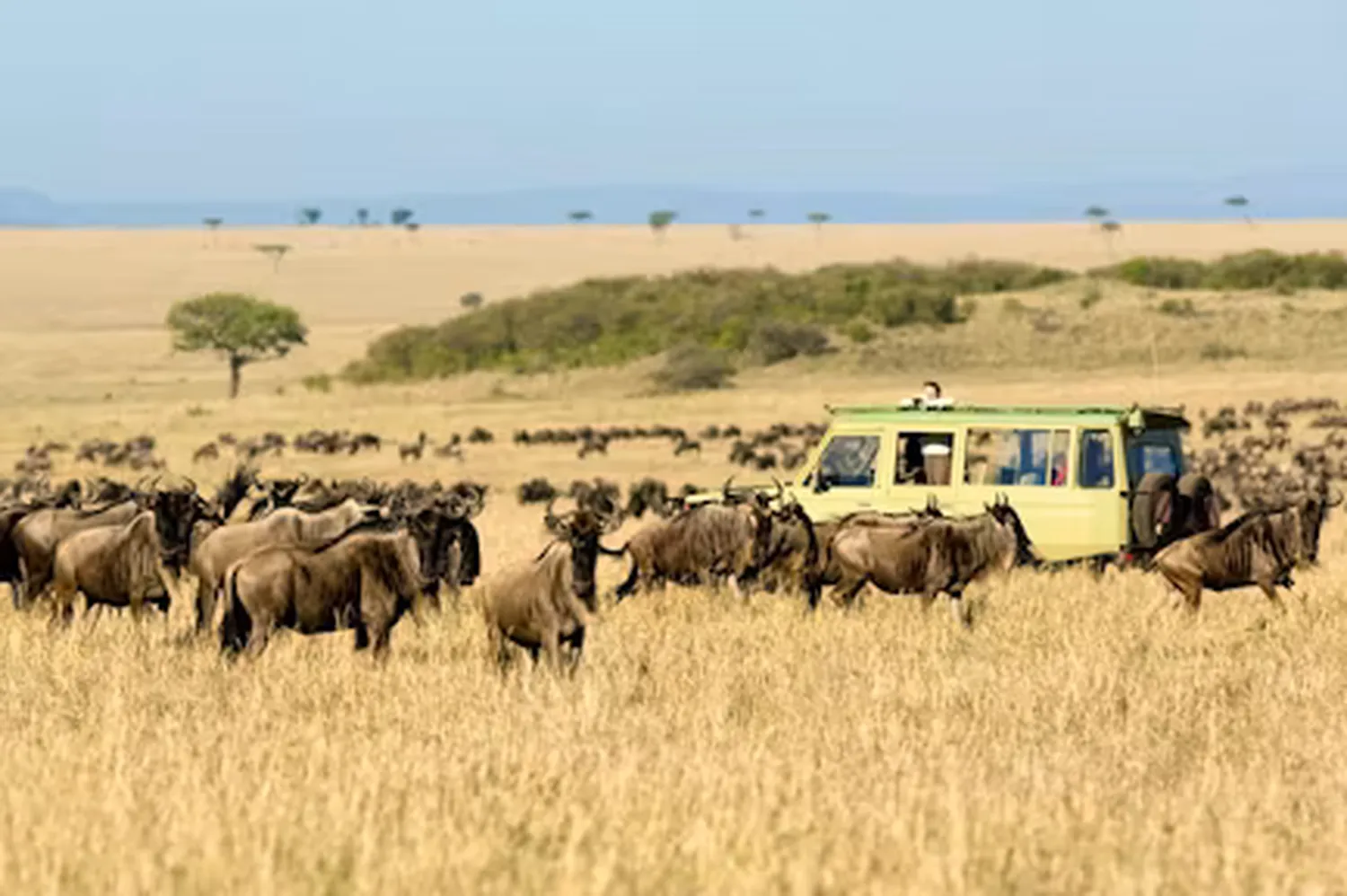
Introduction: The Greatest Natural Show on Earth
Witnessing hundreds of thousands of wildebeests and zebras plunging into the turbulent, crocodile-infested waters of the Mara River is arguably the ultimate safari experience. However, nature does not operate on a human timetable. A successful migration safari is not a matter of luck; it is a product of meticulous strategic preparation. Knowing exactly how to plan 6 days around Mara River activity can make the difference between capturing award-winning photographs or spending valuable hours gazing at empty dust trails.
In this exhaustive guide, we break down how to design an optimized 6-day itinerary, decode the secret dynamics of key river crossing points, manage safari logistics, and avoid common planning mistakes. Whether you are a solo traveler, a professional wildlife photographer, or arranging a premium family getaway, this blueprint will maximize your chances of witnessing the legendary crossings of the Great Wildebeest Migration.
To ensure your safari runs smoothly with a trusted local team, check out our expert resource:
Read More: Verifying Safari Licenses1. Why Exactly 6 Days is the Perfect Window
Many travelers make the mistake of booking a short 2-day or 3-day trip to the northern region of Serengeti (Kogatende) expecting instant action. In reality, the migration is incredibly unpredictable. Herds can stand on a riverbank for hours, or even days, building up the courage to cross, only to turn back at the last minute because of a shadow, a bird flying overhead, or the sound of an approaching vehicle.
When planning a safari around this natural phenomenon, you are operating on "nature's clock," which does not respect human itineraries or flight schedules. A 6-day window is widely considered by professional guides and wildlife photographers as the absolute "sweet spot" or statistical cushion. It allows you to dedicate 3 to 4 full days purely to tracking riverbanks without feeling rushed or stressed by the passing hours.
The Statistical Reality of River Crossings
On any given day during the peak season (July to October), the probability of witnessing a major crossing fluctuates based on localized weather, predator pressure, and herd density. Here is why a shorter trip often leads to disappointment:
- The 48-Hour Waiting Game: Wildebeests can congregate in tens of thousands on the edge of a cliff, completely motionless, for up to two days before a single brave individual makes the first leap.
- False Starts (The "Panic" Factor): A single false alarm—such as a crocodile shifting in the water or a safari vehicle starting its engine too early—can cause a massive herd of 50,000 animals to retreat into the bush, delaying the crossing by another 24 hours.
- Weather Variations: Sudden rain showers miles away can change the river's water level and current speed, shifting the animals' preferred crossing points instantly.
Why Patience is Your Ultimate Safari Weapon
In the Serengeti, patience is rewarded with spectacles that words can barely describe. With a 6-day itinerary, you do not have the pressure of "needing" to see a crossing on day one. If Day 1 and Day 2 yield quiet waters, you can relax, enjoy the surrounding resident wildlife, and let your guide study the movement patterns of the herds. By Day 3 or Day 4, your patience is highly likely to pay off as herd pressure reaches its boiling point and they are forced by hunger and instinct to cross the Mara River.
Furthermore, this timeline balances patience with action, ensuring that even if day one or two yields quiet waters, you still have multiple chances to witness massive, dramatic crossings. It also gives you ample time to explore both sides of the Mara River, including the beautiful and exclusive Lamai Wedge, which is often skipped by tourists on shorter packages due to lack of travel time.
2. The 6-Day Master Itinerary Breakdown
Here is an optimized day-by-day layout designed by safari experts to keep transit times low and game-viewing hours exceptionally high.
Day 1: Arrival in Kogatende & Introductory Game Drive
To avoid spending two full days driving on rough dirt roads from Arusha, book a domestic bush flight directly to Kogatende Airstrip. Arriving around midday allows you to check into your camp, enjoy a fresh lunch, and head out for an afternoon game drive. This initial drive is vital for your guide to scan the horizons, coordinate with other guides, and map out where the largest herds are currently congregating.
Day 2 & 3: High-Intensity Crossing Patrols
These two days are dedicated entirely to the riverbanks. You will leave camp at sunrise with packed picnic breakfasts and lunches. Your driver-guide will position the vehicle at key vantage points overlooking high-traffic crossing zones. Prepare for long periods of waiting, reading, or observing birdlife. The reward is unmatched: the moment one wildebeest leaps, thousands follow in a chaotic, dust-filled dash across the waters.
Read More: Customizing Luxury Migration SafarisDay 4: Crossing to the Lamai Wedge
The Lamai Wedge is a triangular slice of land situated between the Mara River and the Kenyan border. Because it requires crossing the river via a bridge or designated safe zones, it sees far fewer vehicles than the southern bank. Spend Day 4 exploring this pristine savannah. It is an excellent place to see the aftermath of the crossings—exhausted herds resting, lion prides capitalizing on the abundant prey, and stunning panoramic landscapes.
Day 5: Predator Tracking & Savannah Exploration
While the river crossings are the main event, the Northern Serengeti is also home to an incredibly high concentration of apex predators. Use Day 5 to track prides of lions, solitary leopards hiding in the riverine trees, and packs of spotted hyenas. If you wish to extend your holiday to include other world-renowned ecosystems like the Ngorongoro Crater, read our guide below:
Read More: Serengeti & Ngorongoro ItinerariesDay 6: Early Morning Drive & Flight Departure
Catch the soft, golden light of your final African sunrise. After a brief morning game drive to bid farewell to the wilderness, your guide will drop you off at Kogatende Airstrip for your flight back to Arusha or your next destination.
3. Decoding the Mara River Crossing Points (1 to 10)
The river stretches across the border, presenting numerous entry points where wildebeests historically gather. Knowing these points helps you understand why your guide chooses specific locations during the day.
| Crossing Point | Geographic Description | Strategic Advantage for Travelers |
|---|---|---|
| Points 1, 2 & 3 | Located close to the main Kogatende area. Rocky, steep banks with rapid currents. | Highly dramatic crossings. Excellent vantage points for photography, but can be crowded with vehicles. |
| Point 4 | A wider, flatter sandy bank area with shallow sandbars. | Highly preferred by zebra herds due to easier exits. Perfect for watching crocodiles stalk prey in shallow water. |
| Point 7 & 8 | Further downstream towards the western boundary. Heavy mud and deep pools. | Extremely wild, secluded, and less visited. Offers a peaceful, intimate viewing experience. |
| Lamai Crossing | Northern banks of the river inside the exclusive Lamai triangle. | High crocodile concentrations. Perfect for capturing sweeping shots of the Serengeti-Mara ecosystem. |
4. Understanding Wildebeest Psychology & River Dynamics
Wildebeests are herd animals driven by a powerful collective instinct. However, they are notoriously anxious. When approaching the river, they gather in giant, swirling masses called "forests of horns." They will walk down to the water, sniff it, scan the opposite bank for predators, and then suddenly run back up the bank in panic.
As a traveler, the key to enjoying this spectacle is silence and patience. Respectful safari vehicles keep a healthy distance back from the bank until the crossing actually begins. If a vehicle approaches too closely too early, it can spook the lead wildebeest, causing the entire herd to abandon the crossing point for the rest of the day.
5. Essential Safari Logistics & Gear Requirements
To successfully execute a 6-day northern safari, your preparation needs to be flawless. Consider these crucial factors before booking:
- The Best Season: The peak window for the Mara River crossing is generally from **mid-July to October**. August and September are historically the most reliable months. Learn more on timing via our guide below:
- Camera Equipment: Bring a telephoto zoom lens (minimum 300mm to 400mm) to capture action shots across the river, as well as a sturdy beanbag to rest your camera on the safari vehicle's roof hatch.
- Clothing: Dress in layers. Northern Serengeti can be chilly at dawn but gets hot and dusty under the midday sun. Neutral safari tones (khaki, beige, olive green) are recommended.
6. Curated Travel Guides & Recommendations: Your Planning Toolkit
Designing a wilderness expedition to witness the historic wildebeest crossings is not just about choosing dates; it requires making informed logistical partnerships. Operating in the remote Northern Serengeti sector—miles away from major mechanical workshops and medical facilities—requires seasoned, highly experienced field guides and mechanically sound custom-built 4x4 vehicles. To safeguard your investment, we have compiled an elite registry of planning resources to guide you through the process of selecting registered providers, analyzing cost structures, and vetting local guides.
Selecting Arusha & Moshi Operators
Choosing a local Tanzanian operator based in Moshi or Arusha is the most authentic way to secure experienced tracking guides who live and work in these ecosystems year-round.
Local guides possess real-time regional networks, allowing them to coordinate daily sightings with other drivers via VHF radio. This maximizes your chances of positioning your 4x4 cruiser at the exact crossing point before the crowds arrive.
Local vs. International Price Auditing
Many international agencies act merely as middlemen, adding a markup of 30% to 50% on top of local operating costs before sub-contracting your trip to local Tanzanian ground crews.
Our in-depth comparison guide breaks down the structural differences between international luxury markups and direct local booking fees, ensuring you preserve your hard-earned budget while demanding 5-star service standards.
Critical Warning: Avoid Unlicensed Operators
Every year, hundreds of tourists fall victim to unlicensed tour brokers operating without official TALA licenses. Booking with an unregistered company means your park permits may not be paid, leaving you stranded at the Serengeti entry gates without recourse or legal protection.
Ensure your selected operator holds active government licenses and is a registered member of respected industry associations like TATO (Tanzania Association of Tour Operators).
Read More: Step-by-Step Licensing VerifierMaximizing Ethical Tourism Practices
When you utilize our curated resources to book directly with local Tanzanian partners, you contribute directly to the sustainable growth of the regional economy. Local operators employ local drivers, camp staff, and chefs, ensuring that your travel capital directly supports biodiversity preservation and community upliftment around the Serengeti National Park boundaries. An ethically compensated guide is a motivated companion, dedicated to keeping you safe, respecting the wildlife, and sharing the hidden wonders of East Africa throughout your 6-day journey.
7. Frequently Asked Questions (FAQs)
What is the absolute best time of day to see a Mara River crossing?
Most crossings occur between 10:00 AM and 3:00 PM. This is when the sun is highest, the temperatures rise, and the herds are motivated to cross in search of fresh pasture on the opposite side.
Is a 6-day stay around the Mara River too long?
Absolutely not. Because crossings are unpredictable, a shorter stay of 2 or 3 days might result in missing the crossings completely. A 6-day itinerary ensures ample time for tracking, patience, and visiting surrounding wildlife spots like the Lamai Wedge.
Do I need to book my flights into Kogatende in advance?
Yes. Light aircraft flights to Kogatende are in high demand between July and October. It is highly recommended to book your bush flights at least 6 to 9 months in advance alongside your mobile tented camp reservations.
Final Thoughts
Planning a safari to see the Mara River crossing is an investment in one of the most magnificent wildlife memories you will ever possess. By spending six full days, securing a licensed local operator, and packing your patience, you set yourself up for absolute success. Safe travels as you journey into the heart of the Serengeti!