





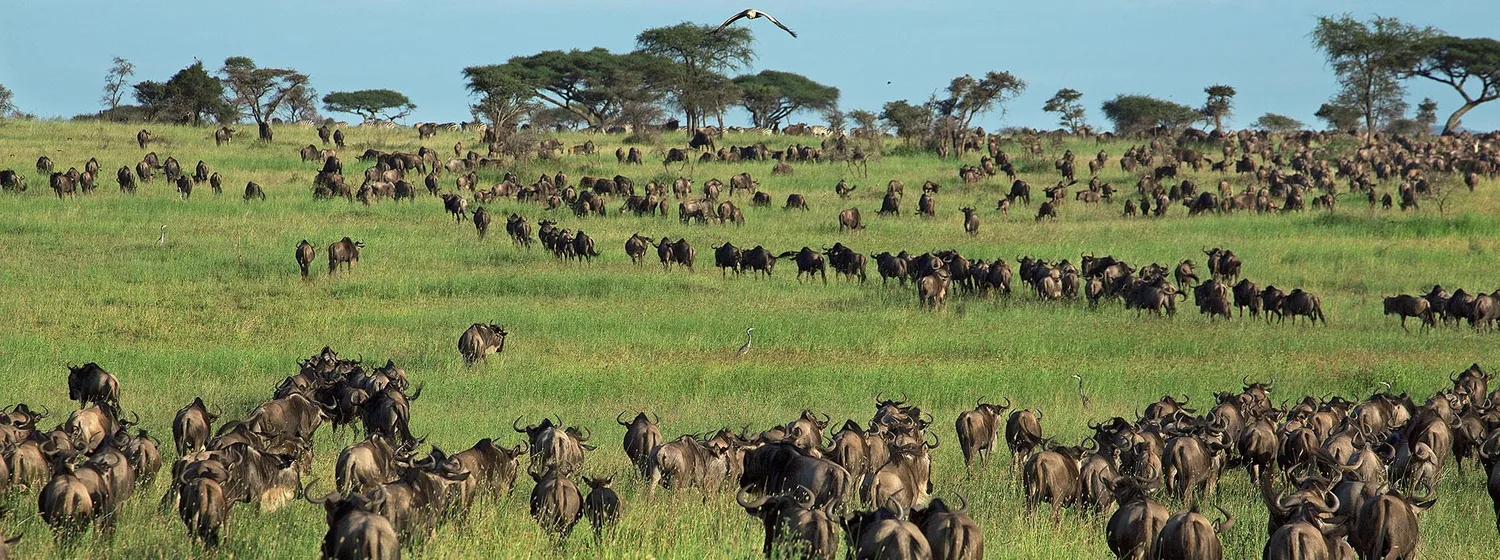
Planning an expedition to witness the Great Wildebeest Migration is an exhilarating venture, yet many travelers find themselves deeply perplexed by the wild disparities in safari pricing. How is it that one tour operator quotes $1,800 for a 6-day package, while another demands upwards of $8,500 per person for what appears to be the same geographic loop? The secret lies in dissecting the hidden mechanics of East African safari planning.
To help you navigate this complex financial landscape, we have engineered this master guide. You will learn exactly how to determine the cost of a 6 day migration safari by isolating fixed park tariffs, analyzing vehicular wear-and-tear and fuel logistics, comparing high-end mobile camps with permanent brick-and-mortar lodges, and identifying when middleman travel agencies are quietly padding their margins. Armed with this knowledge, you will transform from a confused lead into an empowered negotiator, ready to experience the greatest wildlife show on Earth at a fair, fully audited price.
1. Core Operational Cost Drivers: The Non-Negotiables
Every single legitimate safari operator—whether an established local outfitter based in Arusha or an ultra-exclusive luxury agency in London—faces the exact same baseline costs. Understanding these baseline numbers is the single most powerful defense you have against choosing unsafe, cut-rate operators who put your safety at risk by cutting corners on essential services.
To truly understand how safari pricing is calculated, you must first realize that a migration safari is a complex logistical operation. It is not simply a matter of renting a car and driving into the wilderness. Instead, it involves coordinating high-stakes conservation payments, specialized off-road mechanical support, expert field guiding, and remote wilderness supply chains. When you look at your safari quote, more than 50% of the total cost is often composed of completely fixed, non-negotiable fees that go directly to government bodies and vehicle maintenance. Let’s break these core components down in deep, comprehensive detail so you know exactly where every dollar of your investment goes.
Why Do Safari Prices Vary So Much Between Operators?
While park fees are fixed, operators differ in how they manage vehicle maintenance, guide salaries, and emergency safety protocols. A cheaper operator may save money by using older tires, hiring unlicensed guides, or skipping mandatory emergency medical evacuation insurance. Investing in a reputable company ensures your money goes toward safety, legal operations, and fair wages.
A. National Conservation Fees and Park Tariffs (The Unyielding Pillars)
The largest chunk of your non-negotiable budget goes directly to government wildlife authorities, such as the Tanzania National Parks Authority (TANAPA) or the Kenya Wildlife Service (KWS). These entities use these funds to finance anti-poaching units, manage park boundaries, maintain remote bush tracks, and support local community development projects around the conservation areas.
For a 6-day migration safari in Tanzania, these fees are highly structured and strictly monitored:
- Serengeti National Park Entry Fees: Currently set at $82.60 USD per adult per 24 hours (including 18% VAT) during the high/peak season. Over a 6-day itinerary, this component alone contributes nearly $400 to $500 per person to your base cost.
- Lodge and Camp Concession Fees: If you stay inside the national park boundaries (whether in a luxury permanent lodge or a mobile tented camp), the park authority levies an additional Concession Fee ranging from $59 to $70.80 USD per person per night. This is a crucial hidden fee that many budget-focused travelers overlook.
- Ngorongoro Crater Descent Fee: To take your vehicle down into the world-famous Ngorongoro Crater for a single game drive, the tour operator must pay a flat $295 USD Crater Descent Fee per vehicle per trip. This is in addition to the standard individual conservation entry fee of $70.80 USD per adult.
- Value Added Tax (VAT) and Local Levies: In East Africa, tourism services are subject to an 18% VAT. This applies to park entry fees, vehicle rentals, and guide salaries, and must be clearly integrated into your final quote.
B. The Wheels of the Wilderness: Customized 4x4 Safari Land Cruisers
The roads in East Africa's national parks are rugged, unpaved, and highly demanding. Corrugated washboards, deep sand, and thick mud during the rainy season require heavy-duty, customized vehicles. The industry standard is the modified 4x4 Toyota Land Cruiser (70 Series), which undergoes extensive customization to handle the elements:
- Heavy-Duty Customizations: These vehicles are lengthened, fitted with heavy-duty suspension systems, equipped with pop-up roofs for 360-degree wildlife viewing, and loaded with dual fuel tanks, dual spare tires, high-frequency radio networks, and built-in mini-refrigerators to keep water cold in the bush.
- Daily Operational & Depreciation Math: A professional, fully licensed 4x4 safari cruiser costs between $250 and $350 USD per day to run. This covers specialized off-road tires (which wear down quickly on rocky tracks), regular engine servicing, and high commercial insurance premiums required by law.
- The Fuel Premium: Navigating rugged terrain in low gears, running the air conditioning, and driving extensive daily distances to track the fast-moving wildebeest herds burns through fuel rapidly. In remote bush hubs, fuel must be trucked in over long distances, making it highly expensive.
Because vehicle rental is a flat daily cost, booking a private safari means you bear this expense entirely. Traveling in a group of four or six allows you to share this vehicle cost, significantly reducing the price per person.
C. Professional Guiding and Crew Logistics
Your safari guide is the single most important factor in the success of your trip. A top-tier guide acts as your navigator, wildlife spotter, driver, cultural ambassador, and safety officer. Becoming a professional guide requires years of study, including certifications in animal behavior, ecology, first aid, and vehicle mechanics.
To retain talented, experienced guides who can find the migration herds and keep you safe, reputable operators pay fair, professional wages. Beyond wages, operators must also cover the guide's daily meals and accommodation fees at specialized crew lodges located inside the national parks. When you see an unusually cheap safari quote, it often means the operator is underpaying their crew or relying on unlicensed, inexperienced guides.
A Note on Tipping: Keep in mind that tipping your guide and camp crew is traditional in the safari industry and is almost never included in your official quote. It is recommended to budget roughly $15 to $25 USD per day for your guide and $10 USD per day for general lodge staff.
National Conservation Fees and Park Tariffs (The Unyielding Baseline)
When analyzing a safari quote, the first absolute rule of thumb is that conservation fees are completely fixed and legally non-negotiable. Whether you book a basic budget camping trip or an ultra-exclusive $5,000-a-night fly-in package, every human being stepping foot into these protected areas must pay the exact same government-mandated tariffs.
These tariffs are designed as a high-value, low-density conservation model. Instead of flooding national parks with millions of budget tourists—which would destroy fragile ecosystems, disrupt animal migratory corridors, and lead to massive vehicle congestion—governments in East Africa charge premium entry fees. These fees directly fund critical conservation initiatives. Your money goes directly toward paying anti-poaching ranger salaries, biological research, veterinary interventions, boundary monitoring, and community outreach programs that educate local communities on how to peacefully coexist with predatory wildlife.
Warning: Beware of Quotes That Undercut Park Fees
If an operator offers you a 6-day Serengeti and Ngorongoro safari at an incredibly low price (e.g., under $1,200 for a private trip), do the math. The government fees alone for one person can easily exceed $700. If a company claims they can bypass these fees, they are either operating illegally without licenses, planning to skip major parks entirely, or hiding massive surcharges that you will be forced to pay in cash at the gate.
1. Serengeti National Park Entrance Fees
The Serengeti is managed by the Tanzania National Parks Authority (TANAPA), and fees vary depending on the season, age, and residency status of the traveler. For international tourists (non-residents) aged 16 and older, the entry fee during the high season (which aligns perfectly with the migration river crossings from July to October) is $70 USD per 24 hours plus 18% VAT, bringing the total to $82.60 USD per person, per day. During the low/green season, this fee drops slightly to $60 USD plus 18% VAT, totaling $70.80 USD.
Because the Serengeti is massive and the migration herds move over vast distances, a 6-day itinerary typically requires spending at least 3 to 4 full days inside the park boundaries. This means you must budget between $247.80 and $330.40 USD per person solely for entry permits, even before factoring in vehicle or accommodation charges.
2. Lodge and Camp Concession Fees (The Silent Budget Inflator)
A common point of confusion for travelers is the "Concession Fee." Many believe that once they pay the daily park entry fee, they are free to stay anywhere inside. However, TANAPA charges an additional fee for sleeping inside the park boundaries. This is known as a Concession Fee and is charged per person, per night:
- Luxury & Mid-Range Lodges/Camps: If you are staying in a permanent stone lodge or a luxury mobile tented camp located inside the Serengeti, you must pay a concession fee of $60 USD plus 18% VAT, totaling $70.80 USD per person, per night.
- Public Campsites: If you are doing a budget camping safari and sleeping in a public campground (using shared bathroom facilities), you pay a camping fee of $30 USD plus 18% VAT, totaling $35.40 USD per person, per night.
For a standard 5-night safari stay inside the Serengeti, these concession fees add an extra $354.00 USD per person to your lodging bill. Reputable tour operators always bundle this fee into your accommodation rates, but lower-end agencies sometimes exclude it to make their initial quotes look cheaper.
3. Ngorongoro Conservation Area Authority (NCAA) Tariffs
Most 6-day migration safaris include a stop at the world-famous Ngorongoro Crater, which acts as a natural caldera sanctuary for the Big Five. The Ngorongoro Conservation Area is managed by a completely separate authority (NCAA) and has its own fee structure:
- NCAA Entry Fee: To enter the conservation area, each adult non-resident must pay an entry fee of $60 USD plus 18% VAT, totaling $70.80 USD per 24 hours.
- Crater Service Fee (Descent Fee): In addition to individual entry fees, every single vehicle that descends into the Crater floor for a game drive must pay a flat fee of $250 USD plus 18% VAT, which comes out to $295.00 USD per vehicle per descent. If you are on a private tour with just two people, this vehicle descent fee alone adds $147.50 USD to your individual cost.
4. Vehicle Entry and Transit Fees
It is not just the passengers who require permits to enter the parks; the vehicles themselves are subject to entry fees based on their weight. A standard customized 4x4 Toyota Land Cruiser, which typically weighs between 2,000 kg and 3,000 kg, is charged an entry fee of approximately $15 to $20 USD per park, per day. If your safari includes transiting through Ngorongoro to reach the Serengeti, your operator must pay transit fees for both the passengers and the vehicle twice (on the way in and on the way out).
The Logistics of the 4x4 Safari Land Cruiser
To successfully navigate the rugged washboard roads and muddy riverbanks of the Serengeti, custom-modified 4x4 Land Cruisers with pop-up roofs are essential. Running these vehicles is a major cost driver:
- Daily Hire and Maintenance: A reliable vehicle, fully equipped with safety gear, high-grade radio systems, recovery kits, and refrigeration, costs between $250 and $350 per day.
- Fuel Costs: Off-road driving in low gears during extensive game drives burns massive amounts of fuel. In remote corridors, fuel is trucked in at a massive premium.
- Certified Guide Remuneration: A highly skilled guide who can track wildlife patterns, read animal behavior, and keep you safe is worth every penny. Top-tier bilingual guides command excellent professional daily wages, which must be covered in your package.
If you are traveling as a group of four or six, this massive fixed daily vehicle expense is divided among the passengers, lowering individual costs. However, if you are a solo traveler, you bear the entire vehicle cost alone. To understand how to manage these costs without sacrificing comfort, read our detailed guide on how to budget for solo 6 days luxury safari.
2. Seasonal Mechanics and the Wildebeest Calendar
The Wildebeest Migration is not a single, static event. It is a continuous, year-round search for fresh grazing grass and water, driven by rain patterns. Because the herds are constantly on the move, lodging prices shift drastically depending on where the herds are located and the time of year.
Peak River Crossing Season (July to October)
This is the dry season, famous for the dramatic Mara River crossings in northern Serengeti and Kenya's Masai Mara. Because demand for accommodation in these corridors is incredibly high, lodge rates skyrocket. If you are aiming for this time of year, checking how to choose an 8 day tanzania great wildebeest migration safari itinerary for luxury travelers can show you how operators plan itineraries around river crossings and peak season logistics.
Quick Price Dynamic Rule:
Traveling during peak months (July–October) can double or even triple your accommodation costs compared to traveling in the low season.
The Calving Season (January to March)
During these months, the herds settle on the short-grass plains of Southern Serengeti and the Ndutu Conservation Area. Thousands of wildebeest calves are born daily, drawing massive numbers of predators like lions, cheetahs, and hyenas. To budget accurately for this spectacular event, learn how to know where to stay during 8 days luxury migration safari in ndutu. This will help you secure prime lodging spots without paying inflated, last-minute booking fees.
The Low/Green Season (April to May)
The "long rains" arrive during these months, turning the dry savannah into a lush, green landscape. Many high-end luxury lodges slash their rates by 40% to 50% to fill empty rooms. While muddy roads can make travel slower and require an expert driver, the lack of crowds and deeply discounted rates make this the perfect time for budget-conscious travelers. Knowing how to get discounts on 6 day luxury safaris during the shoulder and green seasons is a fantastic way to experience a premium trip at a fraction of the standard cost.
3. Lodging Tiers: Camps vs. Ultra-Luxury Hideaways
The level of comfort and exclusivity you choose for your accommodations has the single greatest impact on your overall safari budget. Lodging options in the Serengeti fall into three distinct tiers, each offering a very different experience and price point:
Mid-Range Tented Camps
These camps feature large, walk-in canvas tents with real beds, wooden floors, and private, en-suite bathrooms with solar-heated water. They offer a great balance of rustic charm and comfort, with prices ranging from $300 to $500 per night per double room. Staying here allows you to immerse yourself in the sounds of the African bush at night without sacrificing comfort.
Luxury Mobile Tented Camps
Because the herds are constantly moving, these camps are designed to be dismantled and relocated two to three times a year to remain close to the migration. They feature hand-crafted wooden furniture, fine linens, and gourmet dining. To find a reputable operator, read our guide on how to select reliable mobile luxury tented camp safaris in the Serengeti. Rates for these exclusive camps typically run between $800 and $1,500 per night.
Permanent Ultra-Luxury Lodges
These permanent lodges feature private plunge pools, expansive wooden decks, premium wines, and stunning views of the plains. Properties like Singita, One&Only, and Four Seasons represent the pinnacle of luxury, with rates starting at $2,000 to over $4,000 per night per room.
4. Driving vs. Flying: Calculating the Transit Surcharge
How you travel between locations has a huge impact on your budget. When planning your 6-day itinerary, you'll need to choose between two main transportation styles:
The Overland Safari Loop
Your guide drives you from Arusha through Tarangire, Ngorongoro, and into the Serengeti. This overland option is highly budget-friendly, but it involves long travel times on bumpy roads (often called a "free African back massage").
The Fly-In Safari
You fly from Arusha directly into remote bush airstrips like Seronera or Kogatende. This saves you hours of travel time, but one-way domestic flights cost between $250 and $450 per person, and you'll still need to pay for a local vehicle and guide to meet you at the airstrip.
5. Comprehensive Cost Comparison Matrix
The table below provides a clear, per-person cost breakdown for two travelers on a private 6-day safari during the peak season, comparing a mid-range overland trip with a luxury fly-in package.
| Cost Component | Mid-Range Overland (USD) | Luxury Fly-In (USD) |
|---|---|---|
| Park & Concession Fees | $800 | $1,050 |
| Accommodation (5 Nights) | $1,800 | $5,500 |
| 4x4 Vehicle & Fuel | $900 | $1,400 |
| Regional Bush Flights | $0 (Overland) | $700 (Return Flights) |
| Guide Fees & Salaries | $250 | $400 |
| Estimated Total Cost | $3,750 per person | $9,050 per person |
6. Unmasking Hidden Fees, Surcharges, and VAT
When reviewing a safari proposal, look closely at the "Inclusions" and "Exclusions" sections. Disreputable operators often present artificially low quotes by omitting key expenses that you will be forced to pay out-of-pocket once you arrive. Always check if your quote includes:
- Airport Transfers: Transfers from Kilimanjaro International Airport (JRO) to your hotel in Arusha can cost between $50 and $80 each way.
- Beverages: Mid-range safaris typically include bottled water in the vehicle, but soft drinks, beer, and wine at the camps are billed separately. Luxury lodges usually offer all-inclusive drink packages.
- Tourism Levies and VAT: Tanzania charges an 18% Value Added Tax (VAT) on tourism services, including park fees and transport. Ensure all government taxes are included in your final price.
- Emergency Evacuation Insurance: Medical evacuation coverage (such as AMREF Flying Doctors) is highly recommended. It costs around $20 to $30 per person and should be clearly listed in your itinerary inclusions.
7. Tactical Methods to Instantly Lower Your Safari Quote
If your initial safari draft quote exceeds your target budget, apply these tactical changes to reduce costs without compromising safety or migration sighting potential:
- Compare Local and International Quotes: International travel agencies often add markup fees of 20% to 40% simply to act as a middleman. You can save thousands of dollars by booking directly with local operators based in Arusha or Moshi. Learn how to compare prices between local and international tour operators in East Africa to find out how to safely negotiate directly with local teams.
- Verify the Operator's Credentials: Ensure the operator is registered and licensed. You can find more details on how to check if a Tanzanian safari company is officially registered and licensed before sending any deposit payments.
- Analyse the Day-by-Day Logistics: If your initial safari quote seems unusually high or confusing, learn how to assess a 6 day luxury safari quote. This guide walks you through analyzing accommodation choices, flight paths, and transport layouts to ensure you get the best value for your investment.
Professional Verdict: To secure the absolute best value, avoid booking through international tour agencies. Always check if a company is registered and licensed locally, and request a detailed, itemized quote to ensure there are no hidden fees.
Ready to Evaluate Your First Safari Quote?
Ensure you are protected by learning how to analyze and compare every individual cost element.
Read Our Step-by-Step Quote Assessment Guide8. Official Resources and Licensing Portals
To verify park fees and ensure your operator is fully licensed, consult these official national tourism portals:
- Check current park fees, reservation rules, and conservation guidelines directly on the Tanzania National Parks Authority (TANAPA) Official Website.
- Verify your operator's official licensing status and active membership records on the Tanzania Association of Tour Operators (TATO) Portal.
9. Frequently Asked Questions (FAQs)
What is the average cost of a 6-day migration safari?
A standard mid-range 6-day overland safari costs between $3,200 and $4,200 per person (based on double occupancy). Premium fly-in luxury safaris generally range from $6,500 to over $11,000 per person depending on the lodges chosen.
Why are park fees in Tanzania so expensive?
Tanzania uses a high-value, low-density tourism model. High park and concession fees help control visitor numbers, protect fragile ecosystems from overcrowding, and fund essential anti-poaching operations.
Can I book my lodges directly to save money?
Generally, no. Established safari lodges offer deeply discounted "contract rates" to registered local tour operators. If you try to book directly, you will pay standard retail rates, which are often 20% to 35% higher than booking through an authorized local agency.
Conclusion
Determining the cost of a 6-day migration safari doesn't have to be a guessing game. By understanding the core operational expenses, choosing your travel season carefully, and working directly with licensed local agencies, you can design an incredible, budget-friendly adventure. Use this guide to analyze your quotes, avoid hidden surcharges, and enjoy an unforgettable journey into the heart of the great wild.