





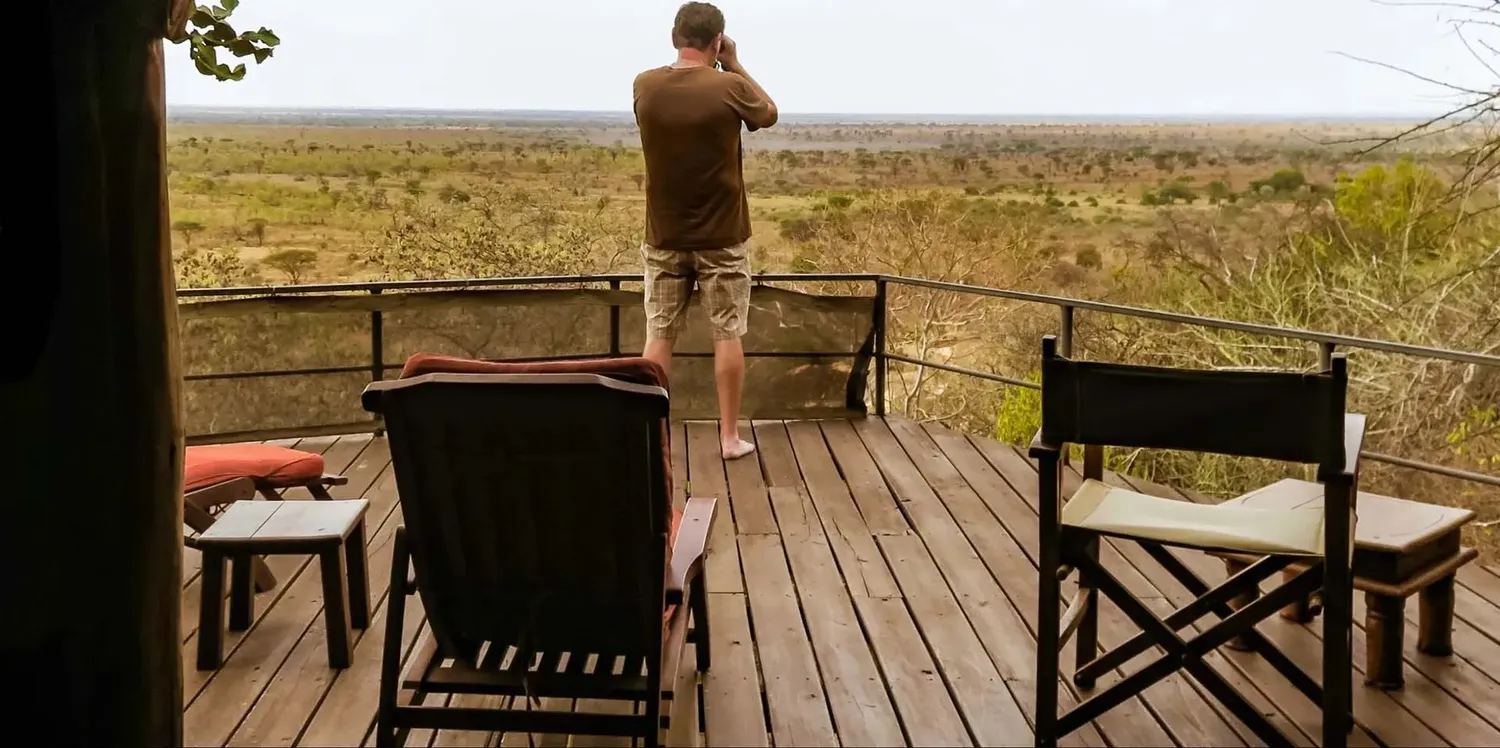
Planning a short adventure into East Africa's premier wildlife ecosystems demands highly specific planning. Knowing exactly how to customize a 6 days Tanzania private safari allows you to bypass exhausting road transits, cut bloated tour operator markups, and focus entirely on iconic wildlife spectacles. A fixed 6-day timeframe requires specific balancing between tracking hours and remote camp positioning. This operational guide details every critical logistical layer required to engineer an optimized, high-yielding private itinerary.
1. Selecting Your Ideal Safari Circuit Axis
Tanzania’s wild expanses are operationally grouped into distinct regional circuits, each defined by unique tectonic geography, distinct climate zones, and varying densities of wildlife populations. Because a 6-day travel window is structurally tight, you must commit to a single geographic axis. Attempting to cross-engineer an itinerary that combines disparate zones results in "transit burnout"—where precious game-viewing hours are permanently lost to grueling, long-distance road transfers across rough, unpaved terrain.
Understanding the Operational Trade-Offs
When engineering a customized private safari, your choice of circuit acts as the structural blueprint for your entire itinerary. It determines your primary entry airport, your daily park concession expenditures, and the specific configurations required for your 4x4 transport or light aircraft charters. For a fixed 6-day timeframe, the choice usually comes down to maximizing wildlife viewing density versus securing absolute, low-density wilderness privacy.
The Classic Northern Circuit Axis: High-Density Apex Viewing
For first-time visitors and those targeting legendary African megafauna, prioritizing the Northern Circuit yields an unmatched density of large mammal tracking opportunities. A standard 6-day custom build safely links Tarangire National Park, the Ngorongoro Conservation Area, and the world-renowned Serengeti National Park ecosystem. This classic layout exposes you to rapidly shifting ecological terrains within a compact driving radius—shifting seamlessly from the dense baobab forests and massive elephant concentrations of Tarangire to the enclosed, prehistoric volcanic caldera floor of the Ngorongoro Crater.
The crown jewel of this axis is the Serengeti, which requires careful seasonal alignment. When planning your 6-day northern route, your private guide must position your mobile tented camps near active migration paths. From July to October, logistics should focus strictly on the Northern Serengeti (Kogatende or Lamai sectors) to witness the dramatic Mara River crossings. Conversely, from January to March, your route should shift toward the southern Serengeti and Ndutu plains to capture the synchronized wildebeest calving season.
| Target Park (Northern Axis) | Optimal Allocation | Primary Ecological Focus |
|---|---|---|
| Tarangire National Park | 1 Full Day | Massive elephant herds, ancient baobab clusters, and Tarangire River predators. |
| Ngorongoro Crater Floor | 1 Full Day | Critically endangered Black Rhino tracking and ultra-dense predator-prey dynamics. |
| Serengeti National Park | 3 Full Days | Endless savannah plains, big cat pride territories, and Great Migration tracking. |
The Wild Southern and Western Axis: Raw, Off-the-Beaten-Track Isolation
If avoiding crowds and securing authentic, low-density exclusivity are your primary goals, you should focus your 6-day custom build on Tanzania's rugged Southern Circuit—specifically Nyerere National Park (formerly the Selous Game Reserve) and Ruaha National Park. The southern ecosystems provide raw, unfenced wilderness boundaries where the human footprint is virtually non-existent. Here, standard driving safaris are expanded by highly specialist operational additions, such as dynamic boat safaris along the intricate channels of the Rufiji River, and deep bush walking tracking led by armed, expert local rangers.
However, the southern and western sectors demand totally different logistics. When learning how to book a 6 day luxury safari in tanzania within these remote boundaries, you must budget for direct fly-in/fly-out microflight connectivity. Driving times from the commercial coastal hub of Dar es Salaam to Nyerere or Ruaha can easily exceed 9 to 13 hours on punishing, unpaved tracks. By deploying lightweight single-engine bush planes flying directly into isolated airstrips like Msembe or Jongomero, you completely eliminate transit downtime, preserving your short 6-day window for pure, high-quality wilderness tracking.
Ultimately, your decision should balance seasonal weather patterns and personal comfort levels. The Northern Circuit features highly established lodge infrastructures and dependable, smoother transit links, while the Southern Circuit offers an unmatched, wild atmosphere where you can track rare wild dogs and apex predators in complete privacy.
2. Minimizing Logistics and Transit Bottlenecks
The biggest threat to a 6-day itinerary is "safari fatigue" caused by spending long days inside a 4x4 truck on bumpy corrugated tracks. To maximize actual game-viewing hours, use smart routing tricks:
- The One-Way Fly-In Strategic Option: Fly from Arusha Airport directly to a central Serengeti airstrip (like Seronera). This single 50-minute flight saves an entire day of driving, leaving you with more time for game drives. You can then leisurely drive back over the remaining 4 days via Ngorongoro and Manyara.
- Dedicated Private Vehicle Allocation: Insist on a private customized 4x4 land cruiser with an extended pop-up roof, built-in canvas charging ports, and an integrated cooling fridge. This ensures your group controls daily gate departure times and tracking goals.
- Strategic Airport Selection: Fly directly into Kilimanjaro International Airport (JRO) rather than Julius Nyerere International Airport (DAR) if you are targeting northern parks. This choice cuts out an extra domestic flight and keeps your logistics tightly integrated.
If you prefer a pure fly-in structure, review our detailed guide on how to plan a 6 day fly-in safari to serengeti to see exactly how small charter planes link up with isolated bush camps.
3. Choosing the Right Accommodation Infrastructure
Your overnight choices define the tone, comfort level, and nightly cost of your safari. Properties are divided into three main operational categories:
| Property Style | Nightly Cost Range (USD) | Key Advantage |
|---|---|---|
| Permanent Eco-Lodges | $450 – $900 per room | Solid brick walls, plunge pools, dependable 24/7 power grids. |
| Mobile Tented Camps | $600 – $1,300 per tent | Positioned right along active seasonal wildlife migration pathways. |
| Adventure Fly-Camps | $300 – $550 per person | Minimalist setup for immersive walking safaris under the stars. |
To maximize a 6-day trip, we recommend booking a reliable mobile luxury tented camp safari in the serengeti. These properties physically move twice a year to stay close to the massive wildebeest herds. This keeps you right in the center of the action and avoids long morning drives from distant permanent lodges.
4. Integrating Specialist Experiential Add-ons
A private safari means your daily schedule is fully customizable. You are not locked into a rigid group tour routine. Consider these premium additions to elevate your time in the bush:
Dawn Hot Air Balloon Flights
Launching at 05:00 AM over the central plains or near the Mara River offers an unmatched aerial view of the plains. These flights end with a traditional champagne bush breakfast. To secure these spots, you must plan ahead—learn how to add a hot air balloon to 6 days safari itineraries during the initial booking phase.
Photography-Focused Vehicle Setup
Standard tours often squeeze guests into shared rows. For clean shots, look into how to customize a 6 day photography-specific safari. This ensures your private vehicle features lowered window frames, specialized beanbag mounts, and an expert driver who knows exactly how to position the car for the best natural light.
Walking Safaris & Cultural Encounters
Sitting in a truck for 6 days straight can feel restrictive. You can customize your trip by adding guided walking loops through park borders or planning an authentic visit to an active Maasai boma. For family groups, check out our guide on how to organize a 6 days luxury family safari to find paths and camps well-suited for younger children.
5. Financial Engineering & Cost Control
Tanzania park fees are fixed and non-negotiable. For instance, the Ngorongoro Crater vehicle descent fee sits at $295 per vehicle per turn, alongside individual daily conservation fees. To budget accurately, ask your operator for an itemized breakdown rather than a single lump sum. This transparency allows you to see exactly where your money goes.
To evaluate and compare safari quotes effectively, use our expert tips on how to assess a 6 day luxury safari quote. Checking these details ensures you are not overpaying for basic ground logistics or hidden booking fees.
6. Frequently Asked Questions
Is 6 days long enough to experience the Great Wildebeest Migration?
Yes. By bypassing smaller peripheral parks and flying directly into the northern Serengeti (July–October) or Ndutu region (January–March), you can comfortably spend 3 full days tracking the migration herds within a 6-day window.
How do I verify if a local Tanzanian safari operator is legitimate?
Cross-reference their business license against the official registry list maintained by the Tanzania Association of Tour Operators (TATO). Never wire non-refundable deposits to individuals lacking a verified TATO credential or an active TALA license number.
Can I combine a 6-day private safari with a Zanzibar beach stay?
Yes. The most efficient approach splits the itinerary into 4 days of intense wildlife tracking in Serengeti and Ngorongoro, followed by an afternoon flight out of Seronera airstrip straight to Abeid Amani Karume International Airport in Zanzibar.
7. Operational References and Standards
To ensure absolute safety, regulatory compliance, and fair pricing when tailoring your trip, refer to these official guidelines. Navigating the legal and operational framework of East African tourism requires strict cross-referencing with verified state bodies and conservation authorities. Below is an exhaustive breakdown of the regulatory architectures governing private wilderness expeditions in Tanzania.
The Institutional Pillars of Tanzanian Tourism
Every tailored private safari operating within the United Republic of Tanzania must adhere strictly to the statutory frameworks established by the Ministry of Natural Resources and Tourism (MNRT). These laws protect travelers from fraudulent operations, enforce dynamic ecological sustainability mandates, and standardize emergency response protocols across all protected conservation grids.
1. Wildlife Conservation and Park Management
The operational management of all national park borders, wilderness walking trails, and non-consumptive photographic sectors falls under the exclusive jurisdiction of the Tanzania National Parks Authority (TANAPA). When customizing a 6-day itinerary, TANAPA regulations dictate maximum daily speed limits inside the parks (typically 40km/h), strict off-road driving prohibitions to prevent habitat degradation, and mandatory ranger escort parameters for any specialized wilderness walking loops.
2. Commercial Licensing and Corporate Governance
A legitimate local inbound tour operator must possess an active TALA (Tourism Agent Licensing Authority) certificate, issued annually by the government. This license proves that the enterprise maintains structural liability insurance, pays statutory corporate taxes, and possesses an inspected fleet of structurally safe 4x4 safari vehicles. Without a valid TALA registry number, an operator cannot legally purchase entry permits at park gates.
Statutory Compliance Checklist for Private Safaris
Before executing electronic bank transfers or signing final booking contracts for your customized private itinerary, ensure your designated provider explicitly demonstrates compliance with the following official standards:
- TANAPA Conservation Fees Structure: Park fees are strictly calculated on a per-person, per-24-hour cycle. Ensure your itemized invoice matches the official public tariffs published by the Tanzania National Parks Authority, eliminating hidden agency markups on government concession rates.
- NCAA Special Crater Service Fees: The Ngorongoro Conservation Area Authority (NCAA) enforces a unique vehicle transit fee ($295 USD per descent at current structural pricing) independent of standard park fees. Your private contract must explicitly clarify whether this single descent fee is inclusive for your group.
- TATO Code of Conduct Compliance: The Tanzania Association of Tour Operators (TATO) acts as the primary clearinghouse for ethical industry practices. TATO members are contractually bound to provide fair working wages to safari guides, chefs, and tracking spotters, ensuring your financial investment directly supports local communities.
- WMA Community Levies: If your customized private route traverses a Wildlife Management Area (WMA)—such as Ikona near the Western Serengeti corridor—additional localized community concession fees apply, which directly fund indigenous education and anti-poaching infrastructure.
For a detailed breakdown of the complete operational directives, seasonal park tariff matrices, and passenger safety bills of rights, please click the interactive structural resources below:
- Tanzania National Parks Authority (TANAPA) – Access official real-time updates on national park conservation fees, seasonal gate open/close hours, and emergency evacuation insurance protocols.
- Tanzania Association of Tour Operators (TATO) – Use this primary consumer clearinghouse database to verify the current membership status and active licensing credentials of your local ground handlers.