





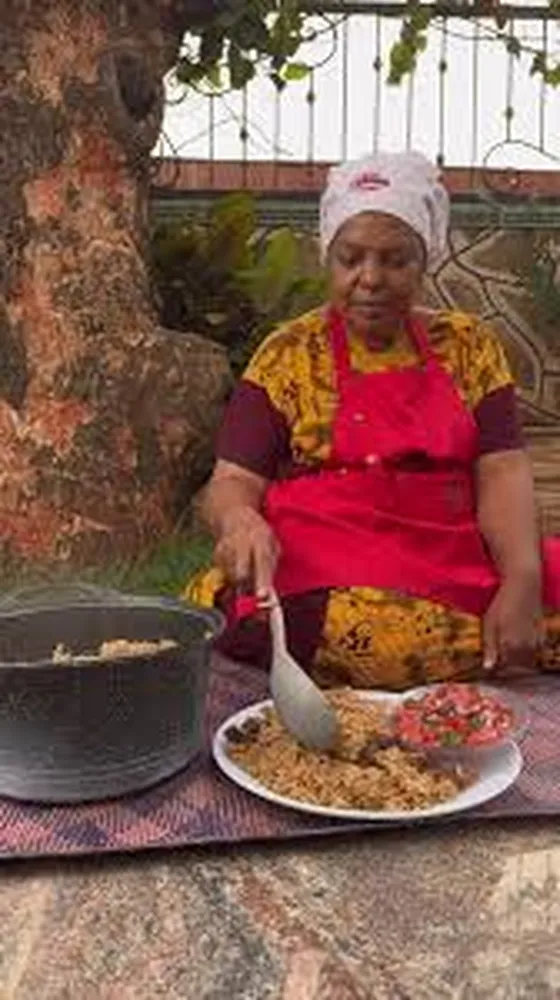
Mastering how to cook pilau rice East African style is an essential achievement for any lover of coastal Swahili cuisine. This fragrant, dark brown, one-pot spiced rice dish is the absolute highlight of celebrations, weddings, and weekend family gatherings along the East African coast. Unlike complex layered Indian methods like learning how to make chicken biryani step by step, the classic East African approach cooks everything inside a single heavy pot, letting the long-grain rice absorb the concentrated meat broth and whole spice oils simultaneously. If you already know how to cook fluffy white rice perfectly, advancing your skills to this aromatic level will transform your home cooking style completely.
Pilau Specs & Timeline
To avoid broken text wrappers or horizontal scrolling layouts on smartphones, we have grouped the critical preparation values into a clean, minimal data table. Achieving an ideal texture depends heavily on maintaining exact liquid balances, much like following strict steps when learning how to make soft chapati at home.
| Cooking Phase | Time Required | Key Focus |
|---|---|---|
| Boil Protein | 25 Min | Extract strong meat broth |
| Onion Browning | 10 Min | Build authentic dark color |
| Rice Steam | 20 Min | Absorb low-flame moisture |
The Authentic Pilau Masala Blend
The distinctive character of authentic Swahili pilau lies entirely within its spice ratio. Avoid pre-packaged powders if you want maximum fragrance. Instead, buy whole spices from local spice vendors or an authentic global spice market and prepare the mix yourself using these ratios:
- Whole Cumin Seeds (Bizari Nyembamba): 1.5 tablespoons. This acts as the dominant flavor base.
- Black Peppercorns (Pilipili Manga): 1 tablespoon for a warm, biting undertone.
- Whole Cloves (Karafuu): 1 teaspoon to add deep, earthy wood notes.
- Green Cardamom Pods (Iliki): 1 teaspoon to cut through the heavy savory layers.
- Cinnamon Sticks (Mdalasini): 2 whole sticks broken gently to release aromatic bark oils.
Drop the cumin, peppercorns, cloves, and cardamom into a dry skillet over medium heat. Toast them for 2 to 3 minutes until your kitchen fills with an intense aroma. Transfer the warm seeds into a mortar or small spice grinder and process until they turn into a coarse powder blend.
Phase 1: Boiling the Meat Foundation
Place your raw, bone-in beef pieces or goat cuts inside your cooking pot. Add a single tablespoon of fresh, crushed ginger-garlic paste and a pinch of salt. Pour in just enough water to cover the meat. Bring the contents to a steady boil over medium-high heat. Cook for roughly 20 to 25 minutes until the meat turns perfectly tender but remains firm enough to handle a second searing phase. Turn off the flame, pour the meat through a strainer, and make sure to save every single drop of the hot broth in a clean bowl. This seasoned liquid is the secret to creating a flavorful base layer.
Phase 2: Onion Caramelization Secrets
Wipe your deep cooking pot dry and add 4 tablespoons of high-heat cooking oil. Once the oil begins to shimmer, dump in 3 large, finely sliced red onions. This is the single most vital step of the entire Swahili recipe. Sauté the red onions continuously for 8 to 10 minutes. You must let them cross the translucent phase and turn into a deep, rich dark chocolate brown profile. If you pull them off the heat too early, your finished grains will stay pale and lacks the deep profile that defines authentic pilau. Just as you monitor heat variables closely when learning how to make crispy french fries like a restaurant, you must keep the onions moving to prevent them from burning to ash.
Once your onions hit that dark brown profile, throw in your remaining fresh ginger-garlic paste and your fresh, home-ground pilau masala powder alongside the broken cinnamon sticks. Stir the spices through the hot oil for 60 seconds to unlock the essential oils. Toss your boiled, strained meat cuts directly into the browned oil and sear the surfaces for 3 to 4 minutes until a beautiful dark outer crust develops.
Phase 3: The Broth Ratio and Simmer Rules
Measure your saved hot meat broth carefully before pouring it into your seasoned pot. The gold standard ratio for perfect East African long-grain rice is 2 cups of liquid for every 1 cup of dry rice grains. If your saved broth falls short of this mark, top it up using hot water. Bring the dark, aromatic soup mixture to a vigorous, rolling boil over high heat. Taste the boiling liquid right now; it should taste slightly over-salted, which guarantees the rice absorbs the right amount of seasoning. Dump your thoroughly washed and drained basmati or Pishori rice directly into the center of the boiling pot. Stir the grains gently once from the bottom to distribute your meat pieces evenly, then let it simmer uncovered for 7 to 9 minutes until the boiling liquid drops completely below the surface level of the grains.
Phase 4: Low Heat Steaming Method
The moment small steam vents or holes begin forming across the surface of the rice layer, drop your heat source down to its absolute lowest possible setting. Gather a clean piece of aluminum foil or a damp kitchen towel and stretch it securely across the rim of your pot to block any escaping moisture. Press your heavy lid down firmly over the top. If you are cooking over traditional charcoal, remove most of the red coals from underneath the pot and place them directly onto the flat lid surface to create an insulation system. Let the covered pot steam undisturbed for exactly 20 minutes. Turn off your flame entirely and let the pot rest sealed for another 5 minutes. Remove the lid carefully, let the trapped steam dissipate, and use a long-pronged fork or silicone spatula to fluff the dark brown grains apart. Serve your hot pilau alongside a fresh, lime-dressed onion and tomato kachumbari salad.
Frequently Asked Questions
Which rice variety works best for East African pilau?
Aromatic Pishori rice from Kenya or aged Basmati rice grains provide the best results. They possess a natural fragrance that pairs beautifully with whole cumin and cardamom seeds without getting sticky.
Can I make a vegetarian version of Swahili pilau?
Absolutely. You can skip the beef entirely and replace the protein layer with boiled brown potatoes (Pilau ya Viazi) or black-eyed peas while keeping the exact same onion browning and spice grinding methods.