





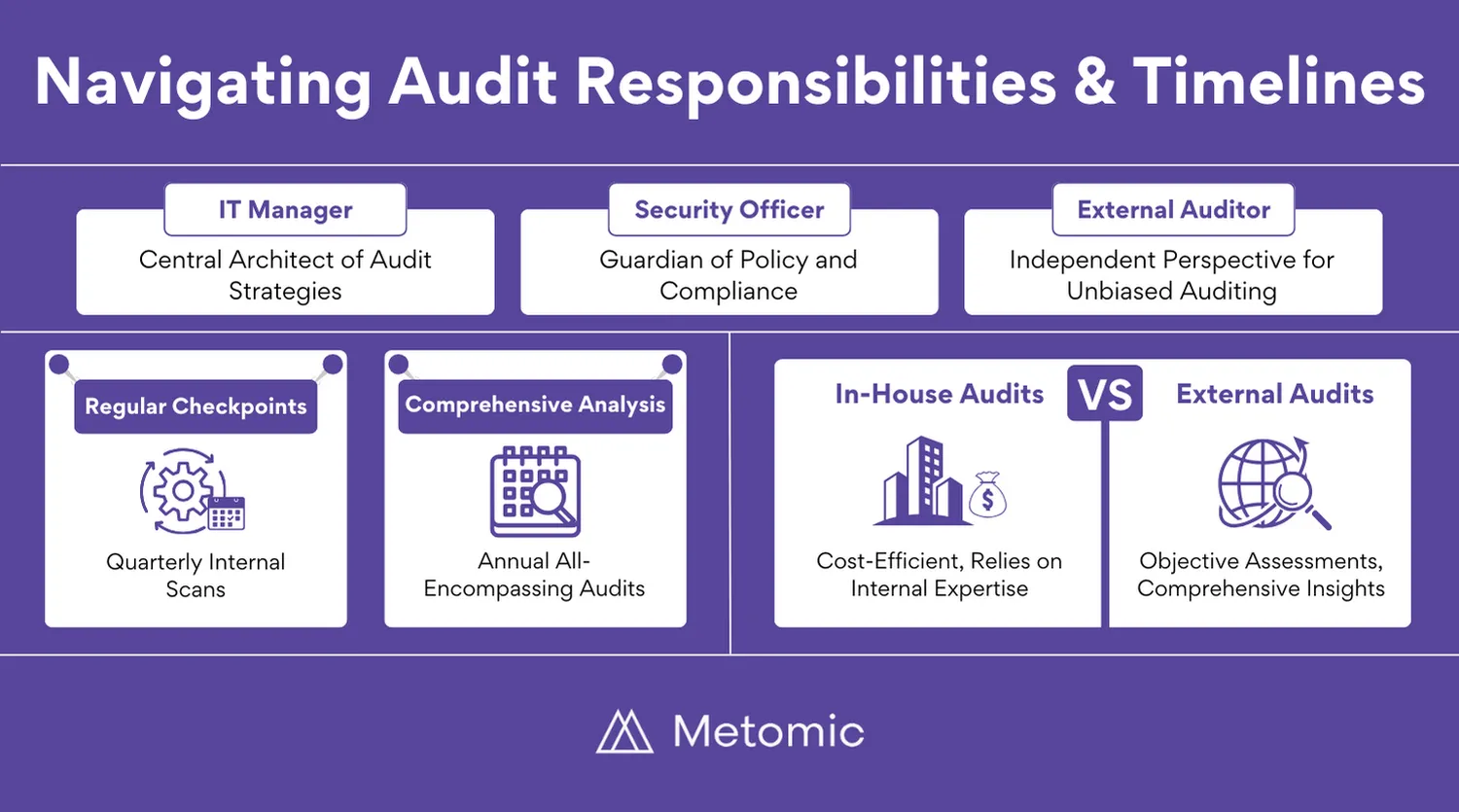
In 2026, small businesses are the primary targets for automated cyberattacks. Learning how to conduct a comprehensive cybersecurity audit for small businesses is no longer optional—it is a survival skill. A security audit helps you identify where your sensitive data is stored and who has access to it, preventing costly breaches before they happen.
The Core Pillars of a Modern Security Audit
A successful audit isn't just about scanning for viruses; it's about evaluating your entire digital ecosystem. You need to look at your network, your employees' habits, and your cloud service providers. To make this process efficient, many IT teams now use prompt engineering to automate coding tasks related to security script generation.
| Audit Area | Critical Task | Risk Level |
|---|---|---|
| Identity | Verify MFA status | High |
| Endpoints | Update OS/Firmware | Medium |
| Data | Encryption check | Critical |
Step-by-Step: How to Conduct the Audit
- Inventory Hardware and Software: You cannot protect what you don't know exists. List every laptop, phone, and SaaS subscription used by your team.
- Review Access Permissions: Follow the principle of least privilege. If you are managing a remote team, it is vital to implement a Zero Trust security framework to ensure no one has more access than they need.
- Assess Password Hygiene: Ensure all employees use unique passwords. It is highly recommended to set up multi-factor authentication (MFA) without using SMS, as SMS codes are easily intercepted in 2026.
- Check Backup Integrity: A backup is only good if it works. Regularly test recovery procedures to avoid a crisis.
Defending Against AI-Driven Threats
Traditional antivirus is often bypassed by modern threats. During your audit, evaluate how well your team can protect your business from AI-generated deepfake phishing. These attacks use synthesized voices and videos of CEOs to trick employees into transferring funds or leaking credentials.
Handling Data Leaks and Corruption
If your audit reveals that a database has been tampered with or corrupted, you must have a recovery plan. For local development or legacy systems, knowing how to recover a corrupted MySQL database from XAMPP logs can save hours of downtime during a security incident.
Frequently Asked Questions
How often should a small business audit its security?
At minimum, every six months. However, any major change in infrastructure or hiring should trigger an immediate mini-audit.
Can I conduct an audit without an IT degree?
Yes. By following a structured checklist and using automated tools, a business owner can identify 80% of common vulnerabilities.
Conclusion
Performing a comprehensive cybersecurity audit is a continuous journey. By securing your identity protocols, protecting against AI threats, and ensuring your database integrity, you build a resilient business that can thrive in the digital landscape of 2026. Start your audit today to secure your future.