





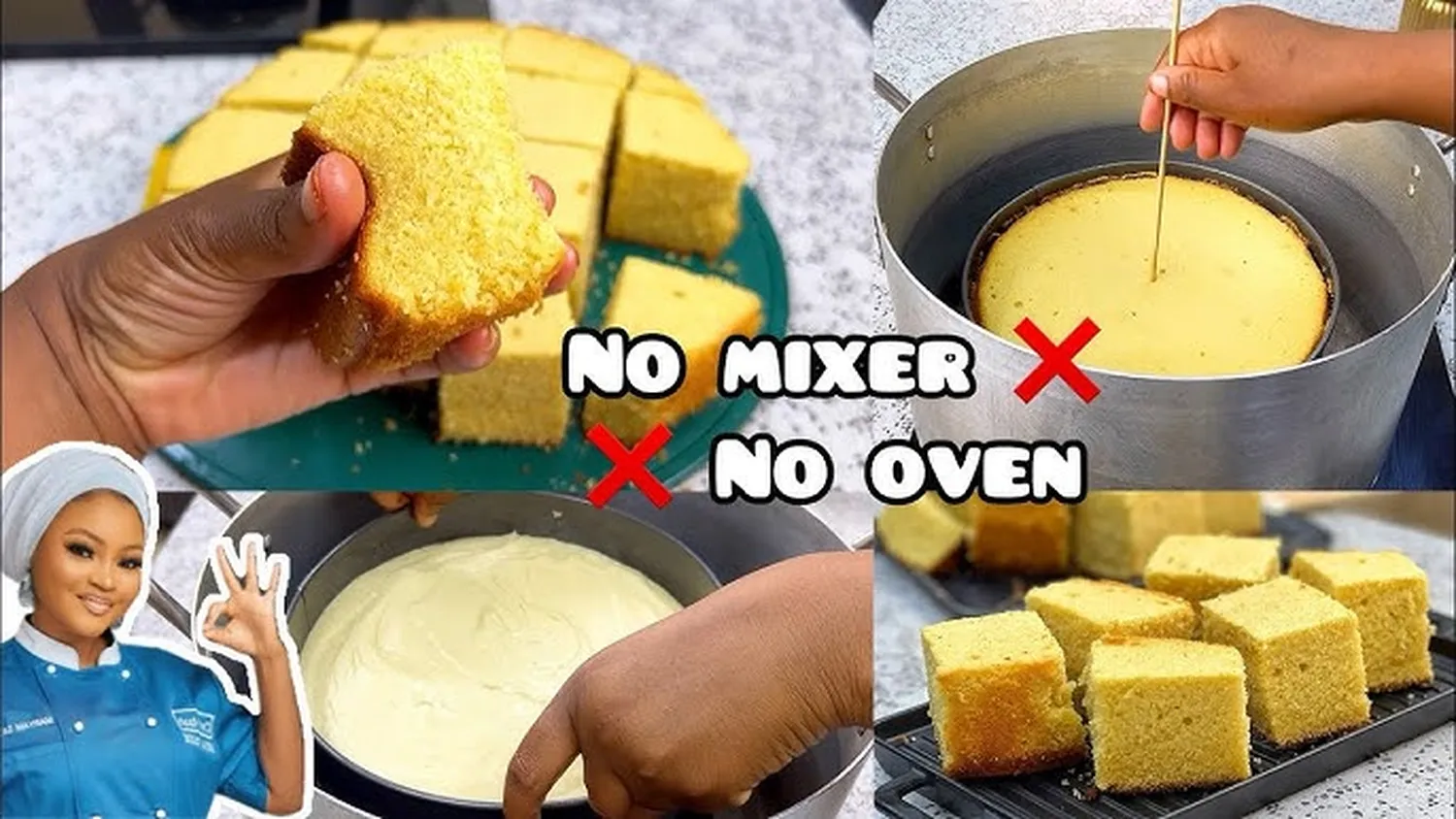
Baking a delicious, soft cake does not require a luxury kitchen or high-end appliances. Learning how to bake a cake at home without an oven is a classic kitchen skill that relies on a simple stovetop setup. Using a heavy-bottomed pot, pan, or deep sufuria simulates the uniform dry heat environment of a regular oven. Whether your oven is broken or you simply prefer alternative cooking styles, this method delivers perfect moisture and structure every single time.
The Science of No-Oven Baking
Traditional ovens cook foods using ambient dry heat that moves through convective air currents. When learning how to bake a cake at home without an oven, you achieve this exact same effect by using a sealed, heavy-duty pot acting as a miniature baking chamber. A thick metal separator or wire trivet keeps the direct flame from scorching the bottom of your internal cake tin. For more great kitchen tips, discover how to cook fluffy white rice perfectly to balance your cooking repertoire.
Ingredients and Ratios
To ensure consistency, quantitative data highlights that standard baking chemical interactions apply just as strictly to stovetop variations. The weight distribution of your flour, fat, and leveling agents decides the structural integrity of your finished crumb structure.
| Ingredient | Quantity | Purpose |
|---|---|---|
| All-Purpose Flour | 200 grams | Provides structure |
| Granulated Sugar | 150 grams | Sweetness & moisture |
| Unsalted Butter | 100 grams | Fat for tenderness |
| Whole Eggs | 2 large | Binding and lift |
| Baking Powder | 1.5 teaspoons | Primary leavening |
Step-by-Step Cooking Guide
- Set up the baking pot: Place a deep, heavy aluminum or cast-iron pot on your stove. Position a metal stand or iron ring inside the bottom center. Do not let the cake tin touch the direct bottom floor.
- Preheat the pot system: Cover the pot with a tightly fitting lid. Turn your stove to a steady medium setting and let it preheat for 10 complete minutes. This builds up the essential trapped dry heat.
- Mix the batter: Cream your room-temperature butter and sugar together until light. Beat in the eggs one at a time. Sift your flour and baking powder together, then slowly incorporate them into the wet mixture, alternating with small splashes of milk.
- Pour and center: Pour the smooth batter into a well-greased, floured baking pan. Carefully drop the filled pan directly onto the hot metal stand inside the preheated pot.
- Simmer and trap: Place the lid back on quickly. Turn your heat down to low immediately. Bake continuously for 40 to 45 minutes without breaking the seal early.
- Check for doneness: Insert a clean wooden skewer into the direct center. If it emerges completely clean, your stovetop cake is fully done.
If you want to move away from sweet options and prepare a savory lunch, look at our detailed steps on how to make chicken biryani step by step or understand the secrets of how to make soft chapati at home for your next family gathering.
Troubleshooting Common Issues
Understanding potential pitfalls makes learning how to bake a cake at home without an oven much easier. If the exterior burns before the inside sets, your burner output is simply too high. Always use a heat diffuser plate underneath your pot if your stovetop burner lacks a sensitive low setting. Condensation falling from the lid can also cause a soggy top layer; wrap the lid inside a clean cotton towel before covering the pot to trap excessive escaping steam.
For more culinary science foundations, you can read about food preparation interactions on the ScienceDirect Research Portal to see how heat dynamics function across various cookware materials.
Frequently Asked Questions
Do I need to add sand or salt to the bottom of the pot?
While a 1-inch layer of clean sand or table salt distributes heat evenly, a sturdy wire metal trivet works just as safely and keeps your pot much cleaner.
Can I use a non-stick pot for stovetop baking?
No, it is highly discouraged. Extended dry heating without contents will degrade and ruin non-stick chemical coatings. Stick to heavy aluminum, steel, or cast-iron pots instead.