





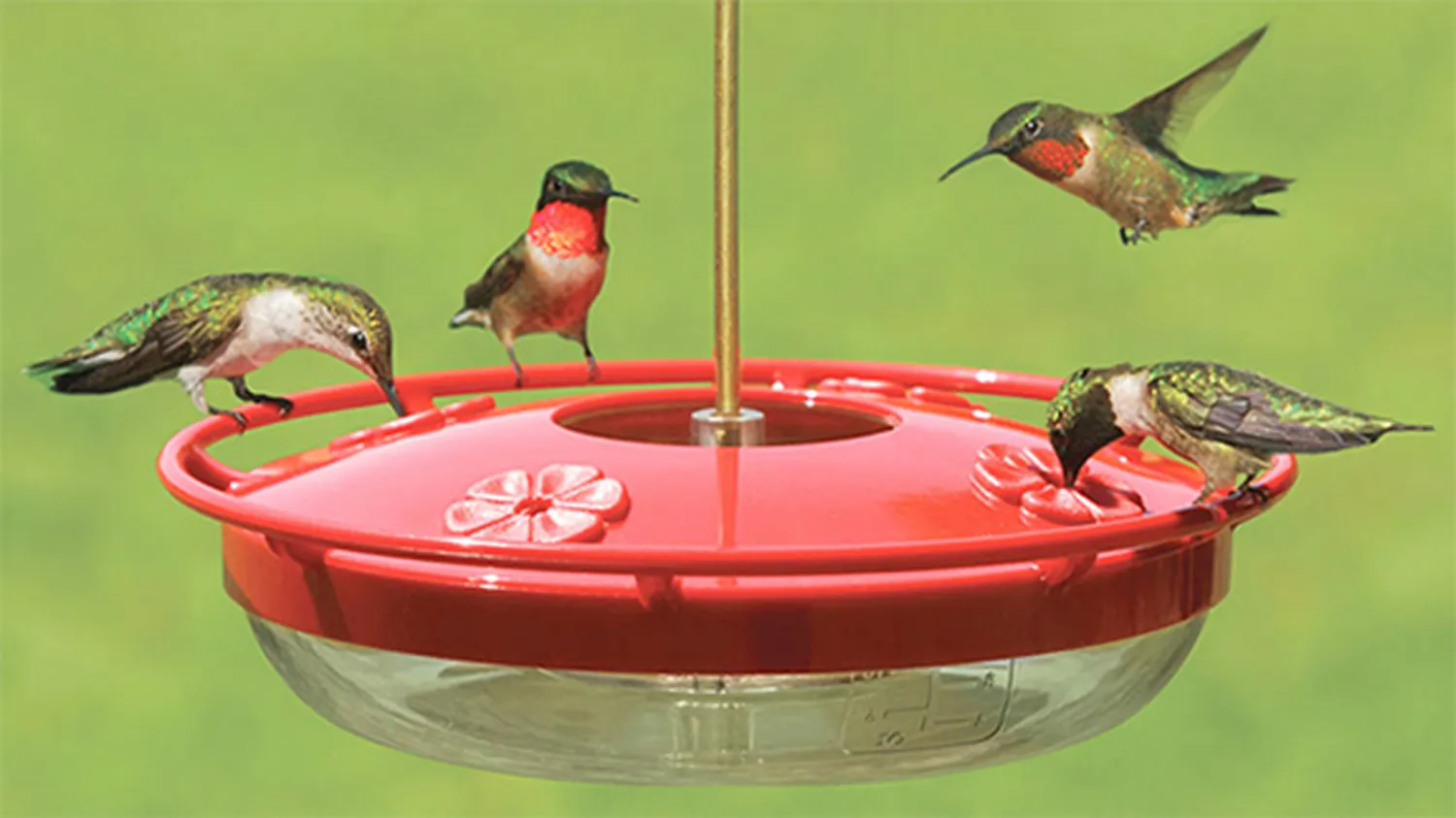
Establishing a welcoming environment for migrating wildlife can transform an ordinary green space into a lively sanctuary. Learning how to attract hummingbirds to your backyard requires an intentional approach that combines native plant landscaping, strategic supplemental feeding, and protective habitat elements. Because of their incredibly fast metabolic rate, these tiny birds rely on highly concentrated energy networks to support their rapid flight movements. By carefully matching your garden elements to their natural instincts, you can encourage these colorful visitors to make your yard a regular stop on their daily feeding routes.
1. The Scientific Homemade Nectar Formula
The most direct way to get these high-energy birds visiting your garden is by providing a reliable supply of fresh sugar water that closely matches the natural carbohydrates found in floral nectar. Many beginners mistakenly buy commercial red-dyed nectar mixes, assuming the coloring is helpful. However, scientific testing has shown that artificial red dyes can cause long-term kidney issues and reproductive harm to the birds over time. Simply using bright red hardware fixtures on your feeders provides plenty of visual attraction on its own.
To mix a safe, healthy batch at home, use an exact four-to-one volumetric ratio of water to sugar. Avoid organic raw sugar, brown varieties, or honey, as these contain high iron levels that can be toxic to birds and spoil quickly in warm weather. Stick to standard white granulated sugar dissolved in clean filtered water. Maintaining this simple balance supports their energy needs safely, much like following exact steps keeps other outdoor setups productive, such as learning how to keep squirrels away from bird feeders.
| Water Volume | White Sugar Required | Safe Storage Life |
|---|---|---|
| 1 Cup (8 oz) | 0.25 Cup (2 oz) | 7 Days (Refrigerated) |
| 4 Cups (32 oz) | 1.00 Cup (8 oz) | 7 Days (Refrigerated) |
2. Botanical Landscaping: Native Floral Varieties
While feeders provide a helpful food supplement, building a sustainable habitat relies on planting a rich variety of native flowers. Hummingbirds have excellent color vision that makes them naturally drawn to bright red, orange, and deep pink blossoms. Their long, slender bills are perfectly adapted for feeding from tubular, bell-shaped flowers that hold rich stores of nectar deep inside, out of reach for competing insects.
When choosing plants for your garden beds, pick species with staggered blooming periods to ensure a steady supply of food from early spring through late autumn. Excellent choices include Bee Balm, Coral Honeysuckle, Cardinal Flower, and various native Salvias. For more detailed recommendations on regional varieties, consult the native plant databases curated by the National Audubon Society. Adding these native plants also attracts small insects and spiders, which provide an essential source of protein and fat for growing chicks during the nesting season.
3. Strategic Feeder Deployment and Maintenance
Where and how you hang your feeding stations has a huge impact on how often birds visit and how safe they are while feeding. Hummingbirds are highly territorial and will vigorously defend choice feeding spots from rivals. To reduce fighting and encourage more visitors, space multiple small feeders out across your yard rather than clustering them all in one spot. Hang fixtures at least 5 to 6 feet above the ground to keep them safely away from prowling neighborhood cats.
Hot weather can quickly cause sugar solutions to ferment, turning them into a dangerous mix of toxic molds and bacteria within a few warm days. Cloudy nectar or black spots inside the feeder ports are clear signs it needs immediate attention. In the peak of summer, aim to rinse and scrub your feeders every two days using hot water and a bottle brush, avoiding dish soaps that can leave a chemical residue. This regular cleaning routine is just as vital as keeping indoor pet setups clean and hygienic, such as discovering how to get a cat to drink more water.
- Shade Placement: Position stations in partial shade to prevent the sugar water from spoiling quickly in direct sun.
- Visual Visibility: Hang feeders near open flight paths so passing birds can easily spot the bright red accents.
- Pest Protection: Install simple water-filled built-in ant moats to stop crawling insects from reaching the ports.
- Perch Access: Choose models with small built-in resting perches to let birds rest and save energy while drinking.
4. Moving Water Dynamics for Hummingbirds
Many homeowners overlook the importance of water when designing a bird-friendly yard. Because of their tiny size, hummingbirds rarely use deep, static birdbaths, which can pose a significant drowning risk. Instead, they prefer shallow, moving water where they can safely splash and clean pollen and sticky nectar residues from their feathers.
Adding a solar-powered fountain insert or a low-pressure misting nozzle to your garden beds can quickly catch the attention of nearby birds. The fine, drifting mist creates a perfect bathing spot where they can fly through to wet their wings, and the sound of trickling water can be heard from a distance. Keeping your yard's water features functional and safe requires regular care, much like managing hydration setups for other household animals, such as learning how to clean a dog's ears safely at home.
5. Managing Predators and Environmental Hazards
Transforming your yard into an inviting feeding space means you also need to take steps to keep your avian guests safe from common backyard hazards. Domestic outdoor cats are highly skilled predators that frequently hide in low bushes near feeders, waiting to catch low-flying birds. Keep nearby shrubs trimmed up from the ground to eliminate hiding spots, and place your feeding stations in relatively open areas where birds have a clear view of their surroundings.
Large glass windows can also be dangerous, as birds often try to fly through reflections of the open sky or nearby trees. Placing feeders either very close to windows (under 3 feet) or much further away (over 15 feet) significantly reduces the risk of high-speed collisions. Taking these simple safety precautions allows you to enjoy a thriving wildlife habitat while keeping your yard safe from common environmental dangers, just like keeping an eye out for larger threats when exploring outdoors, such as knowing how to spot a venomous snake in the wild.
6. Frequently Asked Questions (FAQs)
Can I use honey or organic brown sugar for the nectar recipe?
No, honey and brown sugar contain complex trace minerals and high iron levels that can cause fatal gut infections and organ damage in hummingbirds. Stick to standard white granulated sugar dissolved in clean water.
How often should I clean my backyard hummingbird feeders?
During warm summer weather above 80°F, sugar solution ferments rapidly. Feeders require comprehensive rinsing and mechanical scrubbing every 2 days to prevent hazardous black mold growth.
Is it necessary to buy commercial red-dyed nectar mixes?
Absolutely not. Artificial red color additives are completely unnecessary and can harm avian health. The bright red structural plastic or glass on your feeders is more than enough to attract them naturally.