





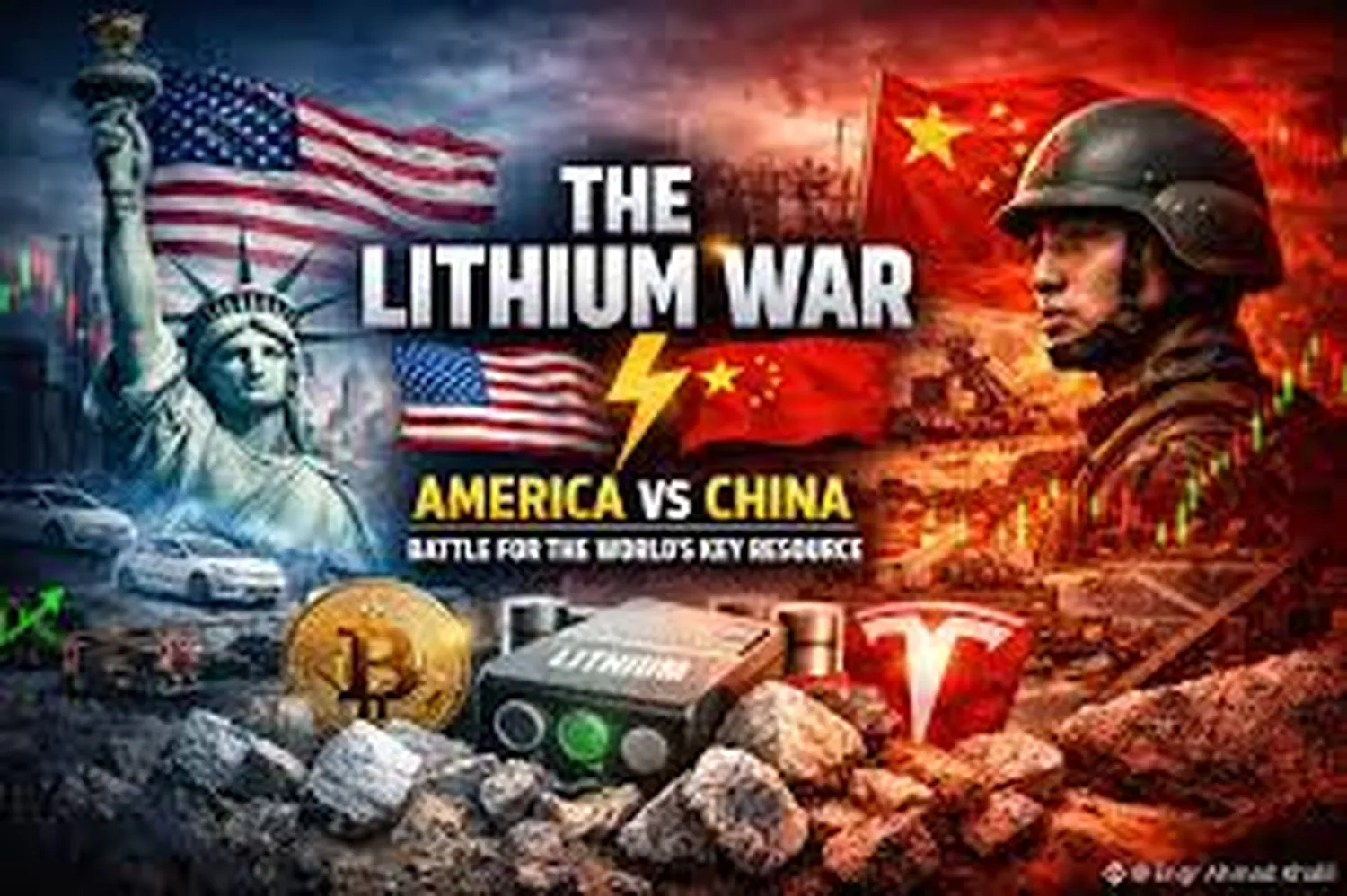
Understanding how to track the US-China battle for lithium mining rights in Africa is no longer just for geologists; it is a vital skill for investors, tech analysts, and policy enthusiasts. As the world pivots to electric vehicles, lithium—the "white gold"—has become the center of a geopolitical tug-of-war. To stay ahead, one must learn to hedge against the US dollar’s decline as these resource battles often shift currency dominance.
The Lithium Rush: Why Africa is the Main Stage
Africa holds approximately 5% of the world's known lithium resources, but its unexplored potential is massive. China has spent decades building infrastructure through the Belt and Road Initiative, while the US is now aggressively playing catch-up through the Lobito Corridor and the Minerals Security Partnership. Learning how to track the US-China battle for lithium mining rights in Africa requires looking beyond the mines and into the trade corridors.
Key Hotspots for Lithium Competition
- Zimbabwe: Currently home to Africa's largest lithium mines (Bikita and Arcadia), heavily dominated by Chinese firms like Huayou Cobalt.
- Namibia: A rising star where the EU and US are seeking to challenge China's early foothold.
- DR Congo: Essential for cobalt, but also home to the Manono lithium deposit, currently entangled in legal battles.
Practical Steps: How to Track Mining Rights
Tracking these developments requires a mix of ground-level news and official governmental reporting. Here is how you can effectively monitor the situation:
- Follow African Mining Ministries: Regularly check the official websites of the Zimbabwe Ministry of Mines or the Namibia Chamber of Mines for new concessions.
- Monitor Diplomatic Visits: When US officials visit Africa, look for mentions of "Critical Minerals Agreements." Similarly, track China’s FOCAC (Forum on China-Africa Cooperation) summits.
- Analyze Financial Filings: Watch companies like Ganfeng Lithium (China) or Piedmont Lithium (US/Australia) on stock exchanges to see where they are deploying capital.
Comparative Data: US vs. China in Africa (2025-2026 Estimates)
| Metric | China | United States |
|---|---|---|
| Active Mines | ~12 Major Sites | ~2 (Early Stage) |
| Investment Mode | Direct Ownership | Partnerships/LoS |
| Primary Focus | Zimbabwe, DRC | Namibia, Ghana |
Navigating Economic & Political Risks
As you track these rights, be aware that mining deals are often affected by local laws. Just as businesses must learn how to adapt to the EU’s New Green Deal 2.0, African nations are now implementing "value-addition" laws that ban the export of raw lithium. This forces both the US and China to build processing plants locally, which changes the investment landscape significantly.
Furthermore, staying informed on international relations is key; you might need to know how to secure your digital assets during times of heightened global tension that often accompany these resource grab battles.
FAQs on Tracking Lithium Mining Rights
Why is China winning the lithium race in Africa?
China has a "first-mover advantage," having invested in African infrastructure and mining long before the green energy transition became a global priority.
How can I see which companies are getting rights?
Use platforms like Bloomberg Terminal, Reuters Africa, or the Extractive Industries Transparency Initiative (EITI) reports.
Does the US provide aid in exchange for minerals?
The US typically uses the "Minerals Security Partnership" to offer technical assistance and transparency support rather than direct infrastructure-for-resource swaps.
Conclusion
Mastering how to track the US-China battle for lithium mining rights in Africa provides a window into the future of global energy. By monitoring mining concessions, diplomatic shifts, and local processing laws, you can better understand the supply chains that will power the 21st century. As geopolitics becomes more complex, don't forget to also learn how to identify AI-generated political ads, as misinformation often clouds the reality of international resource deals.