





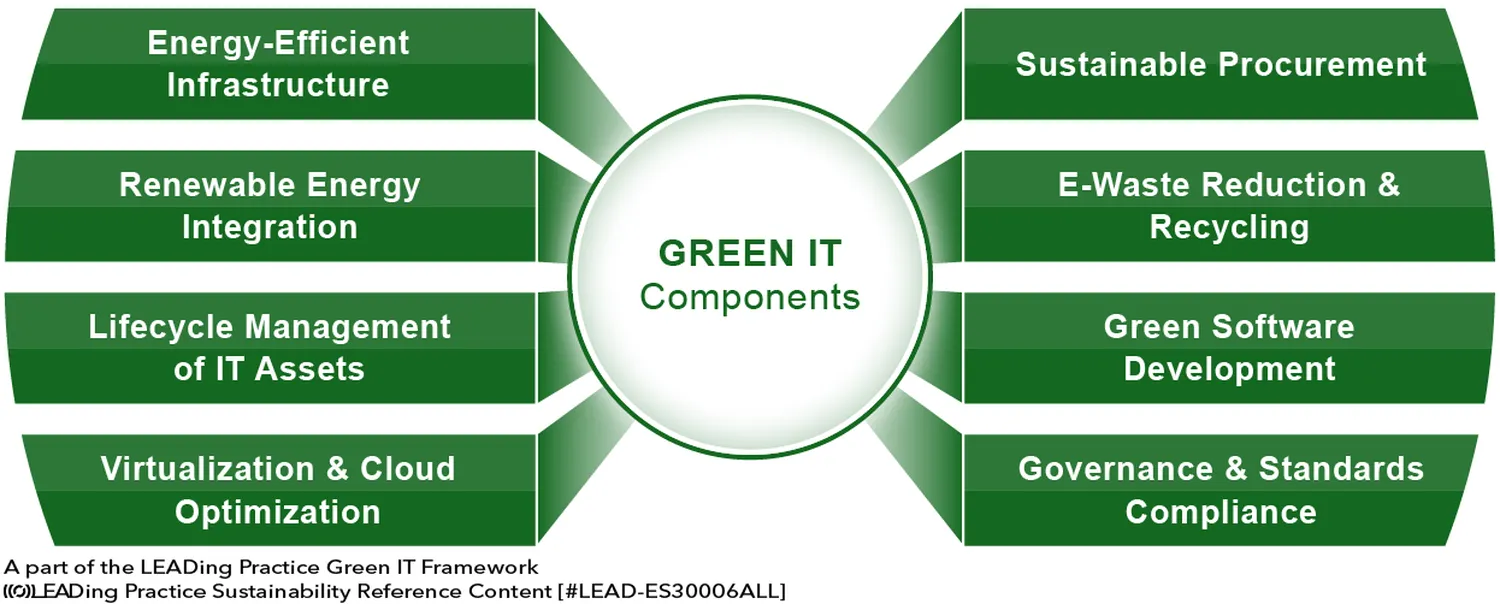
In 2026, the digital footprint of technology companies is under more scrutiny than ever. Knowing how to build a sustainable Green IT strategy is no longer just an option for "earth-friendly" companies—it’s a core requirement for any startup looking to lower operational costs and attract modern investors. Green IT involves optimizing the lifecycle of technology to minimize environmental impact while maximizing computational efficiency.
Why Your Startup Needs Green IT Now
Energy consumption in data centers is projected to account for a significant portion of global electricity use. For a startup, implementing these practices early means you won't have to overhaul complex legacy systems later. Beyond the environment, this strategy directly links to ethical AI governance, ensuring that the machine learning models you build aren't just smart, but also energy-efficient.
5 Steps to Build Your Sustainable IT Framework
Building an eco-friendly foundation requires a mix of hardware choices and software optimization. Here is how to get started:
- Choose Carbon-Neutral Hosting: Select cloud providers that run on 100% renewable energy.
- Optimize Code Efficiency: Write lean code that requires fewer CPU cycles, which reduces server heat.
- Implement Circular Hardware: Instead of buying new, consider refurbished high-end gear.
- Secure Your Data Ethically: When you secure a smart home IoT network or a startup server, use protocols that don't drain excessive battery or power.
- Measure Your Footprint: Use software to track your carbon emissions per user request.
Infrastructure and Digital Efficiency
Infrastructure is the biggest energy drain. Startups can leverage modern technologies to scale without increasing their carbon footprint. For example, some firms are beginning to use blockchain for transparent supply chain management to ensure their physical hardware is sourced from sustainable mines. Furthermore, as we look toward the future, the ability to utilize 6G technology will offer higher data transfer rates with potentially lower power consumption per bit.
Comparative Data: Traditional vs. Green IT
The following table shows the qualitative and quantitative benefits of switching to a sustainable model for a typical startup with 20-50 employees.
| Metric | Traditional IT | Green IT Strategy |
|---|---|---|
| Server Idle Time | 60% - 80% | 10% - 15% |
| Hardware Life | 2-3 Years | 5-7 Years |
| Energy Cost | High | 30% Lower |
Designing your products also plays a part. When you learn how to design user interfaces for Spatial Computing, prioritizing dark modes and efficient rendering can save significant battery life on user devices.
Frequently Asked Questions
What is the first step in Green IT?
The first step is conducting an audit of your current energy usage, specifically focusing on your cloud server utilization and hardware lifecycle.
Does Green IT reduce performance?
No. In fact, most Green IT practices like code optimization and server consolidation actually improve system performance and speed.
Conclusion
Building a sustainable Green IT strategy for a tech startup is about longevity and efficiency. By integrating eco-friendly practices into your DevOps and procurement, you save money and protect the planet. For more detailed industry standards, you can visit the ITU Climate Change standards to see global benchmarks for ICT sustainability.