





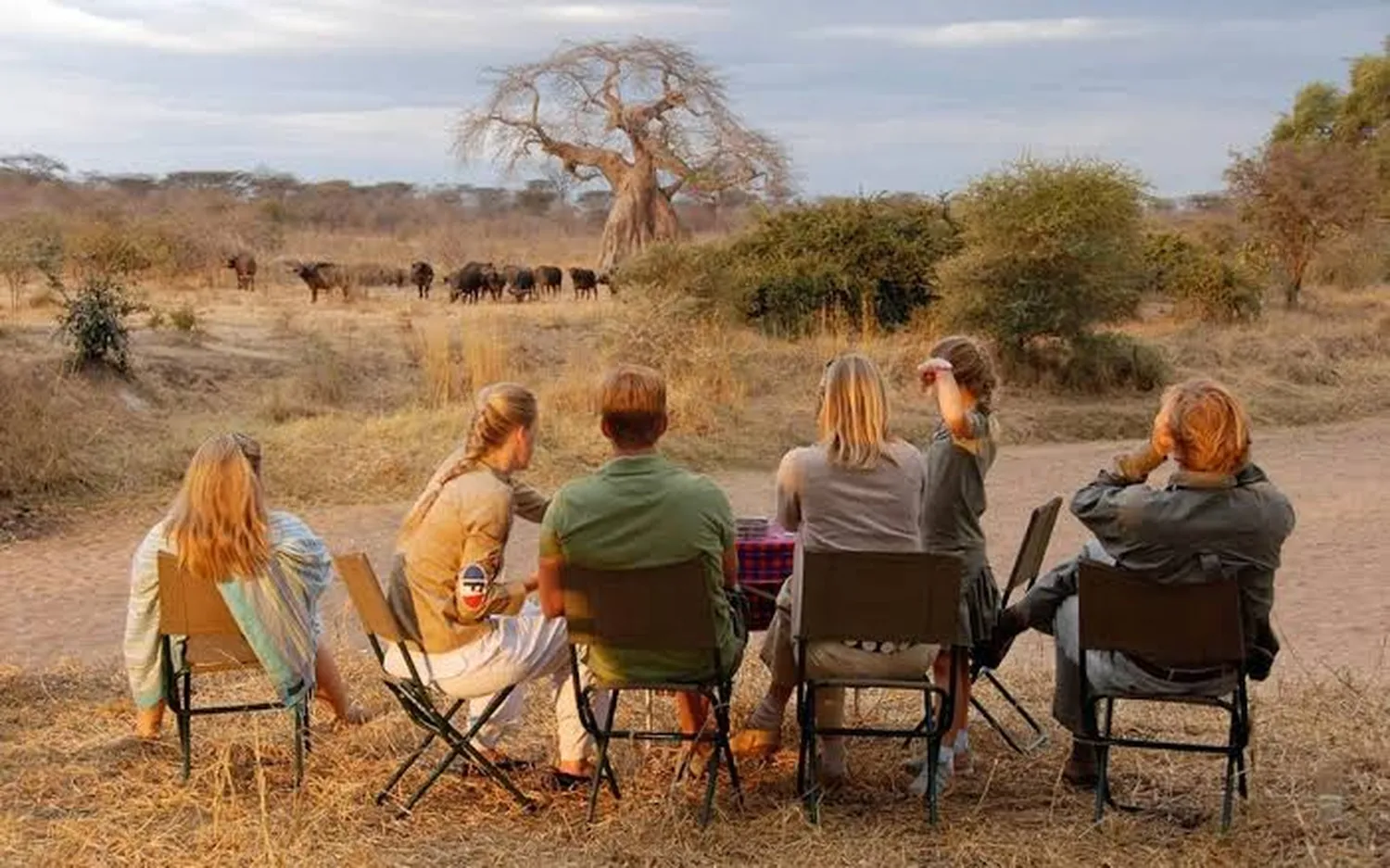
Planning a multi-generational adventure requires balancing exceptional wildlife encounters with the physical well-being of your loved ones. Figuring out how to select the safest and most comfortable travel months for a Tanzania family safari is the most critical step in your entire planning process. The right seasonal timing ensures mild daytime temperatures, low disease vectors, and smooth infrastructure conditions that keep both kids and grandparents energized.
Tanzania experiences distinct weather rhythms that profoundly influence the safety profile and physical comfort of its wilderness spaces. To make an informed decision, families must evaluate seasonal dynamics including temperature bands, precipitation levels, insect prevalence, and road track traction across East Africa's leading reserves.
Core Pillars of Family Safari Safety and Comfort
When measuring how well a particular month will suit young children or elderly relatives, look beyond just big-game visibility. True environmental comfort relies on three vital pillars:
- Thermal Comfort: Avoiding extreme afternoon heat exhaustion (over 32°C / 90°F) which rapidly triggers dehydration and irritability in younger children.
- Medical Safety: Minimizing exposure to standing surface water collections where female Anopheles mosquitoes thrive, lowering the relative local transmission risk of malaria.
- Transit Fatigue: Ensuring interior dirt tracking routes remain firm, preventing bumpy detours or vehicle immobilization incidents that turn game drives into stressful test-of-endurance events.
Planning Your Photography Setup Along with Family Comfort?
If you aim to balance photographic aspirations alongside mild weather, learning how to sync your calendar with ideal lighting conditions is essential.
Read More »The Peak Dry Season: July to October Breakdown
The clear consensus among medical professionals and experienced outfitters points to the winter dry window spanning from July through October as the optimal sweet spot for family safety and physical ease. During these months, the regional climate is characterized by clear skies, radiant sunshine, and cool evening breezes fueled by dry southeasterly winds.
Daytime maximum temperatures typically settle into a moderate 20°C to 26°C (68°F to 79°F) spectrum, completely eliminating oppressive tropical humidity. Because seasonal precipitation drops close to zero, seasonal waterholes evaporate, compelling diverse herds to congregate predictably around permanent river courses like the Tarangire River. Families can experience world-class game viewing with minimal driving time.
Crucially for child safety, the lack of standing water dramatically suppresses mosquito lifecycles, lowering the operational risk of insect bites. Dirt road conditions stay stable and dry, preventing the exhausting vehicle delays common during monsoon periods.
Top Tarangire Dry Season Strategies
To maximize elephant herd sightings in a short window while keeping your children perfectly rested, check out our localized park blueprint.
Read More »The Green Season: January to March Considerations
For families traveling with older kids or teens who can handle warmer mid-day conditions, the short dry spell from January to March offers a brilliant alternative. This period features highly dynamic wildlife events, including the synchronized calving of wildebeest herds across the southern Serengeti plains.
While afternoon temperatures rise slightly higher (averaging 28°C to 30°C), intermittent morning showers clear out dust, leaving behind exceptionally crisp air. However, the lush green brush provides extra camouflage for predators, requiring slightly longer and more focused tracking sessions.
Interested in the Great Rift Valley Bird Migration?
If your family is intrigued by wild avian spectacles rather than just large mammals, early months present an unbelievable birding window.
Read More »Months to Avoid with Young Children: An In-Depth Structural and Ecological Analysis
While Tanzania remains a premier global destination for wildlife enthusiasts, the transitional period encompassing the months of April and May presents multi-layered structural, logistical, and biological challenges that can severely compromise a family travel itinerary. This window marks the absolute zenith of the Masika—the long monsoon rains driven by the convergence of intertropical air masses. For senior citizens or families navigating the wilderness with young children, this season demands a level of physical resilience that often overshadows the rewards of the journey.
The Physics of Track Degradation and Vehicle Immobilization
The primary hazard during the peak monsoon months is the rapid degradation of unpaved backcountry tracks. Tanzania’s premier conservation areas, such as the Serengeti ecosystem and the Ngorongoro Conservation Area, are characterized by diverse soil compositions, including highly volatile black cotton soils (vertisols). These volcanic ash-derived soils possess extreme shrink-swell capacities. When dry, they are firm; however, upon saturation during April and May, they transform into deep, hyper-viscous mud traps.
Standard 4x4 safari vehicles, even those equipped with differential locks and heavy-duty mud-terrain tires, frequently experience loss of traction and structural high-centering in these conditions. For a family group, a vehicle immobilization event in a remote sector of a national park is not merely an inconvenience—it is a significant logistical crisis. It results in extended hours spent waiting for recovery vehicles, which completely disrupts feeding routines, medication schedules, and sleep patterns for toddlers and elderly relatives alike.
Biological Vectors and Elevated Pediatric Health Risks
From an epidemiological perspective, the extensive accumulation of surface water during April and May alters the local vector profile. The creation of temporary, stagnant pools across tracking corridors provides ideal breeding habitats for female Anopheles mosquitoes, the primary vectors for malaria transmission. While modern prophylaxis is highly effective, minimizing the absolute frequency of vector interactions remains the foundational pillar of pediatric travel safety.
Furthermore, the high humidity levels characteristic of the monsoon season accelerate physical exhaustion. Young children possess a higher surface-area-to-mass ratio than adults, making them significantly more vulnerable to rapid heat stress, dehydration, and climate-induced irritability. When combined with the dense vegetation common during the wet season—which forces safari guides to drive for longer intervals to locate wildlife—the overall physical toll on young travelers increases exponentially.
Navigating the Bumpy Remote Tracks Safely?
If you want to know how remote park infrastructure reacts during shifts in weather, explore our comprehensive Southern Circuit terrain blueprint.
Read More »Psychological and Behavioral Impacts on Children During Wet Monsoons
The behavioral dynamics of young children during long-duration vehicle travel are heavily dependent on immediate environmental stimuli. During dry months, the frequent spotting of large mammals keeps children visually engaged and mentally stimulated. Conversely, during April and May, the wildlife disperses away from fixed water sources because water is available everywhere. Animals also seek shelter in deep thickets to protect themselves from heavy downpours.
This dispersion results in long stretches of driving through dense bush with few wildlife sightings. For a young child, this lack of visual feedback rapidly leads to boredom, physical restlessness, and transit fatigue. Additionally, when heavy downpours force the vehicle’s pop-up roof and canvas windows to close, interior visibility drops significantly and humidity rises, which can trigger claustrophobia and motion sickness on uneven dirt roads.
Seasonal Metrics Comparison Matrix
The following comprehensive matrix provides a comparative analysis of environmental factors, operational safety parameters, and comfort metrics across Tanzania's primary safari seasons. This data is synthesized from regional meteorological archives and standard field outfitter logs to guide your family itinerary decisions:
| Travel Window | Average Temp | Malaria Risk Profile | Track Infrastructure State | Wildlife Density Focus |
|---|---|---|---|---|
| July – October (Peak Dry) | 20°C - 26°C (Cool/Dry) | Lowest (Minimal standing water) | Excellent (Firm dirt, high traction) | Maximum (Concentrated around permanent rivers) |
| November – December (Short Rains) | 27°C - 31°C (Warm/Humid) | Moderate (Intermittent showers) | Good (Occasional muddy slick patches) | Moderate (Dispersal into plains begins) |
| January – March (Green Season) | 28°C - 30°C (Mild/Clear) | Moderate (Low brush pools) | Fair to Firm (Dusty sections, stable tracks) | High (Serengeti Calving and predator activity) |
| April – June (Long Rains) | 26°C - 29°C (Heavy Monsoon) | Highest (Widespread standing water) | Challenging (Deep black cotton mud) | Low Concentration (Wide geographical dispersal) |
Regional Breakdown: Northern vs. Southern Circuit Safety
Geography plays a major role in choosing the safest travel window. The Northern Circuit (Serengeti, Ngorongoro, Tarangire) features higher elevations, which generally mean cooler evenings and lower insect pressure compared to lower-lying regions.
The Southern Circuit (Ruaha, Nyerere National Park) is more remote, hotter, and lower in elevation. While incredibly rewarding, it requires careful logistical planning, especially when traveling with children or elderly relatives.
Planning a Remote Southern Safari?
Families should exercise extra caution regarding remote tracks. Explore our deep dive on balancing safety in Ruaha and Nyerere during dry windows.
Read More »Health and Practical Logistics for Families
Selecting the safest month is the foundation, but pairing that choice with practical in-country habits ensures a worry-free experience for everyone:
- Pre-Travel Consultation: Visit a specialized travel medicine clinic at least 6 weeks before departure to secure age-appropriate malaria prophylaxis and verify routine vaccinations.
- Hydration Maintenance: Despite the mild feel of the dry season, the low humidity accelerates fluid loss. Ensure children drink bottled water consistently throughout daily game drives.
- Dust Mitigation: Dry season tracking can stir up fine dust on volcanic soil roads. Packing lightweight cotton scarves protects sensitive respiratory tracts during long outdoor excursions.
Frequently Asked Questions
Which specific month is absolutely the safest for toddlers?
July and August are optimal. Daytime temperatures are comfortably mild, roads are completely dry, and the risk of insect encounters drops to its lowest seasonal level.
Are safari parks closed during the heavy rainy season?
No, the main parks stay open year-round. However, April and May bring heavy rains that can flood low-lying tracking routes and cause severe vehicle delays, which isn't ideal for families.
Scientific & Official References
For further verified medical guidelines, local climate datasets, and official health updates on travel safety in East Africa, consult these resources: