





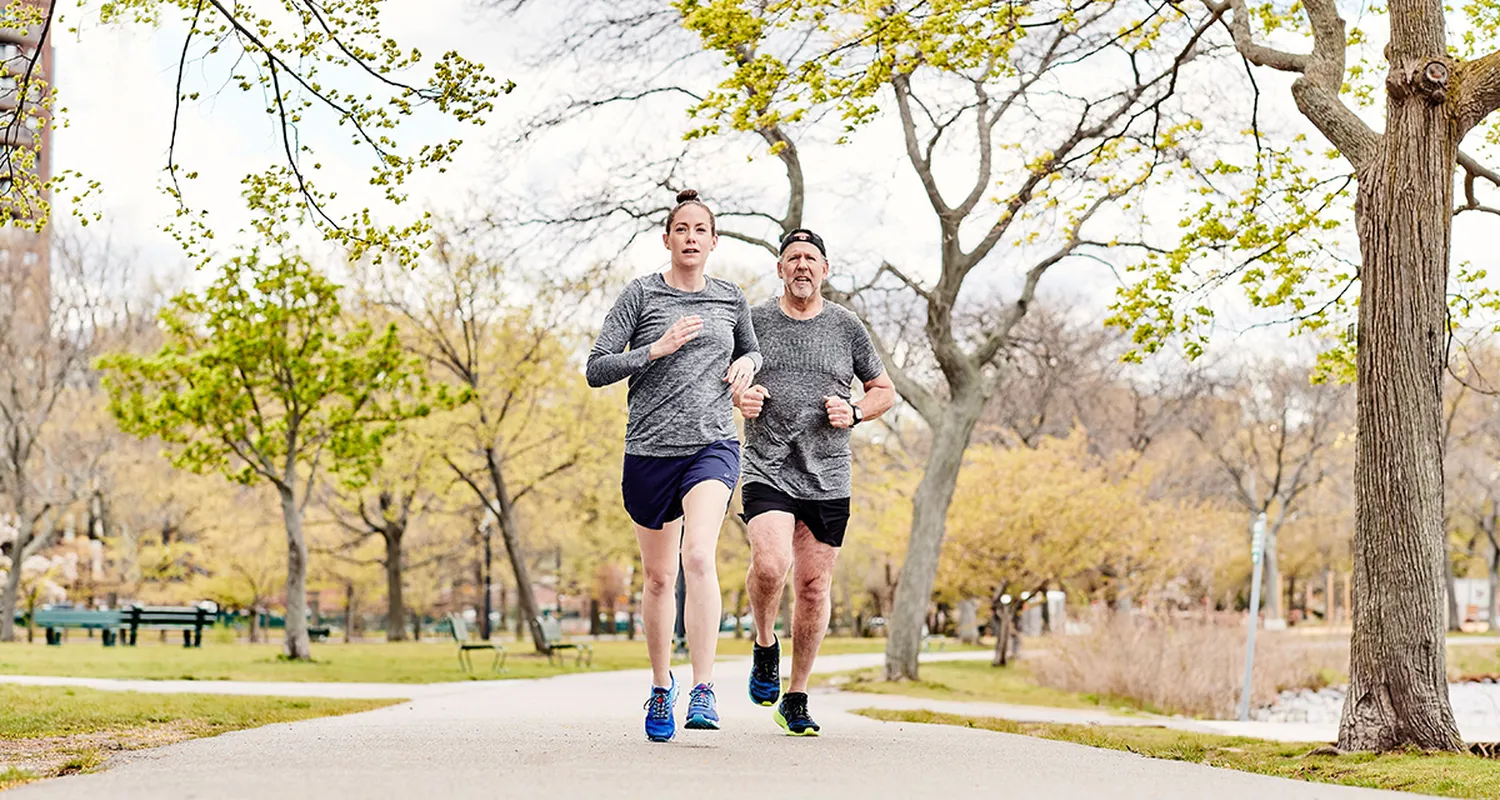
You don't need an expensive gym membership or even a local park to start your running journey. Mastering running tips for beginners at home is about using your space efficiently to build the cardiovascular strength and muscle endurance required for the road. In 2026, home-based athletic preparation has become a scientific way to prevent injuries before you even take your first outdoor stride.
The Advantage of Starting at Home
Starting at home allows you to focus on form without the pressure of others watching. It’s the perfect environment to implement fitness tips for beginners at home that target the core and legs. Research shows that runners who start with indoor conditioning reduce shin splint risks by up to 30%. By focusing on your base, you prepare your body for a more advanced running training plan for beginners once you move outdoors.
Indoor Running Drills & Techniques
Even in a small living room, you can simulate running mechanics. These drills improve your "cadence"—the number of steps you take per minute. For more intense variations, you might look into best running workouts for beginners that can be adapted for small spaces.
- High Knees: Lift your knees to hip height while pumping your arms. This builds hip flexor strength.
- Butt Kicks: Jog in place while bringing your heels to your glutes to stretch your quads.
- Lateral Bounds: Jump side-to-side to improve ankle stability, crucial for uneven outdoor terrain.
Comparison of Home Drills vs. Road Training
| Activity | Focus Area | Difficulty |
|---|---|---|
| In-place Jogging | Cardio Base | Low |
| Mountain Climbers | Core Stability | Moderate |
| Plyometric Jumps | Explosive Power | High |
Strength Exercises for Runners
Running is essentially a series of one-legged hops. Therefore, single-leg strength is vital. Integrating a full body workout plan at home helps balance your physique. Focus on these movements twice a week:
- Bodyweight Squats: 3 sets of 15 reps to build quad and glute power.
- Plank: Hold for 45 seconds to stabilize your spine during long runs.
- Calf Raises: Strengthen the lower leg to avoid Achilles issues.
If you want to transition into more endurance-focused training, learning how to run faster and longer starts with this functional strength foundation.
Nutrition and Hydration Basics
Even when training at home, your body needs fuel. Hydrate with at least 500ml of water 30 minutes before your drills. For recovery, focus on complex carbohydrates and lean proteins. Natural sources like bananas and oats are excellent for maintaining the energy needed for consistent training.
Frequently Asked Questions
Can I really get fit by running in place?
Yes. While it lacks the forward momentum of road running, jogging in place for 20-30 minutes effectively raises your heart rate and burns calories.
How often should I train at home?
Aim for 3 days a week. This allows your muscles and tendons to recover, which is critical for preventing beginner injuries.
Do I need shoes for indoor drills?
It is highly recommended to wear running shoes even at home to provide cushioning for your joints on hard floors.
Final Thoughts on Starting Your Journey
These running tips for beginners at home are your first step toward a healthier lifestyle. By focusing on indoor drills and strength, you are building a body that is resilient and ready for any challenge. Stay consistent, track your progress, and remember that every small effort at home leads to a major victory on the road.