





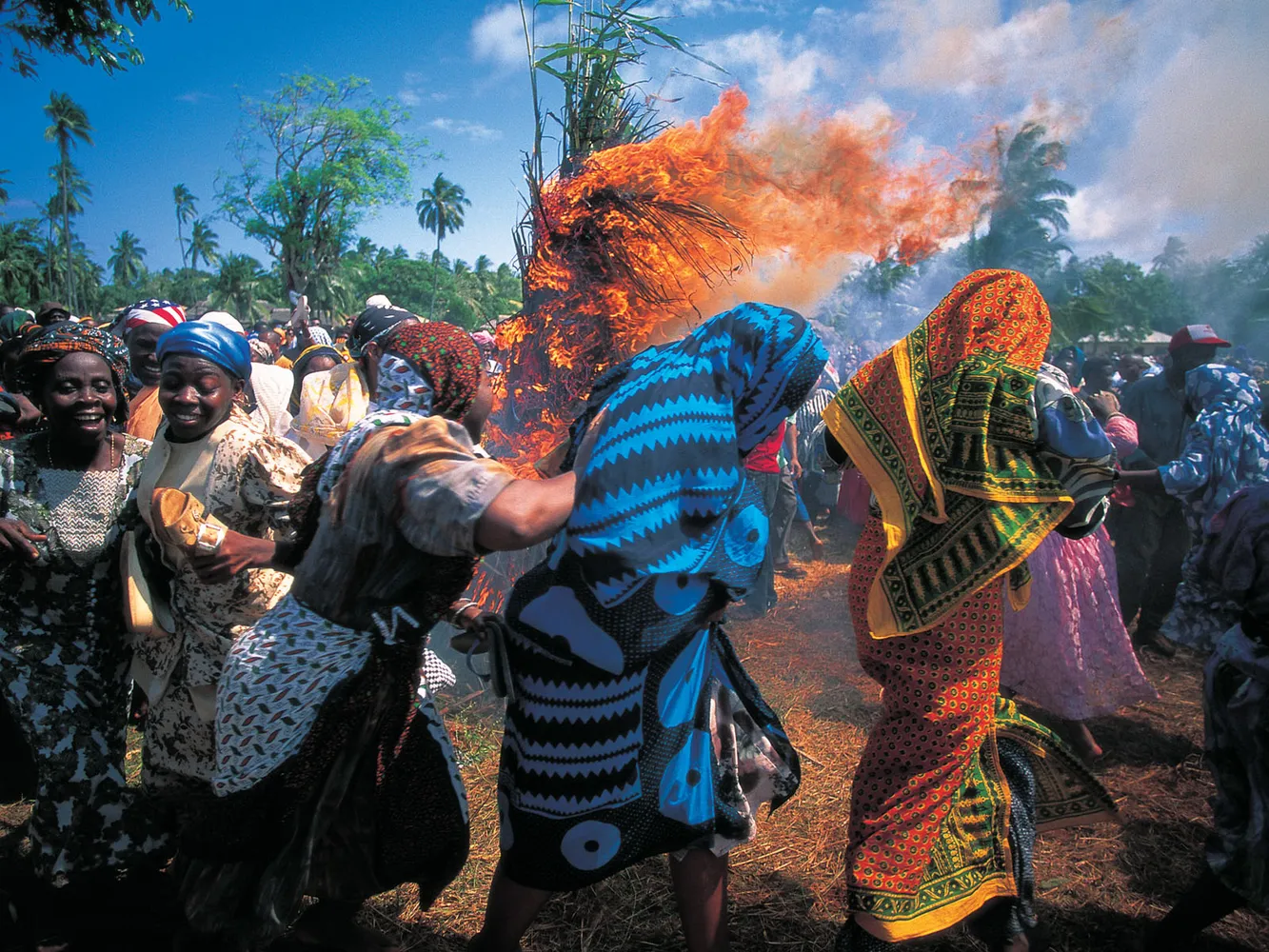
Zanzibar is a breathtaking archipelago known for its white-sand beaches, but its soul lies in the deep-rooted Swahili culture and Islamic traditions. To have a truly fulfilling experience, visitors must understand that the island is 99% Muslim. Knowing how to respect the local Swahili culture and religious customs isn't just about following rules; it's about building bridges with a community that prides itself on hospitality. Whether you are exploring Stone Town or relaxing in Nungwi, your awareness of local norms defines your relationship with the locals.
The Zanzibar Dress Code: Modesty is Key
In Zanzibar, clothing is a sign of respect. While beach resorts are relaxed, walking through Stone Town or local villages in swimwear is considered highly offensive. Men should avoid walking shirtless, and women are encouraged to cover their shoulders and knees. A simple way to blend in is to dress modestly while visiting Stone Town by carrying a light sarong to cover up when moving from the beach to public areas.
| Location | Appropriate Attire |
|---|---|
| Stone Town | Shoulders/Knees covered |
| Local Villages | Loose, modest clothing |
| Beach Resorts | Swimwear permitted |
Social Etiquette and Greetings
Swahili culture is deeply social. Always use your right hand for shaking hands, eating, or giving items, as the left hand is traditionally reserved for personal hygiene. It is also helpful to learn basic Swahili phrases like "Hujambo" or "Shikamoo" (respectful greeting for elders). Showing this effort goes a long way in gaining the respect of the Zanzibari people.
Religious Sensitivity and Ramadan
Islam is the backbone of Zanzibar. During the holy month of Ramadan, the majority of locals fast from dawn to sunset. Avoid eating or drinking in public spaces during daylight hours out of respect. Many local restaurants may be closed, so it is wise to find street food in Stone Town at night when the Forodhani Gardens come alive after sunset.
Photography and Privacy
Zanzibaris are generally private people. Always ask for permission before taking a photo of a local person. When dealing with locals, try to deal with beach boys or papasi politely if they offer services; a kind "Hapana asante" is better than ignoring them.
Public Behavior and Alcohol
Public displays of affection are considered inappropriate. Furthermore, while alcohol is available in tourist areas, being visibly drunk in public is a major taboo. If you are looking to save money while being respectful, you can enjoy Zanzibar on a budget by eating at local spots that follow these traditional norms.
Conclusion
By learning how to respect the local Swahili culture and religious customs, you transform from a mere tourist into a welcomed guest. Respect the "Pole Pole" pace of life, embrace modesty, and you will leave with memories and friendships that last a lifetime.