





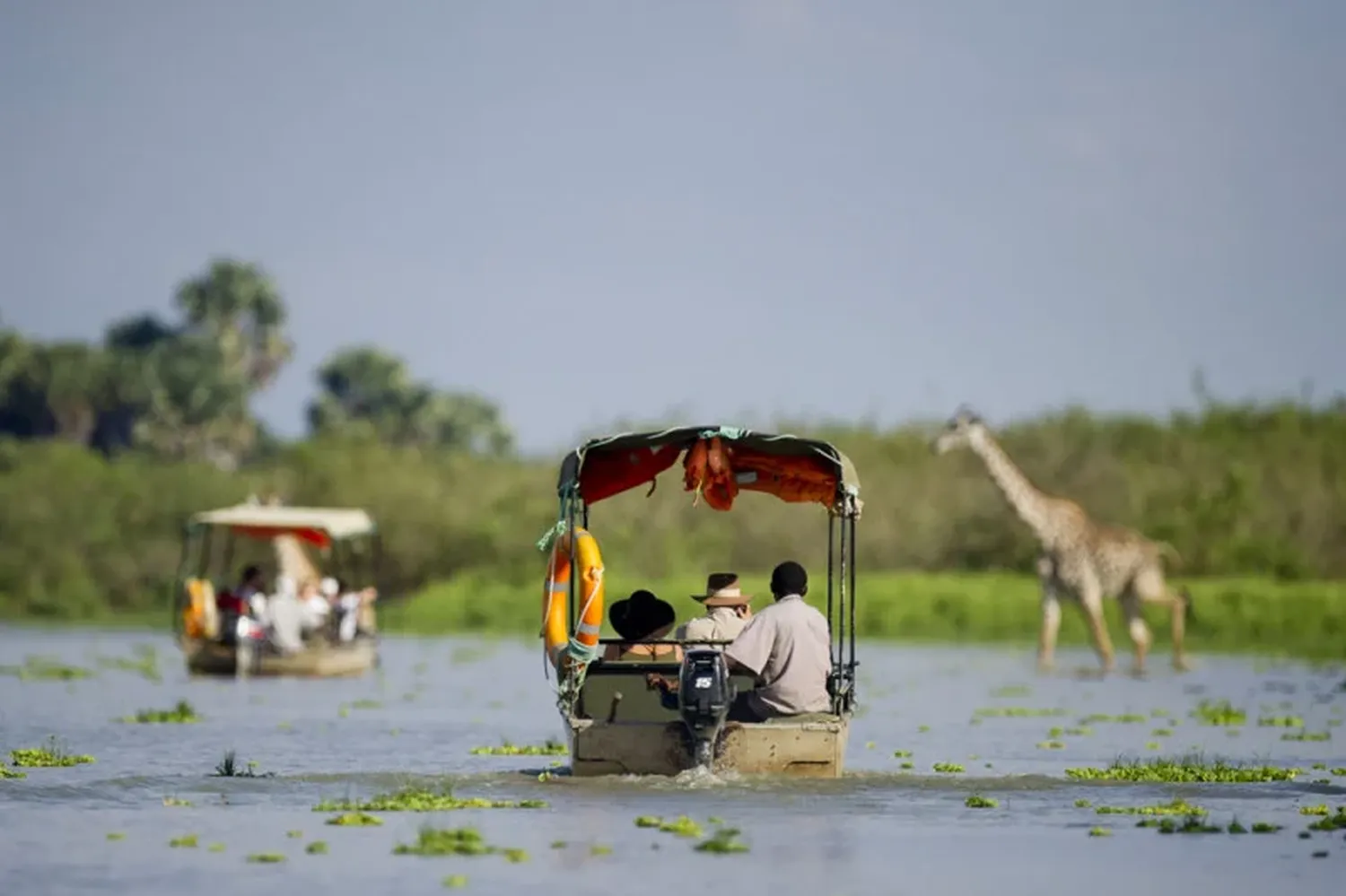
Planning a luxury itinerary into Tanzania’s wild Southern Circuit requires careful logistical preparation. Unlike the highly crowded northern parks, understanding how to plan a remote safari to Ruaha and Nyerere National Park during the dry season provides an authentic experience of old untamed Africa. This comprehensive guide covers flight configurations, wildlife density shifts, park budgets, and customized seasonal packing strategies to make your trip planning flawless.
Why Choose the Southern Safari Circuit?
Tanzania's Southern Circuit offers unmatched privacy compared to northern hotspots. Ruaha holds a staggering 10 percent of the world's remaining wild lion population, while Nyerere National Park (previously a major portion of the legendary Selous Game Reserve) protects massive river systems teeming with hippos, crocodiles, and endangered African wild dogs. When learning how to choose your travel season for the best photography lighting in Tanzania, professional shooters rank the dramatic dust clouds and brilliant sunsets of these southern expanses as top-tier choices.
Furthermore, the lack of vehicular congestion completely alters the safari dynamic. In the south, you can spend hours observing a predator sighting without another safari vehicle in view. This remoteness fosters an intimate connection with nature that has largely disappeared from more commercial destinations. To truly grasp the scale of this wilderness, we must examine the core ecological and logistical pillars that make the Southern Circuit an elite choice for modern adventurers.
1. Extreme Low Vehicle Density and True Exclusivity
Unlike the northern parks where multiple vehicles frequently cluster around a single predator sighting, the Southern Circuit operates on a scale of profound isolation. It is common to manage a four-hour morning game drive in Ruaha or Nyerere without encountering a single outside vehicle. This low density reduces acoustic pollution, allowing travelers to experience the natural soundscapes of old Africa and observe completely undisturbed animal behaviors.
2. Home to the Continent’s Largest Strongholds of African Wild Dogs
Nyerere National Park stands as one of the last remaining critical sanctuaries for the highly endangered African wild dog (Lycaon pictus). The vast, uninterrupted woodlands and complex riverine thickets provide these apex pack hunters with the massive home ranges they require to survive. Observing a pack strategize a high-speed hunt across the alluvial plains is a rare privilege that is practically non-existent in more congested parks.
3. Dynamic Multi-Dimensional Water Safaris on the Rufiji River
While traditional safaris restrict you strictly to a 4x4 vehicle, Nyerere National Park introduces an entirely new dimension through its boat safaris. Navigating the sweeping currents of the Rufiji River allows you to glide silently past colossal pods of hippos and sun-basking crocodiles. This unique water perspective brings you closer to riverine bird species and thirsty elephants drinking right at the water's edge.
4. Raw, Unfenced Walking Safaris Led by Expert Trackers
Ruaha National Park is world-renowned for its uncompromising approach to walking safaris. Stepping out of the vehicle and exploring the terrain on foot completely re-tunes your senses. Under the protection of an armed TANAPA ranger and an indigenous tracker, you learn to read the fine details of the bush—interpreting fresh predator paw prints, identifying subtle alarm calls, and understanding micro-ecosystems.
5. Dramatic Landscapes Sculpted by Ancient Baobabs and Sand Rivers
The botanical architecture of the Southern Circuit is visually breathtaking. Ruaha is a semi-arid plateau dominated by thousands of ancient, giant baobab trees that have stood for centuries, silhouetted against a stark, deep blue sky. These combine with massive sand rivers that dry up completely during the dry season, creating golden pathways utilized by elephants and pride units of lions alike.
6. A Vital Ecological Crossroads of East and Southern African Species
Ruaha occupies a unique geographical position where the flora and fauna of East Africa overlap seamlessly with those of Southern Africa. This ecological transition zone means it is the only place in Tanzania where you can spot both the Greater and Lesser Kudu, alongside majestic Sable and Roan antelopes. The biodiversity here is a goldmine for researchers, birdwatchers, and wildlife enthusiasts.
7. Massive Predator Densities and Mega Pride Configurations
Due to the abundance of large prey species like Cape buffaloes, the lion prides in Ruaha are uniquely massive—often numbering over 20 to 30 individuals per pride. These mega-prides have developed specialized, highly strategic hunting techniques to bring down massive targets. The high concentrations of leopards hiding in the riparian canopies and cheetahs patrolling the open plains make the south an unmatched predator hotspot.
8. Sustainable and Low-Impact Eco-Tourism Infrastructure
The philosophy of the Southern Circuit focuses heavily on high-value, low-impact eco-tourism. The tented camps and luxury lodges are purposely small, lightweight, and built using sustainable local materials. Many properties operate completely off-grid using advanced solar arrays and zero-plastic policies. This ensures that your travel footprint remains minimal while funneling vital conservation funds directly into protecting these wild habitats.
Determining Your Perfect Dry Season Window
The dry season across Tanzania's Southern Safari Circuit spans firmly from late June through the end of October, presenting a climatic shift that completely transforms the topography, animal behavioral patterns, and tracking dynamics of both Ruaha and Nyerere National Parks. During these critical dry months, regular precipitation drops to absolute zero, causing the humidity of the coastal river basins to decrease and prompting the thick, untamed alluvial shrubs, elephant grass, and miombo woodlands to wither away completely. This dramatic collapse of the dense vegetation canopy eliminates the natural camouflage of the bush, forcing wildlife out of the deep, formerly inaccessible interior hinterlands and drawing them straight into plain view along the surviving perennial water arteries.
Selecting your specific travel dates within this dry window requires a sophisticated understanding of how minor temperature variations and water scarcity metrics influence predator-prey interactions. While the entire season guarantees exceptional game viewing, the transition from the early cool dry months to the intense, arid peak of late October dictates completely different daily routines for both the animals and the safari guides tracking them. To optimize your itinerary for the highest possible wildlife yield, let us examine the ten distinct micro-seasons, ecological transformations, and tactical advantages that define the perfect dry season window.
The June Transition and Early Dry Season Realities
As May’s long rains completely recede, June acts as the definitive bridge into the dry cycle. During this early phase, the landscape remains structurally lush and vibrant green, showcasing stunning aesthetic backdrops that are highly favored by landscape photographers. However, because surface water is still widely distributed in small seasonal depressions and hidden clay pans throughout the interior miombo woodlands, herds of elephants, impalas, and giraffes are not yet restricted to the main rivers. Tracking requires more active exploration and bushcraft from your guide during this period, as animals are highly dispersed, enjoying the lingering abundance of nutritious green browse before the intense heat sets in.
The Collapse of Natural Camouflage and Canopy Thinning
By mid-July, the absence of rainfall triggers a massive moisture evacuation from the soil and plant tissues. Thick acacia bushes, combretum scrublands, and multi-layered riverine thickets begin to shed their leaves rapidly, dropping their dense foliage to the ground. This structural thinning of the bush works heavily in the traveler’s favor. Predators like leopards, which rely entirely on dense arboreal camouflage to ambush their prey, find their hiding spots highly exposed. Safari vehicles can achieve vastly extended lines of sight, allowing guides to spot lions resting under low thorn bushes from hundreds of meters away—an architectural impossibility during the preceding wet months.
The Concentration Phenomenon Along Perennial River Banks
As August progresses, the vast network of seasonal streams, seasonal mud holes, and temporary water catchment basins completely evaporates under the unyielding equatorial sun. This forces a massive, synchronized migration of wildlife toward the permanent water systems. In Nyerere National Park, animals converge in staggering numbers along the sweeping banks of the Great Rufiji River and its interconnected network of five major oxbow lakes. In Ruaha, the ecosystem relies entirely on the dwindling flows of the Great Ruaha River. This concentration phenomenon creates a reliable wildlife viewing dynamic where travelers no longer need to search for the animals; instead, you simply park along the riverbanks and watch the entire ecosystem come to you.
Subterranean Sand River Excavations by Elephant Herds
In the high plateau of Ruaha, the dry season produces a fascinating geological and behavioral spectacle as major rivers like the Mwagusi, Jongomeru, and the Great Ruaha itself dry up into vast, shimmering channels of deep sand. To survive, multi-generational herds of elephants utilize their evolutionary design—using their powerful forelimbs and sensitive trunks to dig deep, vertical shafts into the dry riverbeds. This sophisticated excavation taps into clean, cool subterranean water tables flowing beneath the sand. These hand-dug elephant wells become vital life-support stations for the entire ecosystem, as smaller mammals, birds, and even opportunistic baboons wait patiently in line to drink from the water left behind by the departing pachyderms.
The Rise of Mega-Pride Hunting Dynamics in Peak September
September represents the absolute pinnacle of predator-prey density and high-stakes hunting action. Because massive herds of Cape buffalo must drink daily, they are forced to march in tightly packed columns of hundreds or even thousands of individuals down to the remaining river pools. Ruaha’s famously large lion prides—some numbering up to thirty synchronized individuals—position themselves strategically along these riverine ambush corridors. The dry, brittle ground allows lions to stalk silently without rustling green leaves, while the dust clouds kicked up by the massive buffalo herds provide perfect tactical cover for coordinated daylight ambushes, offering travelers front-row seats to raw evolutionary battles.
Aquatic Territorial Warfare in the Narrowing Rufiji Channels
As the water volume within Nyerere’s complex river systems shrinks to its lowest seasonal levels in late September, the available aquatic territory for large mammals diminishes drastically. Massive pods of hippopotamuses, which were previously spread out across expansive floodplains, are forced into exceptionally tight, overcrowded pools. This spatial compression triggers intense, brutal territorial wars among dominant bull hippos, resulting in dramatic vocal roaring displays, massive jaw-clapping confrontations, and high-energy water splashes. Simultaneously, giant Nile crocodiles gather in unprecedented concentrations around these shallow pools, waiting to trap catfish or ambush thirsty antelopes navigating the muddy banks.
October’s Intense Thermal Dynamics and Photography Lighting
October brings a significant rise in daily ambient temperatures, often pushing past thirty-eight degrees Celsius before the arrival of the short relief rains. This intense heat creates powerful thermal currents and pushes the African wilderness to its absolute ecological limits. The atmosphere becomes heavily laden with fine, golden dust particles kicked up by passing herds. For professional and amateur photographers, this airborne dust acts as a spectacular natural filter, diffusing the harsh midday sun and creating an ethereal, deeply saturated golden glow during the early morning and late afternoon hours. The sunsets during October are legendary, painting the southern sky in deep shades of crimson, violet, and burnt amber.
The Avian Congregation and Carmine Bee-Eater Nesting Season
For birdwatchers and ornithological researchers, the late dry season window offers a spectacular event that completely rivals the mammalian viewing. As the riverbanks of the Rufiji and Great Ruaha rivers become completely exposed and dry, thousands of migratory and resident bird species gather along the banks. October marks the arrival of the magnificent Southern Carmine Bee-eaters. These brilliantly colored, rose-pink and turquoise birds excavate deep nesting tunnels straight into the sheer, vertical muddy cliffs of the rivers. Watching thousands of these birds sweep through the air simultaneously to catch insects creates a dazzling display of color against the pale, dry background of the African bush.
Optimal Navigation Conditions and Full Wilderness Access
From a logistical and driving perspective, the peak dry season months ensure that virtually every square kilometer of these massive reserves is fully accessible to custom 4x4 safari vehicles. During the wet months, the heavy black-cotton soils of Nyerere and the steep clay valleys of Ruaha become completely impassable, limiting game drives to a few elevated gravel tracks. By August and September, the ground is baked rock-hard, allowing expert guides to safely navigate deep into the remote, off-the-beaten-path sectors of the parks where elusive species like cheetahs, leopards, and rare roan antelopes roam undisturbed.
The Tsetse Fly Suppression and Enhanced Traveler Comfort
A highly practical yet frequently overlooked benefit of targeting the peak dry season window is the drastic reduction in insect populations, particularly the persistent tsetse flies (Glossina). Tsetse flies rely heavily on high humidity, damp shade, and dense green thickets to breed and thrive. As the dry season progresses and humidity levels drop significantly, the fly populations experience a massive natural crash. The surviving insects retreat deep into a few isolated shade pockets, making open-vehicle game drives, outdoor bush dinners, and extended walking safaris vastly more comfortable and relaxed for travelers exploring these remote wilderness expanses.
This timing also mirrors the peak period for neighboring parks, making it simple to research how to maximize wildlife spotting in Tarangire during the peak dry season if you wish to expand your cross-country safari journey.
Flight Logistics and Internal Airstrip Connections
Because these reserves are located hundreds of kilometers apart over deeply rutted wilderness, driving between them is highly impractical. The primary rule of how to plan a remote safari to Ruaha and Nyerere National Park during the dry season is to utilize light aircraft fly-in options. Scheduled services operate seamlessly from Dar es Salaam International Airport (DAR) or Zanzibar (ZNZ).
| Flight Route Segment | Approx. Flight Duration | Primary Aircraft Types |
|---|---|---|
| Dar es Salaam to Ruaha Airstrip | 1 Hour 30 Minutes | Cessna Grand Caravan |
| Ruaha to Nyerere (Mtemere/Siwandu) | 1 Hour 45 Minutes | Embraer / Caravan |
| Nyerere to Dar es Salaam | 45 Minutes | Cessna Grand Caravan |
These flights have a strict luggage weight limit of 15 kg (33 lbs) per passenger, which must be packed inside soft-sided duffel bags to fit into small cargo pods. Rigid, wheeled suitcases will be rejected at the domestic terminals due to safety configurations.
Ruaha vs. Nyerere: Comparing the Ecosystems
A balanced, high-yield itinerary pairs these two distinct wilderness habitats to enjoy completely contrasting landscapes and activities.
Ruaha National Park: A high, semi-arid plateau populated by ancient baobabs, sweeping rocky hills, and deep sand rivers. The activities center completely around long, rugged 4x4 game drives and epic multi-hour guided bush walks. It is an excellent add-on if you have previously mastered how to select the safest and most comfortable travel months for a Tanzania family safari and want a wilder, raw setting.
Nyerere National Park: A low-lying, complex riverine basin characterized by the immense, twisting Rufiji River, palm-fringed oxbow channels, and dense lake systems. Here, the traditional game drives are beautifully broken up by scenic motorboat safaris, water-based bird watching, and tranquil fishing expeditions.
Dry Season Wildlife Behavioral Dynamics
Understanding ecological stress patterns during the dry season drastically increases your tracking success. In Ruaha, as peripheral watering holes vanish, elephants engage in sophisticated excavation behaviors, digging into the sandy beds of dry rivers to tap clean, filtered water subterranean layers. This brings them into daily direct contact with pride clusters of lions waiting patiently in the surrounding riverine thickets.
In Nyerere, the drying channels narrow down the habitable aquatic paths for hippos and crocodiles. Massive territorial clashes break out continuously among pod leaders, providing exceptional photographic opportunities. For avid birders, this seasonal contraction concentrates endemic waders, African skimmers, and colonies of brilliant carmine bee-eaters directly along the exposed sandbanks.
Step-by-Step Planning Guide
- Lock In Your Flights Early: Small regional carriers use aircraft with limited seating. Book your bush flight tokens 6 to 9 months ahead.
- Select Unfenced Tented Camps: Choose mid-scale or high-end properties built on raised platforms along major rivers to watch game directly from your private terrace.
- Secure Certified Local Guides: Remote tracking demands expert eyes. Ensure your package includes a high-level resident tracker licensed by the Tanzania National Parks Authority (TANAPA).
- Obtain Health Clearance: Consult a travel clinic for anti-malarial courses and verify your Yellow Fever documents if entering via specific stopover regions.
Essential Remote Wilderness Packing List
Since bush planes have restricted weight allowances, focus on durable, multi-use wilderness gear:
- Light cotton and linen clothing in muted safari shades (khaki, tan, olive). Avoid dark blue and black, which attract pesky tsetse flies.
- A rugged, high-output headlamp or portable flashlight for walking around unfenced camps safely at night.
- High-magnification binoculars ($8\times42$ or $10\times42$ optics) to spot far-off riverbank predators and unique raptors. For those fascinated by avian life, check out how to catch the spectacular bird migration season in Tanzania’s Great Rift Valley to plan a future specialized trip.
- Broad-spectrum reef-safe sunscreen, maximum-strength DEET insect repellent, and lightweight polarized sunglasses.
Frequently Asked Questions
Is it possible to drive to Ruaha and Nyerere from Dar es Salaam?
While technically possible via 4x4 vehicles, the drive to Ruaha takes roughly 10 to 12 hours over challenging terrain. Flying saves days of travel time and keeps you fresh for game viewing.
How much budget should I allocate for a Southern Circuit remote fly-in safari?
All-inclusive premium remote fly-in safaris generally range between $650 and $1,500 per person per night. This includes luxury bush lodging, internal charter flights, national park fees, all meals, and daily guided excursions.
Can I see the Big Five in Ruaha and Nyerere during the dry season?
You will encounter massive densities of lions, leopards, buffaloes, and elephants. However, rhinos are critically endangered and intensely protected in hidden zones, meaning sightings are exceptionally rare.
References & Industry Sources
This planning framework aligns closely with official tourism updates and wildlife management parameters supplied by the Tanzania Wildlife Research Institute (TAWIRI) and international ecotourism guidelines designed to protect remote wilderness habitats across East Africa.
Conclusion: Master Your Southern Tanzania Safari Adventure
Understanding how to plan a remote safari to Ruaha and Nyerere National Park during the dry season allows you to enjoy one of the finest, least crowded wildlife experiences on Earth. By matching internal bush flights with seasonal river concentrations, you unlock a raw safari experience that will stay with you for a lifetime.