





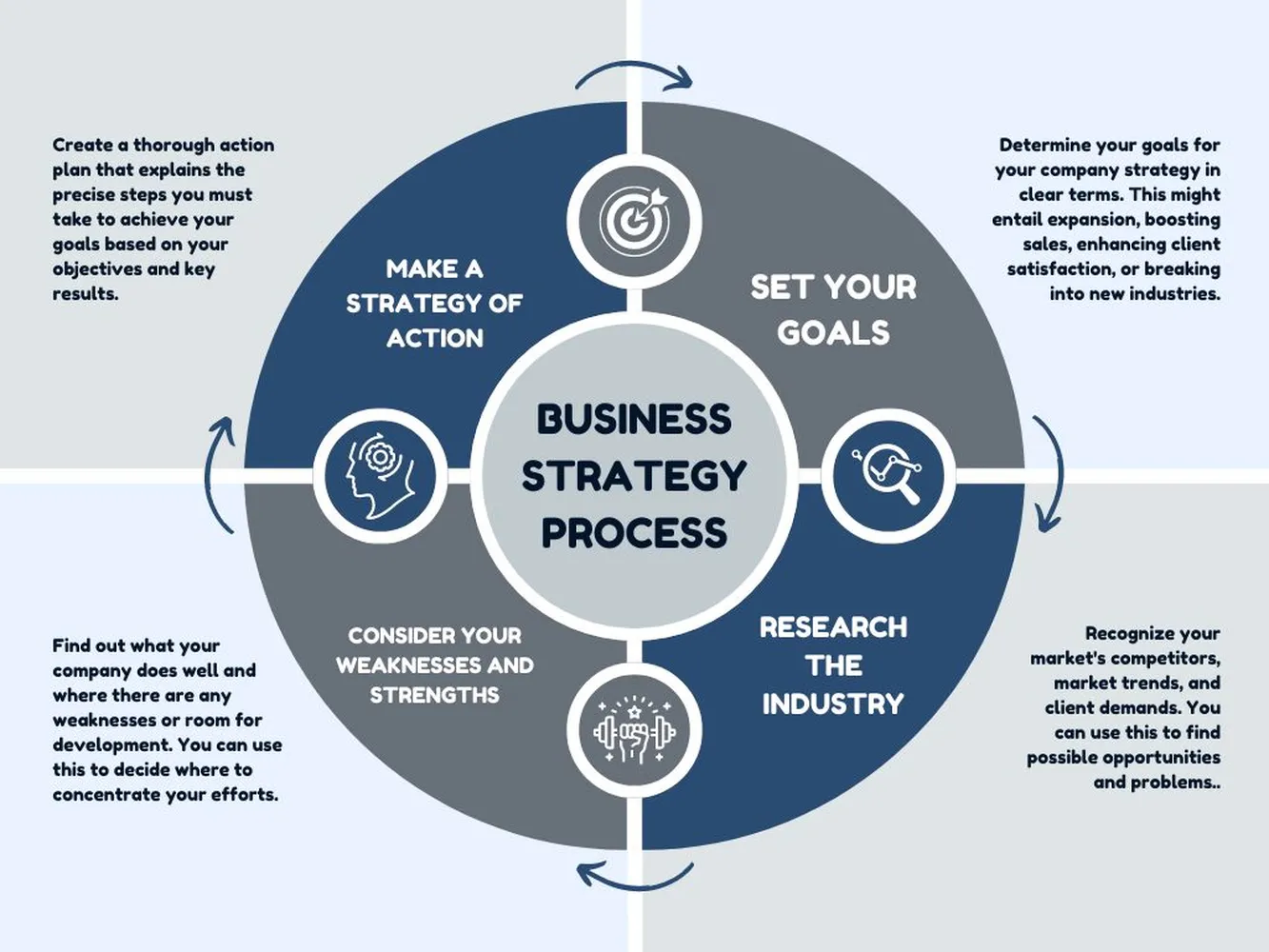
Securing investment capital and achieving scalable growth in competitive modern spaces requires an ironclad, data-driven operational blueprint. Learning how to write a professional business plan for a tech startup enables founders to transform ambitious technical software models into highly structured, fundable market platforms. By highlighting true market validation, clear cloud architecture, and tight financial constraints, early-stage ventures can capture angel investor trust and align cross-functional development tasks early on.
Executive Summary: Capturing Venture Capital Trust
The executive summary forms the front door of your tech startup strategy. It handles the initial pressure test from potential venture groups and banking partners who view dozens of portfolios weekly. Instead of using vague taglines, your introductory statements must clearly define the precise marketplace problem, your specific software solution, and immediate target user milestones within thirty seconds.
A professional plan balances technical development goals with clear market distribution rules. Founders should align their early-stage frameworks with formal registration steps. Once you know how to register a new business and obtain necessary licenses safely, your business plan reflects an entity that is structured properly to receive professional seed-round investments immediately.
| Core Metric Focus | Target Standard | Primary Investor Benefit |
|---|---|---|
| CAC to LTV Ratio | 1:3 Minimum Ratio | Proves predictable, long-term profit margins |
| Cash Runway target | 18 - 24 Months | Guarantees product development breathing room |
| TAM Reach Scope | $500M+ Market Base | Demonstrates high-growth enterprise scaling capacity |
Defining Your Technical Architecture & Scale Strategy
Tech plans must detail the underlying platform architecture cleanly to pass strict investor due diligence. Clearly outline your choices regarding cloud hosting infrastructure, development frameworks, and database safety systems. Highlighting your core technology architecture gives investors confidence that your product can scale reliably without needing total code rewrites later on.
As your user base scales up, your internal operational systems must adapt in parallel. Founders often explain within their strategic roadmaps how they will use specialized software workflows to minimize manual management overhead. Documenting exactly how to automate business operations using custom software shows a commitment to maintaining thin operating expenses as enterprise volumes expand across regional markets.
Market Analysis & True Customer Pain Points
Vague assumptions can quickly sink an early-stage venture. Your market section must display verifiable evidence that target customers face significant bottlenecks and are actively looking for alternative workflows. Break down your total addressable market (TAM), serviceable addressable market (SAM), and your direct serviceable obtainable market (SOM) using current regional statistics.
The plan should also document how your business will capture daily transactional records from day one. Showing that your platform integrates clean analytics models validates your growth strategy. Explaining how to integrate a digital receipt system for a small business efficiently highlights your readiness to capture granular customer behavioral metrics that optimize future sales funnels seamlessly.
Financial Modeling, Forecasts & Operational Cash Management
Your financial section must bridge the gap between technical milestones and strict bottom-line metrics. Outline your complete pricing strategy—whether through corporate software-as-a-service (SaaS) tiers, dynamic user fees, or premium usage models. Provide highly transparent 5-year projections that track cost of goods sold (COGS), cloud hosting fees, customer acquisition costs (CAC), and engineering salary pools.
Furthermore, prove that your leadership team maintains tight controls over all daily storage components and workspace systems. For tech groups deploying hardware options or connected IoT devices, learning how to reduce operational costs through efficient inventory management cuts out wasteful overhead spending early. This professional approach to resource management is highly valued by global oversight networks like the U.S. Small Business Administration (SBA), proving your startup can manage seed funding responsibly.
Frequently Asked Questions
Should a tech startup draft a traditional plan or a Lean Canvas blueprint?
Use a single-page Lean Canvas for fast internal testing, but always compile a comprehensive business plan document when pitching institutional investors or pursuing corporate bank lines.
How do you outline product development milestones if the software is unbuilt?
Map your engineering pipeline out as an explicit timeline toward a Minimum Viable Product (MVP), highlighting clear alpha testing dates, beta rollouts, and your launch deadlines.
How often should startup teams review their core financial plan projections?
Compare real expenses against your plan monthly to adjust your spending runway. Update the broad strategic document annually to match shifts in competitor technology landscapes.
Conclusion: Execute an Investable Growth Blueprint
Mastering how to write a professional business plan for a tech startup serves as your foundation for securing investment capital and scaling efficiently. By documenting real market demands, structuring precise tech architectures, and mapping out transparent operational budgets, you give your enterprise clear direction. Use this structural blueprint today to turn your technical software solutions into a highly valuable, market-leading enterprise.