





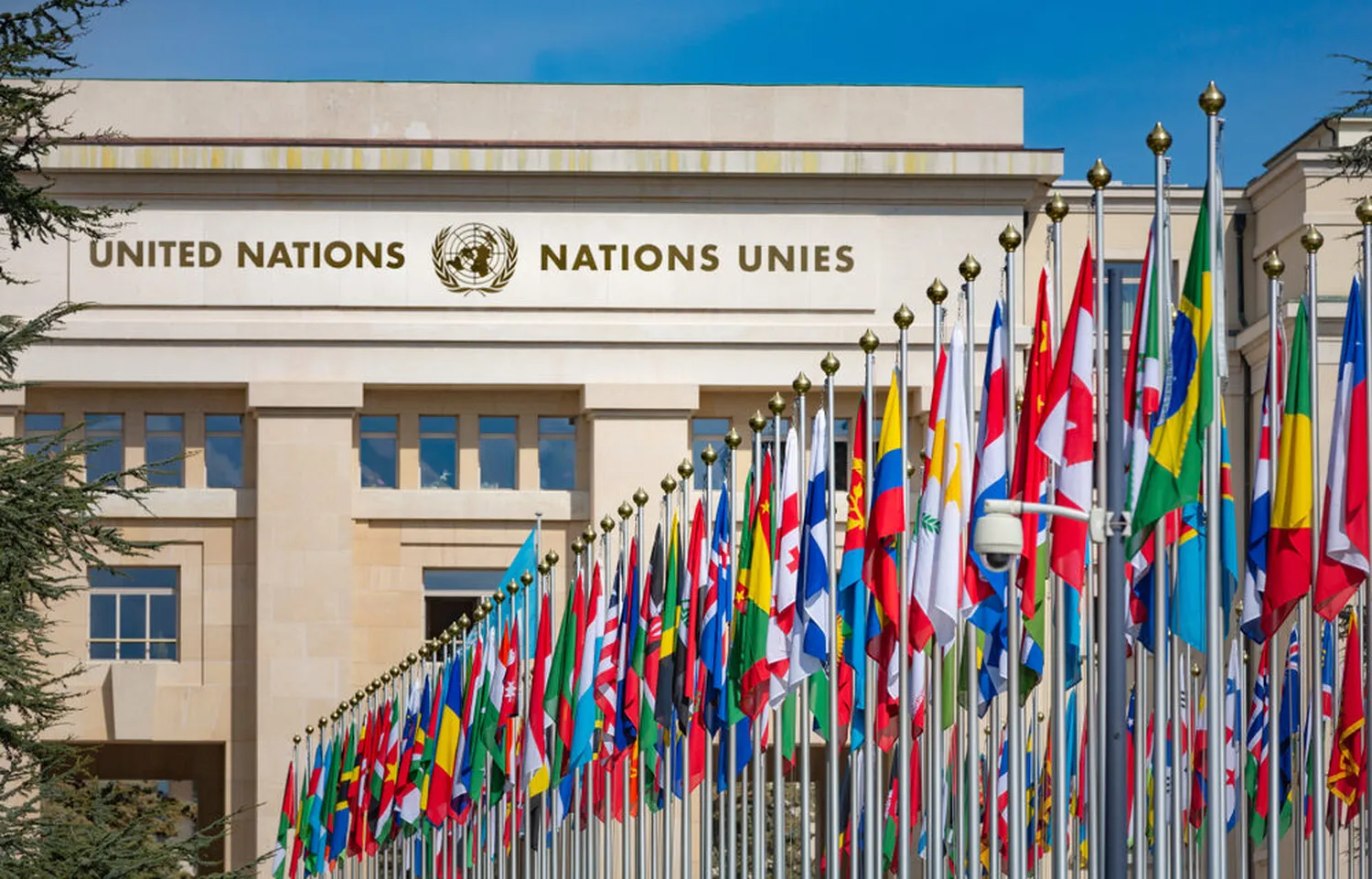
Securing a position within the United Nations Department of Political and Peacebuilding Affairs (DPPA) is one of the most prestigious achievements for professionals in diplomacy and international relations. Working in this sector involves analyzing global security trends, managing electoral help missions, and coordinating international diplomatic actions. This comprehensive roadmap details how to work for the United Nations (UN) political affairs, tracking the essential credentials, hiring platforms, and strategic methods required to break into this field.
What is the UN Political Affairs Division?
The Political Affairs staff serves as the primary intelligence and advisory backbone of the UN Secretariat. Officers monitor global regional trends to prevent brewing border conflicts, provide tailored strategic insights directly to the Security Council, and support international peace missions. This dynamic department plays an active role when managing or tracking complex transitions worldwide.
When severe cross-border disruptions surface, these units work to restore open governmental links. For example, during deep institutional shutdowns, political specialists coordinate with digital experts to evaluate security measures and implement methods on how to bypass social media censorship in election periods. This collaborative approach keeps verification lines moving between civilian observers and the UN Secretariat.
Primary Entry Pathways for Aspiring Officers
Securing a job within the UN system depends on your career level and age bracket. The recruitment system relies on distinct, structured access tracks designed to filter worldwide applications effectively.
| Program Track | Experience Level | Age Ceiling |
|---|---|---|
| UN YPP | Entry Level (P-1/P-2) | 32 Years Old |
| JPO Program | Early Career Professionals | Usually 32 |
| Direct Hire | Mid to Senior (P-3 to P-5) | No Upper Limit |
- The Young Professionals Programme (YPP): A yearly examination track for young, qualified professionals from participating nations holding at least a relevant first-level university degree.
- Junior Professional Officer (JPO): Sponsored directly by specific member state governments, this path provides early-career professionals with hands-on exposure to structural UN assignments.
- Direct Professional Applications: Mid-career professionals with significant local expertise can apply directly for open positions via the official UN hiring framework.
In regions impacted by shifting security environments, local staff monitor dangerous information trends. These regional teams apply practices like how to report political misinformation on social media to maintain clear public information records, helping secure regional stabilization efforts.
Key Academic and Experience Standards
To stand out among thousands of global applicants, your academic and professional history must follow strict UN guidelines. Reviewing these requirements early ensures you align your career development with what the department expects.
Candidates need an advanced university degree (Master's degree or higher) in fields such as Political Science, International Relations, Law, Public Administration, or related humanities. Strong language skills are equally critical. You must have full professional fluency in at least one of the working languages of the UN Secretariat: English or French. Gaining working knowledge of another official UN language (Arabic, Chinese, Russian, or Spanish) provides a distinct competitive advantage during selection panels.
Field experience in sensitive environments is highly valued. Candidates who have researched unstable border transitions understand how to navigate regional crises. For deep background checks, field researchers often master methods like how to use open source intelligence (OSINT) to track geopolitics to verify localized information patterns before recommending structural policy choices.
Navigating Inspira and the Interview Process
All official applications for Secretariat roles go through the centralized online portal known as Inspira. Your profile serves as your initial evaluation tool, so it must be filled out with care and precision.
When drafting your Personal History Profile (PHP), use clear, results-driven descriptions that match the specific core competencies listed in the job opening. The screening process relies on automated filtering systems that search for specific keywords related to policy drafting, crisis management, and diplomatic reporting. If your profile passes this initial stage, you will face rigorous technical exams followed by a structured competency-based interview panel.
"UN interviews use specific behavioral questions. You will need to explain past workplace examples that prove your ability to remain neutral and productive under intense political pressure."
At the same time, if your career focus shifts toward direct protection roles, it helps to understand related international pathways. Reviewing systems like how to apply for political asylum in the US provides useful legal context on how different member states protect vulnerable groups during active regional crises.
What to Expect on the Job
Working in political affairs requires adaptability and professional resilience. Field officers often work directly within multi-dimensional peacekeeping missions, reporting from active regional centers or working long hours at headquarters in New York or Geneva.
Daily responsibilities range from writing daily political updates for senior leadership to coordinating directly with local government authorities. Security remains a top priority for field staff. For more on how global bodies protect field workers and secure operations, visit the official UN Peacebuilding Portal. Their official resources outline how the UN coordinates complex diplomatic initiatives across volatile global regions.
In these high-pressure zones, safeguarding your communication data is a necessity. Experienced staff apply strategies on how to protect personal data from political targeting to shield local field data from surveillance. This approach protects both local sources and sensitive diplomatic communications from external monitoring.
Frequently Asked Questions
How many years of work experience are required for mid-level UN political roles?
Mid-level professional roles (P-3 level) generally require a minimum of 5 years of progressively responsible international or national experience in political affairs, diplomacy, or conflict resolution frameworks.
Can citizens of any country apply for UN Political Affairs roles?
Yes, direct recruitment openings on the UN Careers portal are open to citizens of all UN member states. However, the specialized YPP pathway is restricted to nationals of countries that are unrepresented or underrepresented within the UN system for that specific year.
Conclusion: Building a Career in International Diplomacy
Learning how to work for the United Nations (UN) political affairs requires a deliberate blend of advanced education, language proficiency, and relevant field experience. By targeting the right entry pathways, tailoring your Inspira profile to highlight essential core competencies, and staying informed on changing regional trends, you can build a successful international career. This path allows you to contribute directly to global peace, security, and diplomatic cooperation across international borders.