





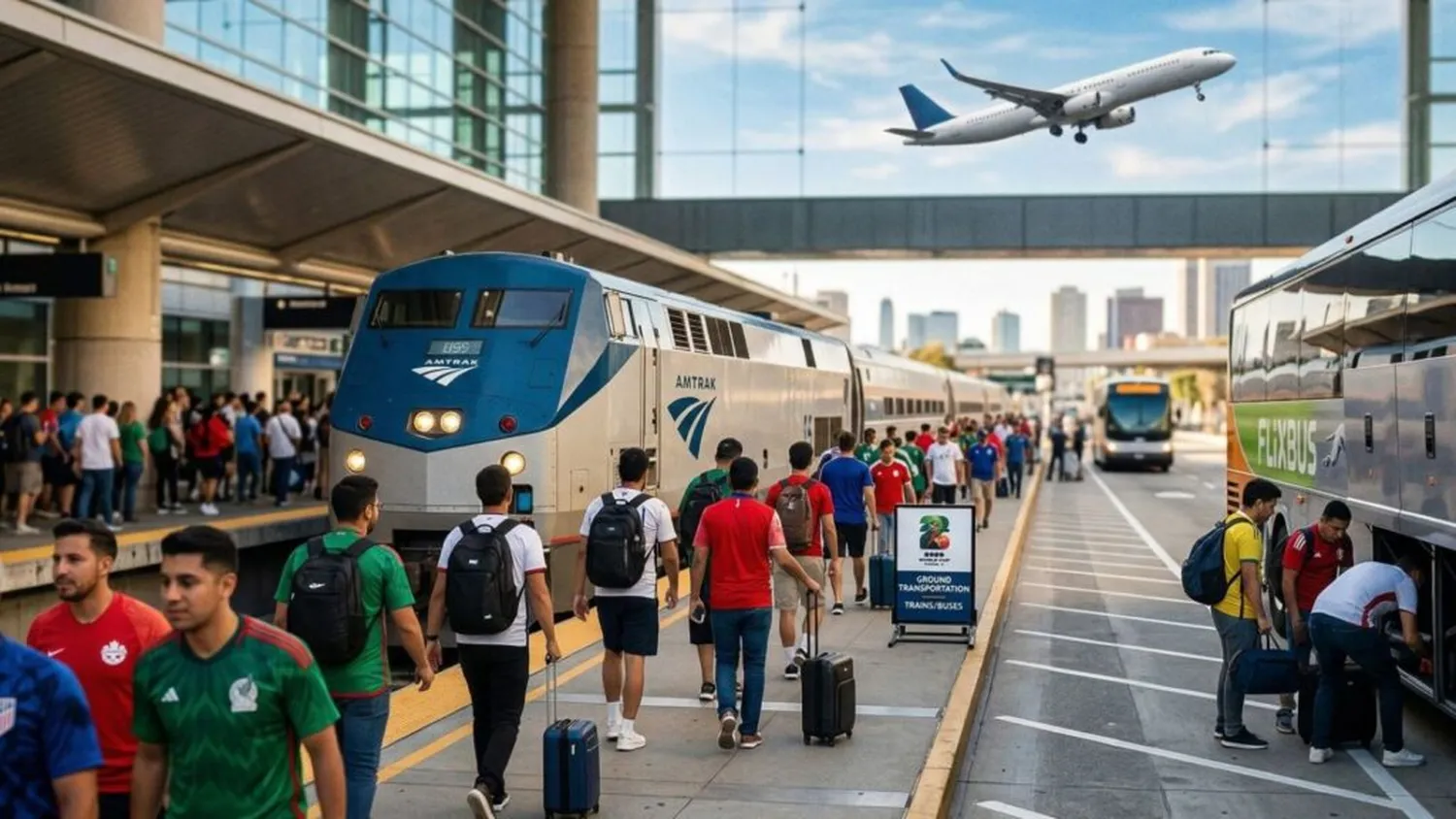
Navigating ground transportation during a major international tournament demands careful planning. Learning how to use public transport between world cup host cities will save you significant money, eliminate high parking fees, and bypass congested traffic corridors surrounding the stadiums. Ground transit solutions vary widely across North American metropolitan clusters, meaning your strategy must shift based on regional geography.
Understanding Regional Ground Transit Clusters
The geographic layout of the host cities requires dividing your journey into regional travel zones. While cross-continent journeys necessitate flying, regional city pairs are connected reliably by trains and express coach services. Knowing how to maximize these corridors is essential when you book multi city flights for world cup group stages to bridge the longer gaps.
The Northeast corridor, Southern California hub, and Canadian cross-border systems present the highest density of ground infrastructure. Relying on mass transit in these areas cuts carbon emissions and minimizes tournament transit stress.
Intercity Rail Options: Amtrak and VIA Rail
Intercity passenger rail serves as the most efficient ground link between closely clustered host venues. In the United States, Amtrak operates frequent schedules along critical paths, while VIA Rail covers Canadian regional extensions. These options carry you straight into central transport stations, making them vastly superior to driving.
| Transit Corridor | Primary Rail Line | Average Travel Time |
|---|---|---|
| New York to Philadelphia | Amtrak Northeast Regional | 1 hr 20 min |
| Boston to New York | Amtrak Acela / Regional | 3 hr 45 min |
| Toronto to Vancouver | VIA Rail (Cross-Country) | Plane Recommended |
| Seattle to Vancouver | Amtrak Cascades | 4 hr 00 min |
For cross-border journeys along the Pacific coast, using rail systems simplifies entry logistics. If you need details on immigration parameters before mapping out your routes, read our complete breakdown on how to travel between usa mexico and canada during the world cup safely.
Long-Distance Regional Bus Networks
When rail lines sell out or do not align perfectly with match schedules, commercial express coach networks provide a highly flexible alternative. Companies like Greyhound, Megabus, and FlixBus deploy high-frequency fleets linking metropolitan centers. Most of these modern vehicles feature complimentary Wi-Fi and power outlets to keep you connected on the road.
Bus travel is particularly useful for mid-range distances where regional flight schedules are limited or overly expensive. This makes coaches highly valuable for fans who need to know how to plan a budget trip for the world cup tournament without exhausting their funds on internal flights.
Step-by-Step Booking and Connection Guide
To secure guaranteed seating during peak tournament travel days, follow this procedural sequence to finalize your ground transit:
- Step 1: Map your match calendar against regional clusters – Group your itineraries logically to minimize long-distance backtracking.
- Step 2: Compare rail schedules early – Visit official transport portals like Amtrak Official Website to secure booking windows up to eleven months in advance.
- Step 3: Download regional transit applications – Install localized apps such as Transit, Citymapper, or specific city apps like New York’s MTA and Mexico City’s Metrobus app for live schedule updates.
- Step 4: Cross-reference matchday delays – Check for modified tournament timetables designed to accommodate late-night stadium crowds.
Linking Intercity Transit to Local Stadiums
Arriving at a central hub city is only half the battle; you must connect seamlessly to the stadium gates. Most metro areas align their subways, light rail, and park-and-ride shuttles directly with stadium entrances to handle the heavy passenger flow. Ensure your tickets are loaded onto digital transit cards or smartphones ahead of time to skip line queues at automated terminal kiosks.
Additionally, remember that local transport systems frequently tie their ticketing systems with tournament credentials. Having your match paperwork readily accessible can unlock fast-track lines. Be sure you know how to get fan passes and stadium entry permits to maximize these special matchday transit perks.
Frequently Asked Questions
Is it necessary to pre-book intercity train tickets?
Yes. Intercity rail services will operate at maximum capacity during the tournament window. Dynamic pricing models mean costs spike dramatically closer to match days.
How do I navigate public transport between Mexican host cities?
Mexico City, Guadalajara, and Monterrey are best connected internally via high-tier executive express bus networks (such as ETN or Primera Plus) or commercial regional air links due to mountain terrain geographical gaps.
Are transit networks accessible for international travelers?
Yes, major transit systems support English, Spanish, and French language options across their smartphone platforms and ticketing hubs, accepting international contactless credit and debit payments directly at turnstiles.
Conclusion: Plan Smart for Smooth Journeys
Mastering how to use public transport between world cup host cities comes down to early preparation and choosing the right regional corridors. Utilizing high-speed rail lines and express bus links saves you from the headache of city traffic and expensive parking. Pair your intercity transit tickets with local transit apps to ensure you reach every stadium stress-free and on time.