





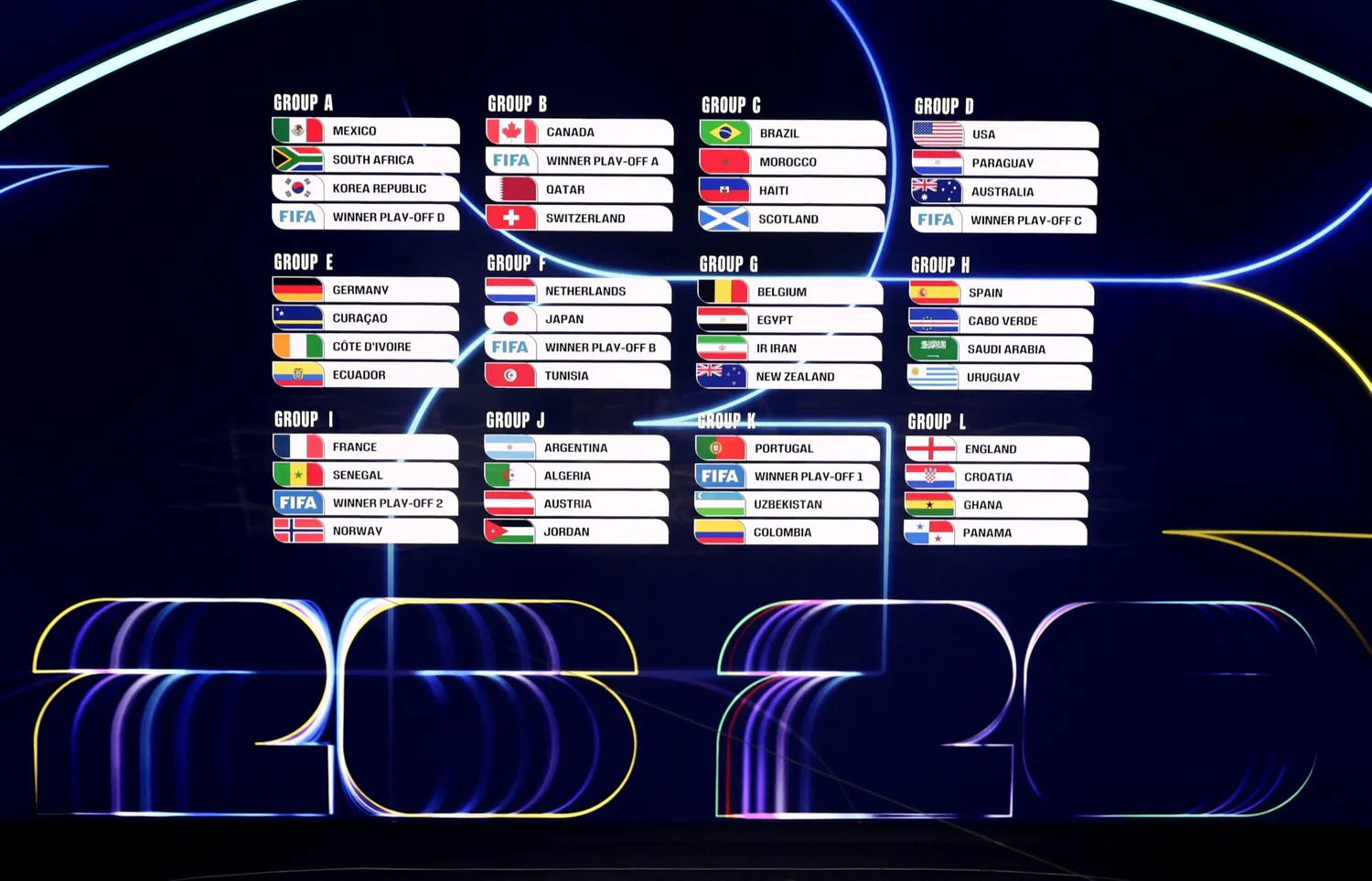
Figuring out exactly how to understand the new 48 team world cup format can feel overwhelming due to the massive increase in participating nations. The governing body expanded the competition matrix substantially to provide opportunities for developing football sectors around the world. This breakdown clears up the mystery around group allocations, qualification rules, and the total match count.
Why Did the Tournament Expand From 32 to 48 Teams?
The traditional 32-team layout, which stayed constant since 1998, gave way to a larger international celebration. According to the Official FIFA Website, expanding to 48 participants ensures that more countries from Africa, Asia, and North America get a real shot at competing on the sport's biggest stage instead of getting stuck in brutal regional qualifiers.
Because there will be so many more games going on at the same time, planning your watch schedule is super important. To make sure you don't miss anything, check out our guide on how to download the official world cup match schedule pdf.
The Group Phase: 12 Groups of 4
Initially, football officials thought about using groups of three teams. However, they realized that could lead to teams colluding in the final group matches. To keep things fair, they settled on a structure featuring 12 groups of 4 teams each.
This layout means that instead of just the top two teams advancing, things get a bit more interesting:
- Top Two Automatically Advance: The teams finishing 1st and 2nd in all 12 groups move on.
- Best Third-Place Wildcards: The 8 best third-place teams across all groups also earn a ticket to the next round.
- Guaranteed Games: Every single country that qualifies is guaranteed to play at least 3 high-stakes matches before facing elimination.
If you love breaking down these matchups before they happen, you can read our tactical tips on how to predict world cup group stage winners accurately to find an analytical advantage.
The Knockout Phase: Say Hello to the Round of 32
In old tournaments, surviving the group stage put you straight into the Round of 16. With the new layout, surviving teams enter a brand new round: The Round of 32. This addition means an extra single-elimination game is added to the gauntlet, making the road to the trophy tougher than ever.
Key Numbers at a Glance
To really see how much the tournament is growing, look at how the basic metrics compare to old editions:
| Metric | Old Structure | New Structure |
|---|---|---|
| Total Teams | 32 | 48 |
| Total Matches | 64 | 104 |
| Tournament Days | Around 30 | Around 39 |
| Max Matches per Finalist | 7 | 8 |
This massive jump from 64 to 104 matches means there will be live football on your screens almost constantly for well over a month. If you plan on tracking these historic moments wherever you go, see our guide on how to stream fifa world cup matches live on mobile.
How to Follow the Expanded Grid Successfully
Staying on top of 104 matches across multiple time zones takes a little bit of prep. Here is the easiest way to manage the chaos:
- Use Real-Time Notification Engines: With multiple games kicking off at the same time during the final group matchdays, you need tools that update instantly. Learn how to check live football scores and injury updates today to follow parallel games side by side.
- Lock Down Your Broadcast Plan: Find out which streaming networks or local channels have the broadcast rights in your area well ahead of time.
- Track the Wildcard Standings Table: Keep a close eye on the goal differentials of third-place teams, as a single goal can completely change who gets through.
Frequently Asked Questions
Does the new format mean the top players will burn out?
Teams making it all the way to the final will now play 8 total matches instead of 7. While it is an extra game, extended roster sizes and modern recovery tech help protect player safety.
How are the best third-place teams chosen?
They are ranked by total points earned in their group. If points are tied, officials look at goal difference, total goals scored, and fair play disciplinary points.