





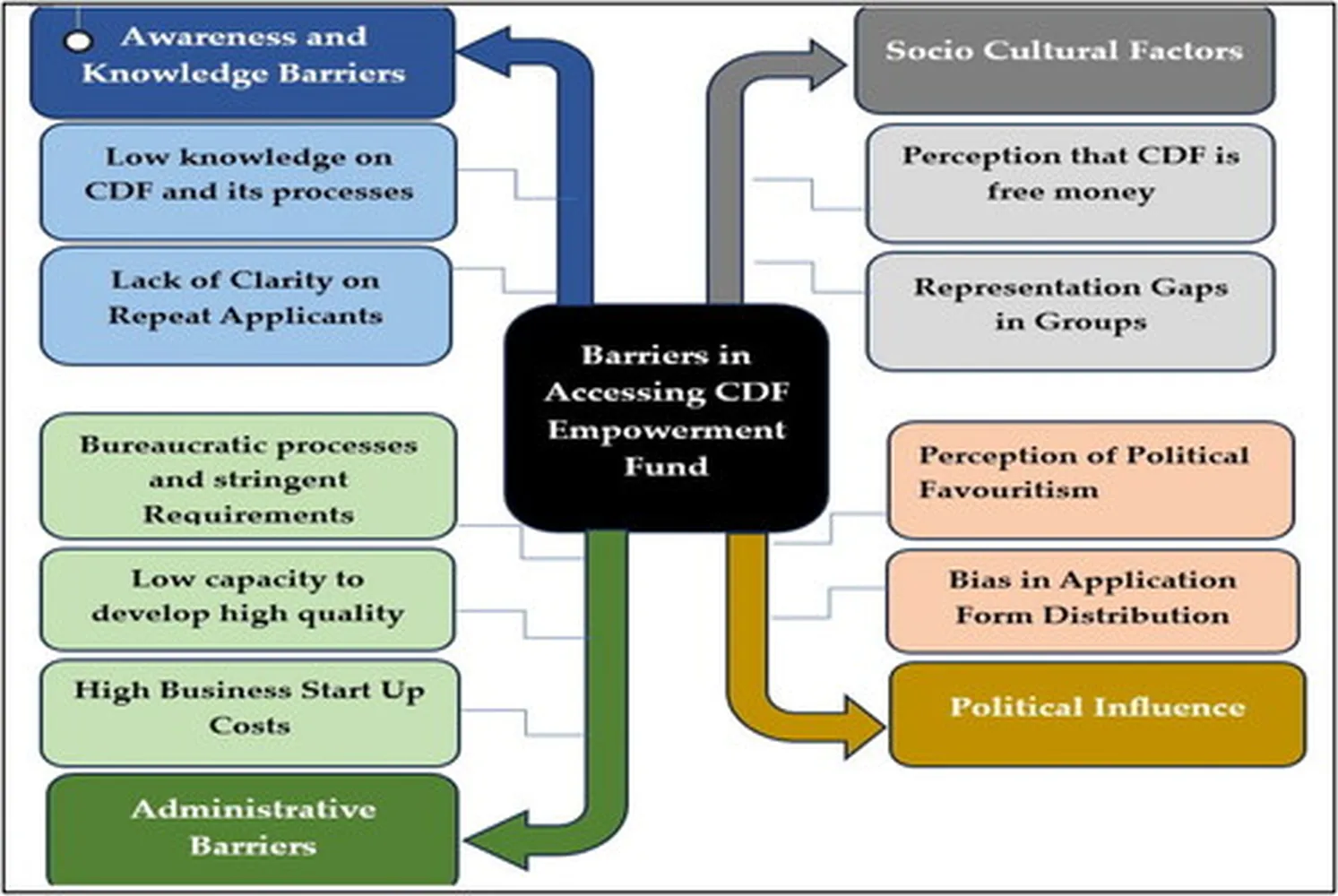
Active citizenship requires regular participation in budget accountability tracking. Learning how to track development funds in your local constituency bridges the gap between high-level macro allocations and verifiable, community-centered development outputs. When localized infrastructure disbursements are actively monitored by community members, structural leakages drop and construction quality increases significantly.
1. Understanding the Local Allocation Framework
Before launching a physical or financial review, a tracker must master the source pipelines supplying local administrative accounts. Public funds typically enter community levels via designated formulas: statutory direct allocations, ministerial grants for education or health, and local authority discretionary internal revenues. In regions utilizing targeted local schemes, such as those analyzed when citizens learn how to run for local government office in Kenya, tracking requires accessing the targeted public ledger books specific to that administrative district.
To view historical and current institutional budget information, researchers can consult open transparency systems like the International Budget Partnership portal, which documents global standards for public financial tracking and fiscal disclosure rules.
2. Step-by-Step Guide to Tracking Public Projects
Grassroots accountability relies on structured documentation rather than loose hearsay. Following a methodical pathway keeps citizen monitoring accurate, impactful, and protected by law.
Step 1: Access official allocation gazettes
Acquire national and regional budget printouts detailing exact project lines. These items outline precise fiscal sums assigned to specific construction items within the territory. If you are tracking election pledges alongside financial records, cross-referencing files on how to register for elections in Tanzania helps match community infrastructure demands with corresponding local policy distributions.
Step 2: Scrutinize the project timeline logs
Every development contract lists clear milestones: initial deposit dates, primary grading steps, secondary structural assembly, and final delivery dates. Request copies of these schedules from your ward planning or county assembly executive building.
Step 3: Execute target site inspections
Conduct safe and orderly field inspections to review physical progress against reported capital draws. Check if the materials listed in the procurement orders match what is visible on the project site.
3. Metrics and Audit Indicators
When tabulating community balance sheets, use clean data metrics. Small, mobile-friendly project summaries help quickly spot cost overruns or tracking delays without causing design breaks on small smartphone views.
| Project Sector | Key Data Source | Standard Risk Flag |
|---|---|---|
| Primary Schools | Capitation Ledgers | Unbuilt classrooms with 100% payout |
| Rural Water Supply | Borehole Invoices | Non-functional machinery delivery |
| Feeder Roads | Tender Specifications | Substandard gravel thickness |
If you prefer using media toolsets to share your data findings, tracking these specific project indicators can serve as great content foundations when planning how to start a political podcast or blog that makes money while highlighting structural integrity audits in your local area.
4. Addressing Financial Deviations Professionally
When citizen reviews uncover significant variances between bank transfers and actual construction progress, findings must be processed through formal anti-corruption channels. Avoid unverified social media claims; instead, assemble clear data evidence files and forward them directly to state audit offices, ombudsmen, or specialized anti-graft bodies using formal frameworks like how to report corruption to government authorities anonymously.
Furthermore, evaluating broader public perceptions regarding project equity often requires tracking voter sentiments. This matches methods used to how to analyze political opinion polls accurately to ensure funding distributions align with high-priority civic needs.
5. Frequently Asked Questions
How do I verify if a project has received total payout?
Check the central bank or sub-national treasury quarterly release portals. These boards list actual financial wire sums moved to local contractor project accounts.
What can I do if local administrators refuse to release the ledger books?
Submit a formal demand letter citing local freedom of information laws or right-to-information constitutional clauses, ensuring your request is officially stamped for tracking.