





The Gold Standard of Elite African Safaris
A safari is not just a holiday; it is an sensory pilgrimage into the ancient rhythms of nature. However, when you only have exactly six days on the continent, standard planning methodologies fail. In a normal itinerary, dusty overland tracks, prolonged transit boundaries, and unoptimized lodge locations can consume up to 40% of your waking hours. This masterclass article details how to time a 6 day luxury safari perfectly by executing precision regional flights, employing private concessions, and aligning your calendar with astronomical and seasonal animal migrations.
1. The Analytical Science Behind Safari Timing
Timing a luxury safari within a strict six-day window is not merely about choosing a month on a calendar; it is a complex calculation involving micro-climatology, animal biology, and high-end transit engineering. To get this right, you must understand how these elements interact in real time.
The East African savanna is a highly dynamic ecosystem where wildlife is constantly on the move. Herbivores—specifically the 1.5 million wildebeests, 200,000 zebras, and hundreds of thousands of gazelles—do not wander aimlessly. Their migration routes are precisely determined by the phosphorus and calcium levels in the volcanic soils, which sweeten the grasses after rainfall.
If you book a traditional overland safari, you are bound to the static, unyielding schedules of public park gates and massive highway transits. In a tight 6-day window, every single hour you spend sitting behind a windshield on a dusty main road is a tragedy. This is why timing requires a Fly-In, Fly-Out structural model. By utilizing light aircraft (such as Cessna Grand Caravans) to fly directly into bush airstrips like Sasakwa, Kogatende, or Mwiba, you completely bypass the 8 to 10 hours of grueling road travel.
Inside the Science: The 50-Kilometer Failure Zone
Many premium travelers assume that simply booking a 5-star lodge in the "Serengeti" guarantees great wildlife viewing. However, the Serengeti ecosystem is massive—covering over 14,750 square kilometers. If your luxury camp is located just 50 kilometers away from where the migratory herds are currently concentrated, your daily game drives will be long, exhausting, and largely empty.
To eliminate this risk, elite operators use real-time satellite imagery and tracking collars fitted on herd leaders. This data allows luxury lodge groups to position mobile tented camps directly in the path of the herds weeks before they arrive.
Furthermore, by choosing Private Concessions (privately managed wildlife areas sharing open borders with national parks), you gain the ability to drive off-road. In national parks, vehicles must stay strictly on designated dirt tracks. If a pride of lions is resting under an acacia tree 100 meters away, you can only look through binoculars. On a private concession, your guide can drive directly up to the sighting, giving you a front-row seat to the action.
2. Aligning Your Calendar: The Wet vs. Dry Safari Matrix
Before making any non-refundable deposits, you must match your travel goals with the seasonal cycles of the landscape. The wilderness changes dramatically throughout the year, with each season offering its own unique advantages and challenges.
A. The Dry Season (June to October)
This is widely considered the absolute gold standard for classic African safaris, and for good reason. As the rains cease in late May, the vast waterholes that dotted the plains dry up, leaving behind dusty ground. This forces animals to gather in massive numbers along the few remaining permanent water sources, such as the Tarangire River, the Grumeti River, and the iconic Mara River.
During this period, the dense bush thins out, and the tall green grass dries down to short, golden stubble. This lack of thick vegetation removes the natural hiding spots of predators, making it incredibly easy to spot elusive big cats like leopards, cheetahs, and lions. The warm, dry air also means fewer mosquitoes, making for very comfortable evenings around the campfire.
Chronological Guide to the Dry Season (June - October)
The dry season is not a single static event. It is a shifting timeline of high-stakes survival and dramatic wildlife movements across the savanna.
- June Transition: The grasslands of the southern plains turn from green to gold. The Great Migration herds gather in the Western Corridor near the Grumeti River, preparing for the initial river crossings where giant crocodiles await.
- July to August Peak: The herds push northward toward the Mara River. This is the prime time to witness the dramatic, high-adrenaline river crossings. Thousands of wildebeests plunge down steep, dusty banks into crocodile-infested waters in a spectacular display of natural instinct.
- September to October Survival: The landscape is at its driest. Animals concentrate in massive numbers along riverbanks, and predator-prey activity is at its peak. This is an exceptional time for photographers seeking high-contrast action shots in the clear, golden afternoon light.
Pro-Tip for 6-Day Travelers: Since you only have 6 days, split your time between two distinct areas: spend 3 days in the northern Serengeti right by the Mara River to catch the crossings, and 3 days in a private concession in the central Serengeti to enjoy exclusive, crowd-free big cat sightings.
B. The Calving Season (January to March)
Often referred to by professional guides and wildlife biologists as the intense "Predator Season," the calving period is a spectacular display of life, vulnerability, and raw survival. During this brief window, the vast herds of the Great Migration settle upon the southern plains of the Serengeti and the Ndutu Conservation Area.
The timing of this event is a biological masterpiece. The volcanic soils of these southern plains, rich in essential minerals like calcium, phosphorus, and potassium, produce highly nutritious, short-grass pastures. This nutrient-dense grass is critical for pregnant wildebeest cows, providing them with the high-quality milk needed to nurse their newborns. Within a highly synchronized three-week window, almost 8,000 wildebeest calves are born every single day, flooding the plains with a sea of new life.
This massive concentration of vulnerable, young prey acts as an irresistible magnet for the continent's top predators. Large prides of lions, solitary leopards, packs of spotted hyenas, and families of cheetahs gather along the margins of the short-grass plains. For travelers seeking to witness high-speed chases, tactical ambushes, and the intense reality of nature, this season offers an unmatched front-row seat.
Inside the Calving Season: High-Stakes Survival Tactics
The calving season is not just a peaceful nursery; it is a highly active battleground of survival where both prey and predator employ fascinating evolutionary strategies.
The Prey Strategy (Synchronized Birthing): Why do all wildebeests give birth at the exact same time? This is a survival tactic known as "predator satiation." By birthing roughly 500,000 calves within a few weeks, the herds overwhelm the local predators. The predators simply cannot eat all the newborns, ensuring that a vast majority of the calves survive their most vulnerable first month of life. Remarkably, a wildebeest calf can stand and run with the herd within just 7 to 10 minutes of being born.
The Predator Tactics: With food so abundant, predators adapt their behaviors. Cheetahs, the speed champions of the savanna, take advantage of the open, short-grass terrain of Ndutu to initiate high-speed runs. Lions coordinate in large groups to isolate calves from their protective mothers. Meanwhile, leopards use the surrounding acacia woodlands to store their kills high up in the branches, safe from scavenging hyenas.
How to Time This Perfectly for a 6-Day Safari: To experience this season without losing precious time, you must fly directly into the Ndutu Airstrip. Since this area straddles the border of the Serengeti and the Ngorongoro Conservation Area, staying in a luxury mobile camp here allows you to drive off-road to witness hunts close up. This setup eliminates long drives and puts you directly in the center of the action from sunrise to sunset.
C. The Emerald Season (April to May)
Often overlooked, the green season represents the pinnacle of travel luxury for seasoned veterans. The skies are clean and clear, presenting breathtaking conditions for high-end photography. Best of all, the parks are incredibly quiet, offering you a private and exclusive experience with zero crowds at a fraction of the standard peak prices.
| Metric Parameter | Dry Peak (July-Oct) | Calving Peak (Jan-Mar) | Emerald Peak (April-May) |
|---|---|---|---|
| Crowd Densities | Very High | Moderate | Extremely Low (Private) |
| Primary Activity | River Crossings | Predator Hunts / Calving | High-Definition Photography |
| Ideal Micro-Location | Northern Serengeti / Mara | Southern Serengeti / Ndutu | Central Serengeti Concessions |
3. The Master 6-Day Luxury Fly-In Itinerary
The layout below demonstrates how to balance world-class luxury with active, high-intensity adventure. By eliminating long overland driving days, this routing keeps you fully immersed in the experience from the first minute to the last.
Day 1: Welcome to Africa & Private Sanctuary Relaxation
Arrive at Kilimanjaro International Airport (JRO). Experience effortless entry with a private VIP meet-and-greet service that handles immigration while you relax in a private lounge. You will be driven in a premium vehicle to a luxury coffee-estate lodge in Arusha. Spend your evening enjoying gourmet dining and resting up for the exciting adventure ahead.
Day 2: Flight to the Serengeti & Evening Game Drive
Board a private chartered flight or a premium scheduled flight directly to a private airstrip in the central Serengeti. Touch down and enjoy a warm welcome with chilled champagne. Transfer to your ultra-luxury tented camp for lunch. In the afternoon, embark on your first game drive, seeking out resting leopards and large prides of lions.
Day 3: Full-Day Exploration & Exclusive Bush Dining
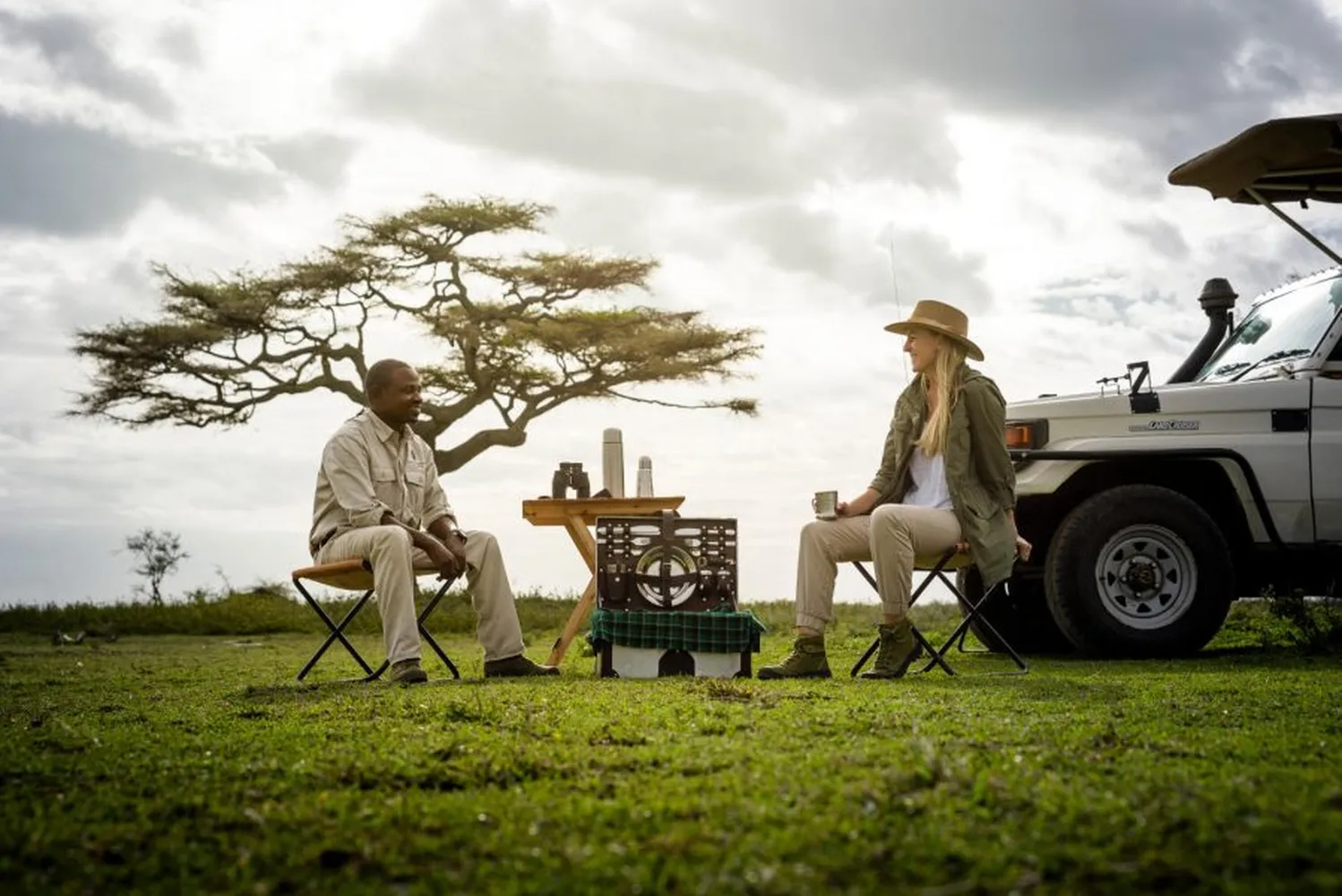
Set off on a full-day private game drive, tracking the movement of migrating herds. At midday, discover a beautiful, secluded lunch setup in the middle of the savanna, prepared by a private camp chef. Continue exploring in the afternoon before heading back to camp for an evening of luxury cocktails by a crackling campfire.
Day 4: Sunrise Balloon Safari & Flight to the Highlands
Wake up early for a spectacular sunrise hot-air balloon flight over the Serengeti plains. Float quietly over the tree canopy, watching the wildlife wake up below. Toast your flight with a classic champagne bush breakfast. In the afternoon, fly to the cooler Ngorongoro Highlands and check into a stunning luxury lodge built right on the crater rim.
Day 5: Ngorongoro Crater Floor Exploration
Descend early into the historic caldera of the Ngorongoro Crater. This unique ecosystem is home to over 25,000 large mammals, including the endangered black rhino. Enjoy a high-end picnic lunch beside the scenic Lerai forest, then spend your afternoon tracking down giant bull elephants.
Day 6: Final Morning Walk & Flight Home
Start your final day with a refreshing guided walking safari along the rim of the crater. Savor a relaxed gourmet breakfast, then board your private plane back to Arusha for your international flight home. You leave with incredible memories of a perfectly timed luxury journey.
4. Private Concessions vs. National Parks: The Ultimate Choice
When selecting your luxury accommodation, the physical boundaries of the property make a major difference in the quality of your trip. While public national parks are beautiful, they enforce strict, rigid rules that limit off-road driving, walking safaris, and night drives.
Private concessions, however, are exclusive wildlife sanctuaries located right next to national parks. They limit access to only a handful of luxury lodges, meaning you will enjoy incredible sightings without the distraction of dozens of other tourist vehicles. On a private concession, you can step out of the vehicle for guided walking safaris, follow a hunting pride of lions off-road, and track nocturnal predators using specialized spotlights under the starry night sky.
5. The Logistics Blueprint: Flight Path Optimization
The logistical backbone of knowing how to time a 6 day luxury safari perfectly lies in completely eliminating the physical wear-and-tear of overland road travel.
In East Africa, the geographical distance between iconic locations like the Ngorongoro Crater, the central Serengeti, and the remote northern Mara River is deceptively vast. When mapped on a traditional road itinerary, these routes translate into what guides jokingly refer to as the "African massage"—hours of bone-rattling transit over unpaved corrugated gravel, heavy clouds of fine dust, and unpredictable traffic bottlenecks at national park entrance gates. On a short six-day journey, committing to road transit is equivalent to throwing away two full days of your vacation to pure exhaustion.
Flight path optimization replaces these grueling drives with scheduled or private chartered light aircraft flights. By leveraging specialized local bush-aviation networks, you transition from one world-class ecosystem to another in less than an hour. This dramatic reduction in travel time turns long, tiring transit days into peaceful, productive mornings and afternoons filled with high-value game viewing. Instead of arriving at your next lodge late in the evening covered in dust, you land directly at a private airstrip, step into a custom-designed open-sided 4x4 safari vehicle, and enjoy a cold drink while watching a herd of elephants cross the road on your way to camp.
Standard Driving Safari
- ❌ Transit Fatigue: Up to 12 hours of driving on rough, unpaved roads.
- ❌ Wasted Time: Long, exhausting gate queues and park check-in delays.
- ❌ Strict Schedule: Limited to national park operational hours and rigid routes.
- ❌ Missed Opportunities: Midday travel means you miss peak animal activity times.
Premium Fly-In Safari
- ✅ Scenic Efficiency: Quick, comfortable 45-minute flights directly over the landscapes.
- ✅ Instant Access: Immediate entry via exclusive, private bush airstrips.
- ✅ Seamless Flow: Private game drives start the second you step off the plane.
- ✅ Maximized Comfort: Spend your midday relaxing at the lodge spa or pool.
Inside Aviation Logistics: Cracking the Bush Flight Code
Operating light aircraft in the African wilderness requires highly specialized scheduling and strict adherence to unique environmental constraints.
The Micro-Fleet Advantage: The aircraft used for these transfers—primarily Cessna 208B Grand Caravans and twin-engine turboprops—are designed for Short Takeoff and Landing (STOL) performance. They can easily land on short, unpaved dirt, gravel, or grass runways located in the heart of the national parks. This means you fly over major physical barriers like the Great Rift Valley escarpment in just 10 minutes, a route that would take a vehicle nearly 4 hours to navigate.
Thermal Turbulence & Morning Departures: Why do almost all premium bush flights depart early in the morning? As the equatorial sun heats up the vast savanna floor during the day, warm air rises rapidly, creating thermal updrafts that cause bumpy afternoon flights. Timing your flights between 8:00 AM and 11:00 AM ensures a smooth, comfortable journey and guarantees you arrive at your next lodge in time for a gourmet lunch.
The Luggage Constraint Solution: Because these small aircraft must carefully manage weight and balance for safe takeoffs on short runways, they enforce a strict limit of 15 kg (33 lbs) per guest, packed exclusively in soft-sided duffel bags (no hard plastic suitcases or wheels allowed). Elite safari lodges solve this limitation by providing complimentary, same-day professional laundry services, allowing you to pack light and travel without stress.
6. Luxury Packing & Preparation Protocols
Preparing for an elite fly-in safari requires shifting your mindset from conventional luxury travel packing to highly disciplined, tactical preparation.
When traveling on first-class international flights, you are accustomed to generous luggage allowances. However, the moment you transition to the regional bush planes that fly into the Serengeti or Ngorongoro, the physical laws of aviation take over. Light aircraft, such as the Cessna Grand Caravan, have small, uniquely shaped luggage compartments located under the belly of the plane. These compartments cannot accommodate large, rigid suitcases with hard plastic shells, metal frames, or spinner wheels.
To ensure safe takeoffs from short dirt runways, a strict weight limit of 15 kg (33 lbs) per person, including hand luggage, is strictly enforced. While this limit may initially seem restrictive for a high-end vacation, luxury properties make it incredibly easy to adapt. Nearly all premium safari lodges and tented camps offer complimentary, same-day professional laundry services. This means you only need to pack enough high-quality clothing to last for two to three days, as your garments will be washed, ironed, and returned to your suite daily.
The color of your clothing is also a critical factor in your overall safety and comfort. Neutral earth tones—such as khaki, olive green, beige, and light brown—are essential for blending into the savanna environment. Bright colors like white and yellow stand out easily, making wildlife nervous and causing them to run away before your vehicle gets close. On the other hand, dark blue and solid black clothing must be completely avoided, as these colors are highly attractive to tsetse flies, whose bites can be painful and carry sleeping sickness in certain wooded corridors.
The Ultimate Elite Packing Checklist & Preparation Guide
Unlock our comprehensive, item-by-item breakdown designed specifically to fit the strict 15 kg weight limit of bush aircraft.
1. Smart Layering & Fabric Technology
Temperatures on the East African plains vary dramatically. Early morning game drives before sunrise can be freezing cold (often dropping to 10°C / 50°F), while the midday sun can push temperatures above 30°C (86°F). Pack high-performance fabrics that breathe well and wick moisture.
- Base Layer: Lightweight, breathable cotton or merino wool t-shirts.
- Mid Layer: A high-quality fleece jacket or a lightweight down sweater to trap warmth during cold morning drives.
- Outer Layer: A windproof and water-resistant utility jacket.
- Bottoms: Convertible safari trousers that easily zip off into shorts as the day heats up.
- Headwear: A wide-brimmed safari hat with a chin strap to protect your face and neck from the intense equatorial sun during open-vehicle drives.
2. High-Performance Optics & Camera Gear
To truly appreciate the incredible wildlife of the Serengeti, relying on a smartphone camera is not enough. Investing in the right gear is key to capturing those once-in-a-lifetime moments.
- Binoculars: Pack a personal pair of high-quality binoculars (ideally 8x42 or 10x42) with multi-coated lenses to spot leopards hidden deep in distant acacia trees.
- Camera Body & Lenses: Bring a DSLR or mirrorless camera body with a telephoto zoom lens (at least 70-300mm, or ideally a 100-400mm lens) to capture sharp close-ups without disturbing the animals.
- Dust Protection: The savanna can get incredibly dusty. Bring protective camera wraps, lens cleaning kits, and airtight zip-lock bags to safeguard your sensitive electronics.
3. Medical & Health Preparations
Ensure your health is fully protected before stepping foot in the wilderness. Consult a travel clinic at least 4 to 6 weeks prior to your departure date.
- Malaria Prophylaxis: Most prime safari areas are located in malaria zones. Carry prescribed prevention medications as recommended by your doctor.
- Insect Repellent: Bring premium repellents containing DEET or Picaridin to ward off mosquitoes and biting flies.
- Sun & Hydration Protection: Pack high-SPF, broad-spectrum sunscreen, soothing lip balm, and rehydration salts to counteract the dry African heat.
- Personal Medical Kit: Carry a compact first-aid kit containing antihistamines, pain relief, motion sickness medication (for light flights), and any essential personal prescriptions.
By following these exact packing guidelines, you ensure seamless boarding on all bush flights and guarantee that your attention remains focused entirely on the breathtaking wildlife.
7. Frequently Asked Questions (FAQ)
Is six days really enough time to experience a luxury safari?
Yes, six days is the perfect duration for a luxury trip if you utilize light aircraft flights instead of overland driving. This ensures that every day is spent enjoying the wilderness rather than in transit.
What is the absolute best time to see the Great Migration?
The best time to witness the dramatic Mara River crossings is from July to October. For the calving season in the southern Serengeti, plan your trip between late January and early March.
Why are private concessions more expensive than national parks?
Private concessions limit the number of guests and vehicles, offering a much more exclusive experience. They also offer unique activities that are not allowed in national parks, such as off-road tracking, night drives, and guided bush walks.