





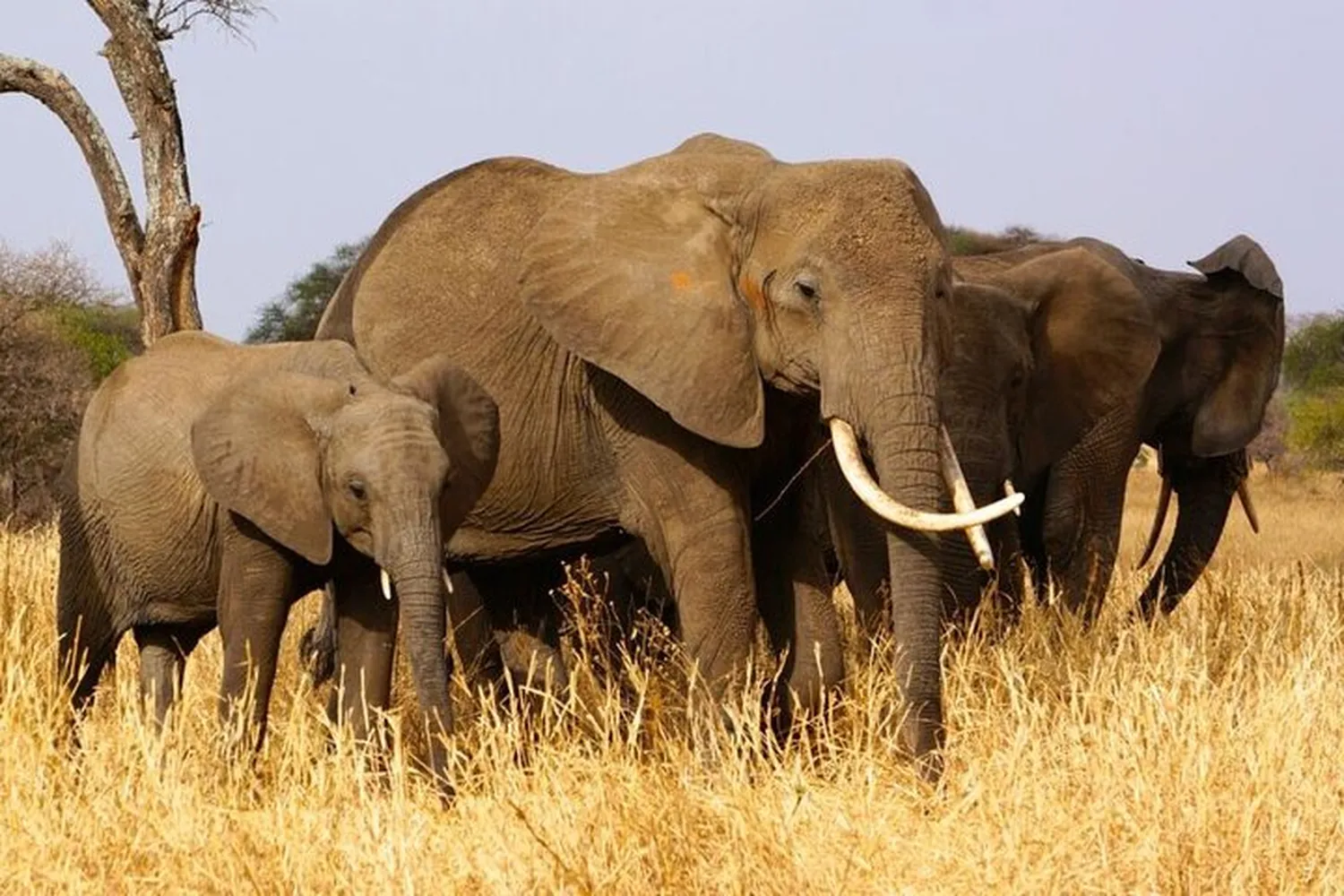
Quick Overview: Planning how to see giant elephants in Tarangire on a 7 day safari requires a well-calculated route that maximizes time in both the northern river circuits and the secluded southern Silale Swamps. This comprehensive guide breaks down the ideal season, daily itineraries, elephant behavior, photography tips, and budget expectations.
Introduction: The Magic of Tarangire’s Giants
When travelers picture the African wilderness, few images rival that of a colossal African elephant standing beneath the silhouette of an ancient baobab tree. Tarangire National Park in northern Tanzania is world-renowned as the ultimate sanctuary for these mega-herbivores. Spanning over 2,850 square kilometers, Tarangire is home to one of the highest densities of elephants on the entire continent. During peak months, over 3,000 to 4,000 elephants roam through its baobab-studded savanna, riverbanks, and swamp networks.
However, simply driving into the park for a few hours on a quick day trip rarely delivers the full experience. To truly understand how to see giant elephants in Tarangire on a 7 day safari, you need a strategic approach that balances time inside Tarangire with complementary wildlife highlights across the Northern Safari Circuit, including Ngorongoro Crater and Serengeti National Park.
View Full 7-Day Itinerary Below ↓1. Why Tarangire is Africa's Premier Elephant Hub
Tarangire’s unique ecosystem is driven by its geography and hydrological features. Unlike many drier parks in East Africa, Tarangire is blessed with the Tarangire River—a permanent lifeline flowing right through the heart of the park. During the dry season, as surrounding areas across the Maasai Steppe lose their surface water, thousands of elephants migrate back toward the river and permanent swamp complexes like Silale.
Here are key factors that make Tarangire unmatched for elephant viewings:
- Unrivaled Group Sizes: It is common to witness mega-herds consisting of 100 to 300 elephants congregating at a single river bend.
- Historic Big Tuskers: Tarangire protects older bull elephants featuring tusks weighing over 80–100 pounds each.
- Baobab Tree Interaction: Elephants use their massive tusks to strip bark from giant baobabs to absorb moisture and minerals, providing incredible photographic moments.
- Rich Social Structures: You will observe full matriarchal family groups with newborn calves, playing juveniles, and sparring young bulls.
2. Best Seasons & Timing for Giant Herds
Understanding seasonal migration patterns is vital when figuring out how to see giant elephants in Tarangire on a 7 day safari. The park experiences dramatic shifts in animal density depending on rainfall.
| Season | Months | Elephant Concentration | Highlights |
|---|---|---|---|
| Peak Dry Season | July – October | Extreme (3,000+ Herds) | Best river sightings, massive herds, dry riverbed excavations. |
| Transition Season | November – December | High to Moderate | Short rains start; lush scenery, excellent birthing period. |
| Green Season | January – May | Moderate / Dispersed | Low tourist crowds, green landscapes, great birdwatching. |
If your ultimate goal is standing near hundreds of elephants quenching their thirst, aim for the peak dry months between August and October. During this window, water outside the park disappears, leaving elephants no choice but to stay close to the Tarangire River and Silale Swamp.
3. Prime Elephant Tracking Hotspots in Tarangire
To maximize your sightings during your safari, your guide must venture beyond the standard northern entry gate circuit into deeper regions of the park:
A. The Tarangire River Corridor
Running north to south, this river valley is the focal point during morning and late afternoon game drives. Watch as herds descend steep riverbanks to drink, splash, and bathe in mud to cool off.
B. The Silale Swamp
Situated in the southern sector of Tarangire, Silale Swamp acts like a massive green sponge that holds water year-round. It is the single best location in Tanzania to see giant bull elephants wading deep into green reeds, feeding on nutrient-rich grasses.
C. Kuro Airstrip & Baobab Ridge
This central region offers open grassy plains dotted with massive baobab trees. It is a prime area to photograph old tuskers moving peacefully against broad open skies.
View Nearby Lodges & Camps ↑4. Complete 7-Day Detailed Safari Itinerary
This optimized 7-day northern Tanzania safari itinerary balances deep elephant tracking in Tarangire with iconic stops at Ngorongoro Crater and Serengeti National Park.
Day 1: Arrival in Arusha
Arrive at Kilimanjaro International Airport (JRO). Transfer to your hotel in Arusha for a detailed safari briefing with your lead guide. Rest and prepare for the journey ahead.
Contact Booking TeamDay 2: Arusha to Northern Tarangire National Park
Depart early for a 3-hour drive to Tarangire. Enter through the main gate and spend the afternoon tracking herds along the Tarangire River. Check in at your luxury lodge or tented camp inside the park.
Day 3: Full Day Expedition to Silale Swamps (Giant Tuskers)
Dedicate a full day exploring southern Tarangire. Head straight to Silale Swamps with lunch boxes. Search for giant bull elephants, lion prides, and vast bird populations before returning at sunset.
Day 4: Tarangire to Lake Manyara / Karatu Highlands
Enjoy a final morning game drive exiting Tarangire. Travel toward the lush rift valley greenlands of Karatu or explore tree-climbing lions at Lake Manyara National Park.
Day 5: Ngorongoro Crater Floor Safari
Descend 600 meters into the UNESCO-listed Ngorongoro Crater floor. Encounter black rhinos, heavy-maned lions, hyenas, and big bull elephants wandering around Lerai Forest.
Day 6: Central Serengeti Plains (Seronera Valley)
Drive into the vast Serengeti plains. Explore predator-rich valleys along the Seronera River, home to leopards, cheetahs, and vast herds of wildebeest and zebra.
Day 7: Morning Game Drive & Departure
Catch early dawn light on the Serengeti plains before flying out from Seronera Airstrip back to Arusha/JRO for your international flight home.
5. Understanding Elephant Behavior & Tusker Spotting
Observing elephants becomes far more captivating when you can interpret their body language and social hierarchy:
- Matriarch Leadership: Each family unit is led by the oldest and wisest female, who remembers water sources from decades past.
- Musth Stage in Bulls: Adult males enter periods of heightened testosterone called musth, characterized by fluid draining near their temples. These bulls roam active for breeding rights and display impressive power.
- Communication: Elephants communicate through low-frequency rumble sounds (infrasound) that travel miles through the ground, helping separated groups coordinate movements.
6. Where to Stay: Lodges vs. Tented Camps
Choosing the right accommodation elevates your safari experience. Staying inside the park allows you to start game drives before non-resident day tourists arrive.
- Luxury Tented Camps: Options like Oliver's Camp or Tarangire Treetops offer high-end luxury canvas tents elevated on platforms with views over elephant corridors.
- Mid-Range Lodges: Locations like Tarangire Safari Lodge feature iconic views overlooking the Tarangire River where elephants drink right below the terrace.
- Budget Camping: Public campsites inside or just outside the park gates provide rustic camping under starry skies surrounded by wild sounds.
7. Costs, Park Fees & Budget Planning
Understanding park costs ensures smooth planning. Standard park entrance fees for Tarangire National Park (managed by TANAPA) are structured as follows:
- Peak Season Entrance Fee: ~$70 USD per adult per 24-hour period (excluding 18% VAT).
- Low Season Entrance Fee: ~$60 USD per adult per 24-hour period (excluding 18% VAT).
- Concession / Camping Fees: ~$59 to $70 USD per night per person when staying inside park boundaries.
- Total 7-Day Safari Budget: Expect between $1,800 USD (budget camping) to $5,500+ USD (luxury private safari) per person including 4x4 Land Cruiser vehicle, driver-guide, meals, and fees.
8. Frequently Asked Questions (FAQs)
How to see giant elephants in Tarangire on a 7 day safari?
To see giant elephants in Tarangire on a 7 day safari, schedule your trip during the dry season (July to October), spend at least two full days in Tarangire exploring the river and Silale Swamp, and hire an experienced safari guide with a 4x4 pop-top vehicle.
Are giant elephants dangerous during game drives?
When viewed from a closed or pop-top safari Land Cruiser driven by a professional guide who respects animal boundaries, viewing elephants is completely safe. Always follow your guide's advice and avoid making sudden loud noises.
Can I see the Big Five on this 7 day itinerary?
Yes! Combining Tarangire (Elephants, Lions, Leopards) with Ngorongoro Crater (Black Rhino, Buffalo, Lions) and the Serengeti gives you an excellent chance of spotting all Big Five animals in a single week.
What camera lens should I bring for elephant photography?
A telephoto zoom lens like a 70-300mm or 100-400mm is ideal for capturing close-up portraits of tuskers and action shots of river crossings without disturbing the animals.
Ready to Plan Your Tarangire Elephant Safari?
Get in touch with our safari specialists today to craft a customized 7-day Tanzania itinerary tailored to your budget and travel dates.
View All Tanzania Safari Packages →