





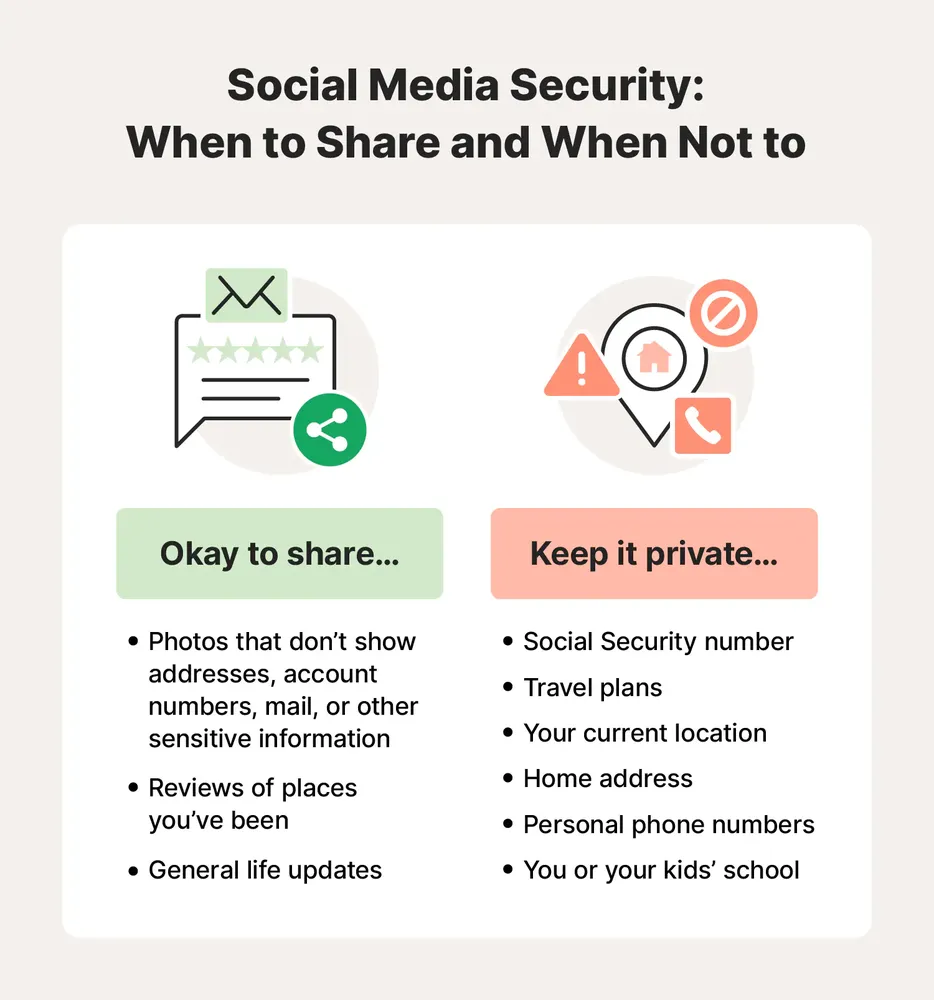
In modern electoral cycles, your digital footprint is highly valuable currency. Political campaigns no longer rely solely on broad television broadcasts; instead, they build highly detailed psychological profiles of individual citizens. Knowing how to protect personal data from political targeting is crucial to shield yourself from algorithmic manipulation, invasive ads, and hyper-personalized propaganda designed to skew public perception.
Every time you interact with online content, complete a survey, or leave your location services turned on, you feed a massive surveillance machine. To offset these risks, digital security experts suggest taking active, conscious measures to cut off the flow of information to consumer data brokers and campaign strategies alike.
Understanding How Political Tracking Works
Political microtargeting relies on assembling thousands of distinct data points about your daily lifestyle. Advertisers cross-reference local voter registration files with online shopping behavior, location histories, and entertainment choices. This approach can create tailored messages designed to trigger specific emotional reactions, which makes understanding digital footprints incredibly important during critical voting cycles.
For example, if you frequently look up alternative news sources online, you may find yourself subjected to unique digital narratives. In these high-stakes environments, learning how to bypass social media censorship in election periods becomes just as important as ensuring your private conversations remain confidential and out of public tracking pools.
The Role of Commercial Data Brokers
Data brokers are specialized companies that scrape public records, commercial transactions, and app permissions to sell consolidated user dossiers. Political entities purchase these packages to cluster neighborhoods by income, religious leaning, and psychological vulnerabilities. Research from the Electronic Frontier Foundation (EFF) indicates that the average internet user has their profile traded across dozens of distinct marketing pipelines daily.
| Data Category | How It Is Exploited |
|---|---|
| Location History | Tracks attendance at rallies or places of worship. |
| Purchase Records | Correlates lifestyle buying habits with political leanings. |
| Search Queries | Uncovers personal anxieties used for emotional ad hooks. |
Step-by-Step Security Actions
Minimizing exposure requires changing your default device permissions and tracking parameters. Follow these practical steps to form a solid defense framework against voter manipulation networks:
- Opt Out of Data Brokers: Use privacy platforms or manually send removal requests to aggregators like Acxiom, LexisNexis, and Whitepages to scrub your contact records from commercial sales lists.
- Audit App Permissions: Go into your phone settings and completely revoke location, contact list, and microphone permissions for apps that do not explicitly need them to function.
- Use a Masked Email Address: When signing petitions or joining community updates, use temporary aliases instead of your primary address to prevent campaign systems from matching your offline activities to your social media accounts.
Furthermore, staying alert online is vital. Knowing how to report political misinformation on social media ensures that even when targeted ads find a way into your feeds, the harmful content can be flagged and systematically removed before it spreads further through community groups.
Social Media and Browser Hardening
Major tech giants run highly profitable advertising networks that allow external groups to upload targeted custom audiences. If a campaign secures your phone number, they can feed it straight into ad managers to hit you with specific display creatives. You can limit this exposure by navigating to your account profile settings, checking the ad preference menu, and switching off options that pull data from third-party partners.
On your desktop and mobile devices, swap out standard tracking browsers for privacy-first alternatives like Brave or Firefox configured with tracking protection. These configurations actively block cross-site tracking scripts, making it difficult for automated algorithms to associate your reading history with an established political profile.
Frequently Asked Questions
What is political microtargeting?
It is a predictive data technique used by political entities to analyze your habits and interests, allowing them to target you with hyper-customized messaging based on your specific worldview.
Can a VPN stop campaigns from buying my data?
A VPN masks your location and network IP address, but it cannot stop data collection if you are logged directly into social platforms like Google, Apple, or Facebook while browsing web pages.
How do political groups get my mobile number?
Mobile details are typically gathered from voter registration registries, online petitions, loyalty shopping apps, or commercial data brokers who buy and sell consumer information packages.
Conclusion: Staying Safe from Digital Voter Profiling
Taking control of your data privacy is an ongoing process rather than a one-time adjustment. By removing your records from consumer broker archives, updating social network ad configurations, and using private browsing setups, you can break the feedback loops that fuel microtargeting networks. Protecting your data keeps your digital life private and preserves your independent choice away from targeted algorithmic persuasion.