





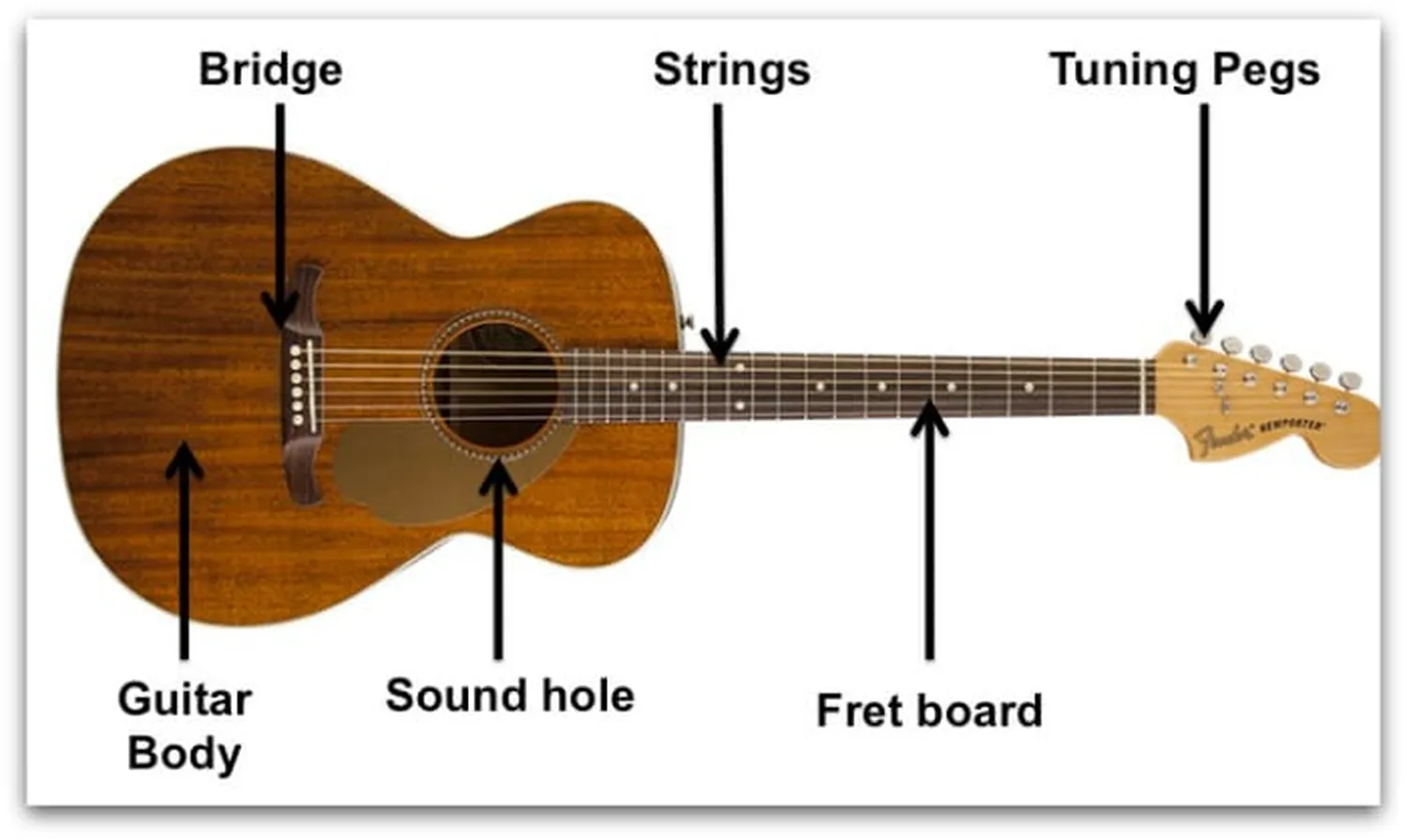
Learning how to play guitar for beginners at home has never been more accessible than in 2026. Whether you want to play for fun or dream of performing, you don't need expensive private tutors to start. With the right mindset, a decent instrument, and a structured plan, you can go from zero to playing your first song in just a few weeks. This guide breaks down the process into simple, actionable steps to help you master the basics effectively.
Why Learn Guitar at Home?
Home learning offers flexibility. You can practice at midnight or early morning without travel time. Much like learning how to make a professional music video using only a smartphone, learning guitar is about utilizing the digital tools available to you. You can find high-quality tutorials online and use AI-driven apps to track your progress.
Essential Gear You Need
Before you strum your first note, you need the right tools. Don't overspend on your first setup; focus on playability and comfort.
| Item | Purpose |
|---|---|
| Acoustic Guitar | Best for portability and simplicity. |
| Digital Tuner | Essential to keep the strings in pitch. |
| Medium Picks | Helps with strumming and clarity. |
| Guitar App | To follow structured lessons. |
First Steps: Tuning and Holding the Guitar
You cannot learn how to play guitar for beginners at home if your instrument sounds like a bag of cats. Tuning is the first skill to master. Most guitars use "Standard Tuning" which follows the sequence: E - A - D - G - B - E.
- Posture: Sit on a chair without arms. Keep your back straight.
- Hand Position: Your thumb should be at the back of the neck, not wrapped tightly over the top.
- Tuning: Use a clip-on tuner or a free smartphone app.
Once you are tuned up, you might pia be interested in other digital creative skills, such as learning how to create a viral AI cover song to accompany your guitar playing.
3 Chords to Play Hundreds of Songs
Don't overwhelm yourself with music theory. Start with "Open Chords." Mastering just three chords—G Major, C Major, and D Major—will allow you to play nearly 50% of popular pop and folk songs. Practice switching between them until your fingers stop hurting (yes, you will develop calluses!).
How to Stay Motivated
The biggest challenge in learning how to play guitar for beginners at home is consistency. It is better to practice for 15 minutes every day than for 3 hours once a week. Set a specific time and stick to it. If you find yourself getting bored, try diversifying your hobbies. For instance, you could take a break and learn how to watch latest Hollywood movies for free on Android to relax your mind before your next session.
Common Mistakes to Avoid
- Pressing too hard on the strings (it shouldn't require extreme force).
- Skipping the tuning process before every session.
- Trying to play fast before playing accurately.
Frequently Asked Questions
How long does it take to learn guitar?
Most beginners can play a simple song within 2 to 4 weeks of daily 20-minute practice sessions.
Do I need to learn sheet music?
No, most modern players start with "Tabs" (Tablature), which is a much easier way to read guitar music.
Should I start with Acoustic or Electric?
Acoustic is great for beginners because it doesn't require an amp, but Electric is often easier on the fingers.
Final Thoughts
Learning how to play guitar for beginners at home is a rewarding journey that builds discipline and creativity. Start small, be patient with your progress, and most importantly, have fun. If you are looking to expand your digital presence as an artist later, you can also learn how to verify your artist profile on Spotify to share your music with the world.