





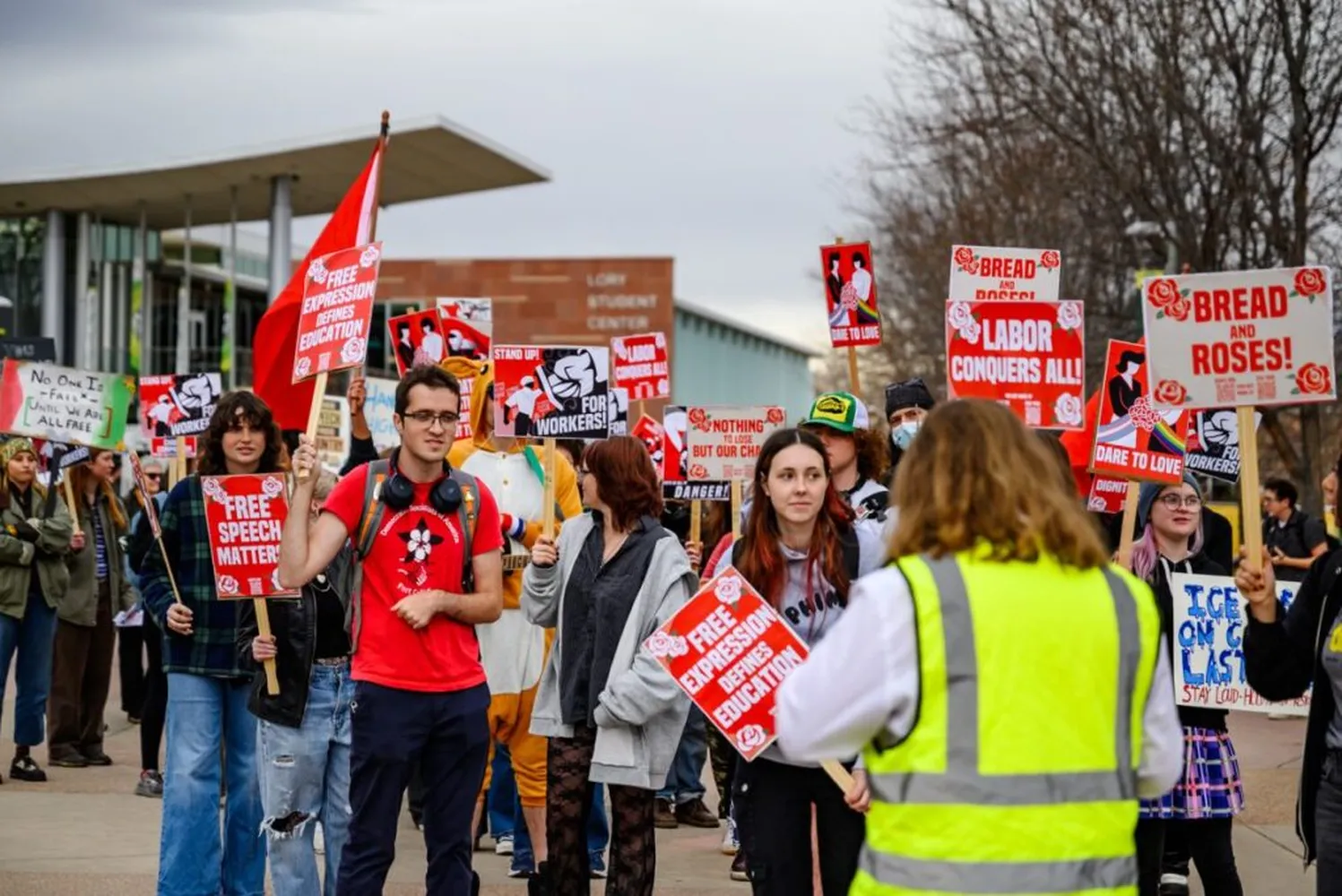
Public demonstrations remain among the most powerful tools for driving systemic change, shaping legislative priorities, and amplifying marginalized voices. However, executing a successful event requires a firm understanding of constitutional boundaries, municipal rules, and safety protocols. Learning how to organize a peaceful political protest legally ensures your group remains fully protected while conveying its core message safely.
Without proper legal planning, organizers run the risk of structural shutdowns, unexpected fines, or administrative disruptions. This operational roadmap details the exact steps needed to protect your constitutional rights, secure the necessary municipal permits, coordinate with civic agencies, and safely manage crowds on site.
1. Constitutional Foundations of Public Assembly
The absolute foundation of legal public expression rests upon established constitutional protections, such as those found in the United States Bill of Rights First Amendment, which explicitly guarantees freedom of speech, peaceful assembly, and the right to petition the government for a redress of grievances. Understanding these boundaries helps protect your event from unauthorized interference.
However, these protected rights are not completely unlimited. Courts have consistently ruled that local municipalities hold the authority to enforce narrow, content-neutral parameters known strictly as Time, Place, and Manner restrictions. This means that while a city council cannot block an assembly because of its political message, it can enforce rules regarding maximum decibel levels, late-night hours, and the complete obstruction of busy public transit pathways.
To maximize legal protections, look to implement other democratic tools alongside your assembly. For instance, learning how to write a petition to the government that works can provide your supporters with a structured, tangible action item to sign during the demonstration itself.
2. Navigating Municipal Permits and Ordinances
A critical stage in learning how to organize a peaceful political protest legally involves identifying whether your specific assembly requires a formal municipal permit. Filing timelines can vary widely depending on the city, often requiring paperwork anywhere from 5 to 45 days before the event date.
When Is an Official Permit Required?
As a general rule, standard street marches, rallies that block traffic, or events using heavy sound systems require authorization. The comparative data table below clarifies when a permit is necessary versus when an informal assembly is protected by default:
| Assembly Detail | Permit Status |
|---|---|
| Sidewalk gatherings without blocking paths | Not Required |
| Marches moving down public streets | Required |
| Amplified speaker systems or large stages | Required |
| Spontaneous reaction rallies to breaking news | Exempt (Typically) |
If your team prefers to operate without complex city applications, focus your planning entirely on public sidewalk models. Participants must remain moving and keep walkways clear so that regular pedestrian traffic can flow freely without disruption.
3. Operational Framework for Legal Protest Compliance
Moving an assembly from a basic idea to an organized, compliant event requires a clear step-by-step logistical strategy. Follow this structural framework to ensure your demonstration stays well within local legal boundaries:
- Determine the Legal Forum: Select traditional public forums such as public parks, plazas, or city hall sidewalks. Avoid private commercial spaces unless you have signed, written consent from the property owners.
- Submit Local Paperwork Early: File applications with the municipal clerk or police department's special events division well ahead of schedule. Always request a written receipt of your submission.
- Establish Sound and Equipment Limits: Verify local sound restrictions. Keep all megaphones and sound systems within permitted decibel levels to prevent noise ordinance citations.
- Coordinate Traffic Management: If marching, review your exact route maps alongside local city engineers to set up safety blockades or manage necessary street detours.
- Arrange Post-Event Cleanup: Set up a dedicated volunteer waste management team. Keeping the area clean prevents municipal littering fines and maintains good standing with the community.
To sustain community support over time, organizers must also learn to balance passionate activism with respectful dialogue. Reviewing strategies on how to debate politics without losing friends can help your volunteer teams maintain productive interactions with onlookers, counter-protesters, and local business owners during the event.
4. Implementing Safety and De-escalation Systems
The long-term success of any demonstration relies heavily on maintaining a safe environment. A single disruptive incident can quickly overshadow a constructive message. Organizers should proactively build an internal safety framework to protect all participants.
The Role of Trained Volunteer Marshalls
Deploy a dedicated group of internal safety marshalls throughout the crowd. These individuals should wear high-visibility vests and focus purely on logistical safety, keeping pathways clear and monitoring for potential hazards. Marshalls act as a calm buffer, using proven de-escalation techniques to defuse tension if agitators try to disrupt the event.
Establishing Clear Legal Liaison Protocols
Designate specific leadership members to serve as the exclusive point of contact for municipal officials or law enforcement officers on site. This keeps communication clear and professional, preventing mixed messages or unnecessary confusion during the event. Additionally, it is highly recommended to partner with independent, non-partisan legal observers who can document the entire demonstration objectively.
When dealing with complex structural issues, keeping your leadership team informed is vital. Organizers can learn how to understand constitutional amendments easily to ensure all marshalls clearly grasp their civil protections, allowing them to communicate confidently and accurately with local authorities.
5. Safe Digital Organization and Data Management
Modern community organization relies heavily on digital tools for coordinating logistics, managing volunteer teams, and raising necessary resources. When building your online outreach networks, always prioritize user privacy and complete financial transparency.
If your campaign requires raising money for permit applications, equipment rentals, or safety gear, make sure you use trusted, accredited payment processors. Learning how to donate to political campaigns transparently provides excellent foundational guidelines for tracking contributions cleanly, keeping detailed records, and maintaining complete compliance with all relevant financial disclosure laws.
Furthermore, ensure that your broader educational outreach addresses the systemic issues behind your cause. For groups focused on global economic equity or international relations, integrating resources on how to read economic sanctions impact on world politics can provide your members with valuable context, helping them connect local demonstrations to larger international policies.
6. Frequently Asked Questions (FAQs)
Can a municipality deny a protest permit based on the message of the demonstration?
No. Local governments are legally required to review all applications using strictly content-neutral criteria. Denying an application based purely on the political viewpoint of the organizers is a direct violation of constitutional protections.
What should organizers do if counter-protesters arrive at the same location?
Counter-protesters share the same rights to peaceful assembly in public spaces. Event marshalls should focus on maintaining a safe physical distance between the groups, advising participants to stay focused on their own program rather than engaging directly with outside agitators.
Are organizers legally responsible for the actions of individual attendees?
As a general rule, organizers cannot be held liable for the independent, unlawful acts of individual attendees, provided the leadership team did not plan, direct, or encourage those specific disruptions. Maintaining clear safety protocols demonstrates your commitment to a peaceful event.
Is it legal to photograph or film law enforcement officers during a protest?
Yes. In most democratic jurisdictions, individuals have a protected right to film or photograph police officers who are performing their public duties in open public spaces, provided the filming does not physically interfere with their operations.
Conclusion: Empowering Communities Through Structured, Legal Assembly
Mastering how to organize a peaceful political protest legally allows grassroots groups to focus fully on their message without facing avoidable legal or logistical hurdles. By choosing the right public forum, filing required permits early, using structured safety marshalls, and keeping communication transparent, your team can build a safe, compliant, and highly impactful event. Well-planned organization ensures your voice is heard clearly while keeping your community fully protected.