





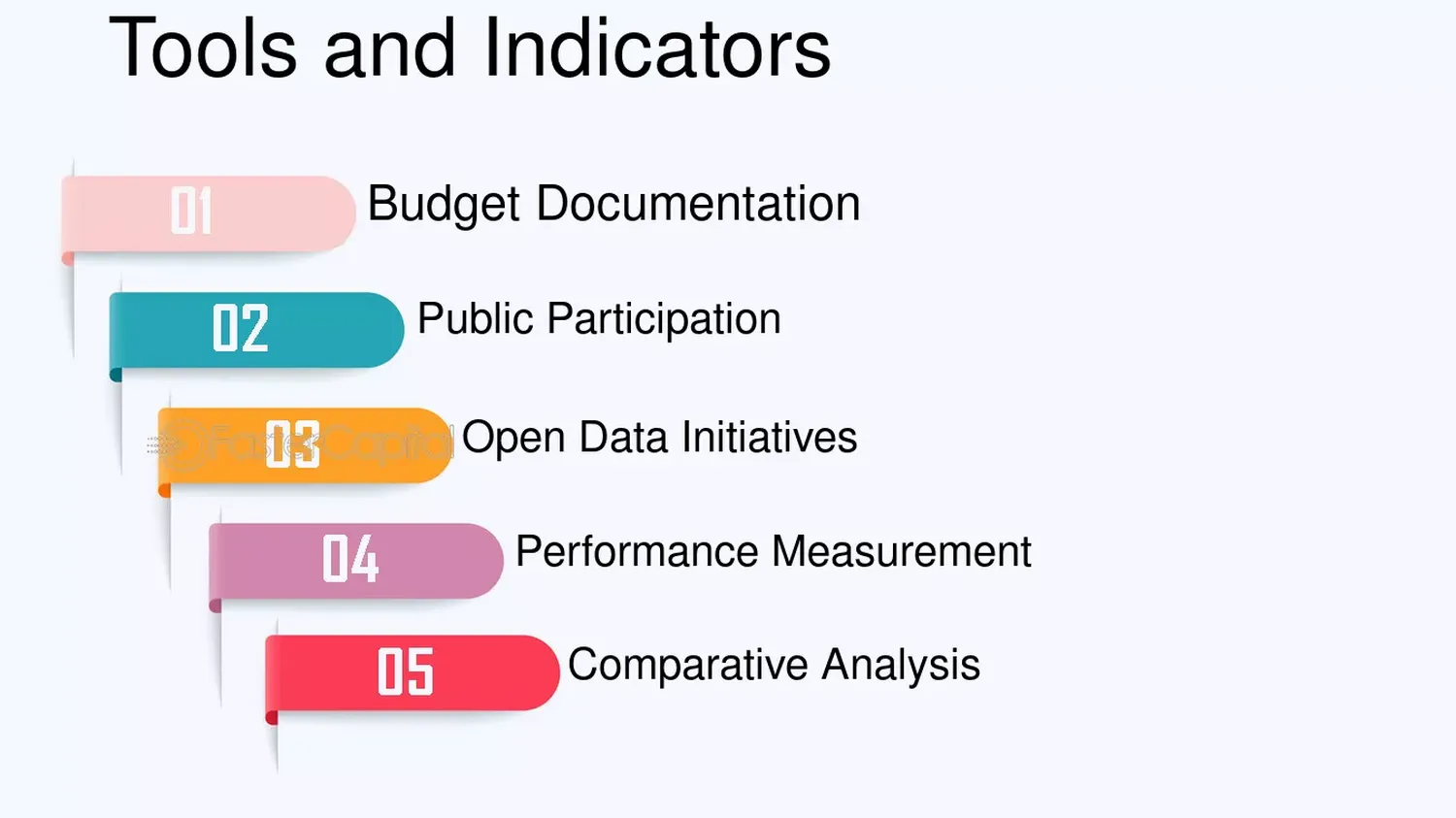
Knowing how to monitor local government budget transparency is a vital skill for anyone interested in civic accountability and fiscal responsibility. As we move through 2026, local authorities are increasingly digitizing their financial records, yet access doesn't always equal clarity. Monitoring these budgets ensures that public funds are utilized for community development rather than being lost to inefficiency or lack of oversight.
Why You Must Learn How to Monitor Local Government Budget Transparency
Transparency is the bedrock of democracy. When you understand how to monitor local government budget transparency, you empower yourself to question allocations that don't serve the public interest. This process often intersects with other forms of oversight, such as learning how to track legislative policy reforms, which dictates how budgets are initially drafted.
Key Indicators of Financial Transparency
A transparent budget is not just a list of numbers; it is a narrative of a city's priorities. To evaluate it effectively, you should look for the following qualitative data points:
- Timeliness: Reports should be published within 30 days of the quarter's end.
- Accessibility: Documents must be in machine-readable formats (like CSV or Excel), not just locked PDFs.
- Detail: Line-item expenditures should be visible to avoid "miscellaneous" spending traps.
| Transparency Level | Score (1-10) | Key Feature |
|---|---|---|
| Low | 1 - 3 | Only total summaries provided. |
| Medium | 4 - 7 | Quarterly reports available. |
| High | 8 - 10 | Real-time open data portal. |
Steps to Monitor Local Spending Effectively
To get started, follow this systematic approach to ensure you don't miss critical financial movements:
- Obtain the Enacted Budget: This is the plan approved at the start of the year.
- Compare with In-Year Reports: These show actual spending. If the government is spending more than planned, it may indicate sovereign debt sustainability issues at a micro-level.
- Analyze Public Procurement: Review contracts awarded to private firms to ensure fair bidding processes.
- Engage via Digital Platforms: Use your skills on how to participate in digital civic activism to share findings and mobilize other residents.
Digital Tools for Modern Oversight
In 2026, manual tracking is outdated. Use data scraping tools or official "Open Budget" apps provided by NGOs. These tools help simplify complex financial jargon into visual charts. However, be wary of fake data; knowing how to spot AI-generated political disinformation is essential when cross-referencing budget claims made by political actors on social media.
Frequently Asked Questions (FAQs)
What is a line-item budget?
It is a detailed budget that lists every single expense category, from office supplies to massive infrastructure projects, allowing for precise tracking.
How can I challenge a local budget?
Most local governments have "Public Comment" periods during budget hearings where citizens can present data-backed objections.
Final Thoughts on Fiscal Accountability
Mastering how to monitor local government budget transparency is not a one-time event but a continuous commitment to your community. By staying informed and using digital resources, you ensure that "public" money truly remains public. This oversight is the strongest tool against corruption and the best way to ensure a prosperous local economy.