





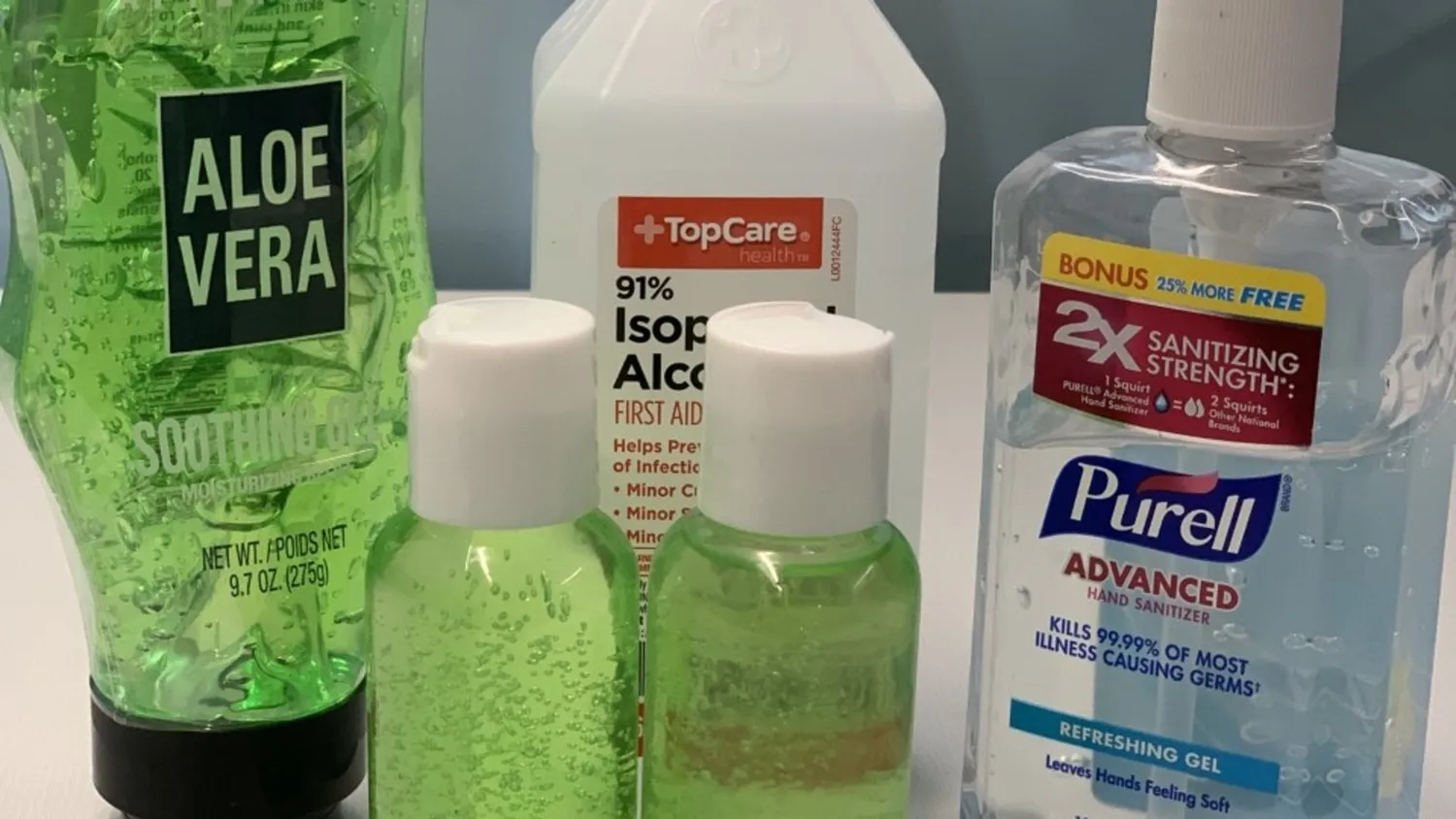
In an era of unpredictable global health challenges, self-reliance in hygiene is no longer a hobby—it is a necessity. This guide provides an exhaustive look at creating pharmaceutical-grade hand sanitizer using household and lab-accessible materials, strictly following the World Health Organization (WHO) Guidelines.
Section 1: The Molecular Science of Germicidal Alcohol
To understand why we use specific ratios, we must look at the viral envelope. Viruses such as Influenza and various respiratory pathogens possess a lipid membrane. Alcohol at a concentration of 60% to 95% denatures these proteins and dissolves the lipid wrap, effectively "killing" the virus. Using 100% pure alcohol is actually less effective because water is required to facilitate the denaturing process.
Section 2: Required Ingredients and Specifications
To produce a high-yield, effective batch, you will need the following:
- Isopropyl Alcohol (99% Concentration): The active antimicrobial agent.
- Aloe Vera Gel (99% Pure): Acts as a humectant to protect skin from chemical burns and cracking.
- Hydrogen Peroxide (3%): Not for your hands, but to eliminate bacterial spores within the mixture itself.
- Distilled Water: To reach the exact 75-80% final alcohol concentration.
- Tocopherol (Vitamin E Oil): Optional stabilizer for prolonged shelf life.
Section 3: The Step-by-Step Manufacturing Process
Phase 1: Sterilization
Ensure all mixing bowls (preferably glass or stainless steel) are sterilized with boiling water. Any contamination at this stage will compromise the entire 5-gallon batch.
Phase 2: The 2:1 Master Ratio
For a standard gel-based sanitizer, combine two parts alcohol with one part aloe vera gel. If you are aiming for a liquid spray (more effective for surfaces), increase the alcohol ratio to 3:1.
Phase 3: Incorporation and Curing
Whisk the ingredients vigorously. Once combined, the solution must "cure" in its final bottles for exactly 72 hours. This window is non-negotiable as it allows the Hydrogen Peroxide to neutralize any contaminants introduced during the pouring process.
Section 4: Advanced Application Techniques
Simply rubbing your palms is insufficient. You must apply enough product to keep the hands wet for at least 20 seconds, covering the dorsal aspect of the hands, interdigital spaces (between fingers), and the subungual regions (under fingernails).
For further reading on maintaining a sterile environment, visit our guide on Disinfecting High-Risk Zones.