





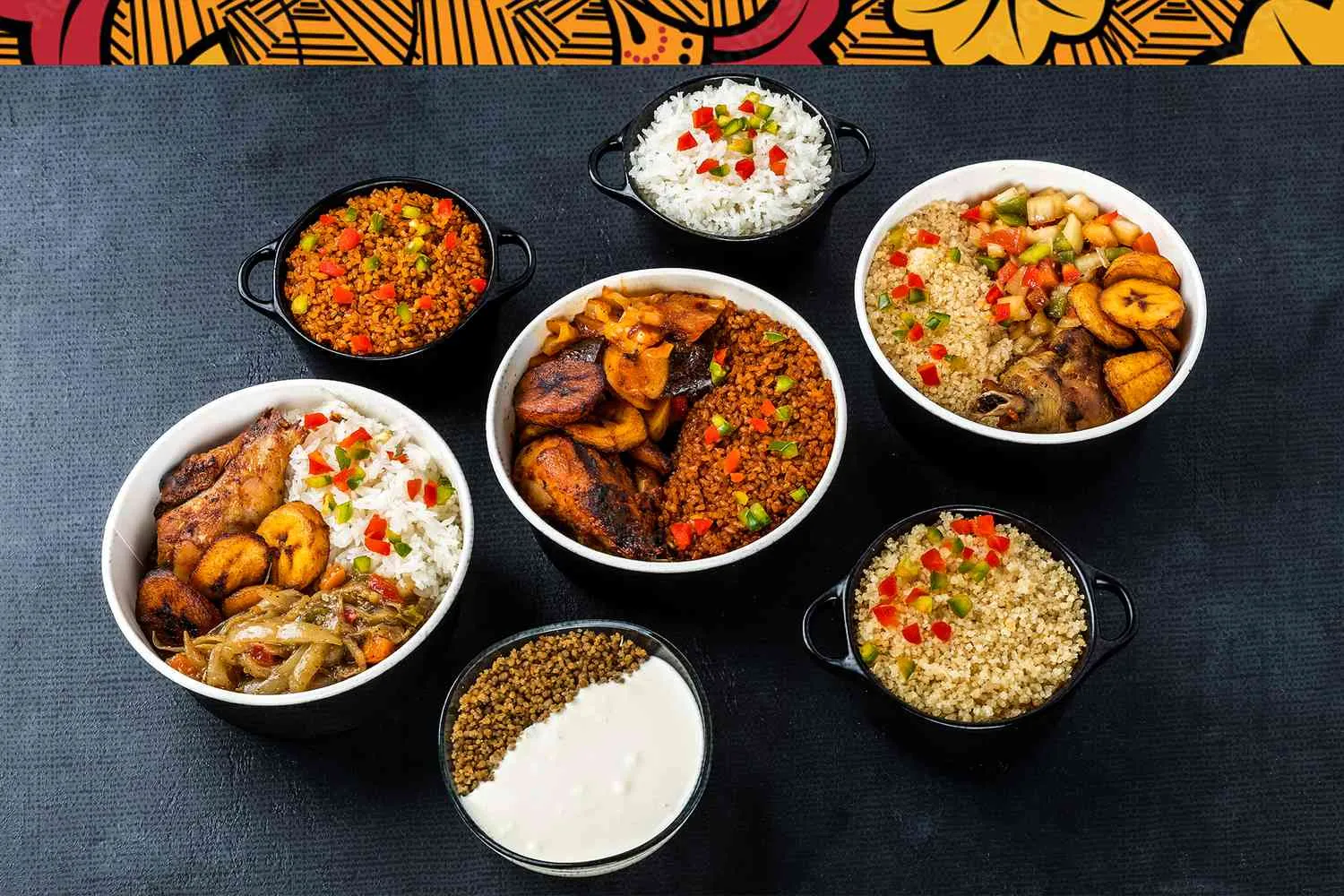
Understanding how to lose weight fast using traditional African healthy foods is not just about a temporary diet; it is about returning to a lifestyle that sustained our ancestors for generations. Modern processed foods have led to a rise in lifestyle diseases, but our indigenous pantry holds the secret to natural, sustainable weight management. By focusing on high-fiber, nutrient-dense, and low-glycemic foods, you can shed pounds without feeling hungry or deprived.
The Science Behind the Traditional African Diet
Traditional African meals are naturally structured to support a healthy metabolism. Most indigenous staples are rich in complex carbohydrates and resistant starch, which keep you full longer. For many, managing weight is as much a mental challenge as a physical one, similar to how a young entrepreneur must manage stress to stay productive. When your body is fueled correctly with natural foods, your hormones balance out, making weight loss much easier.
Best African Foods for Rapid Weight Loss
If you want to see results quickly, prioritize these specific food groups in your daily meals:
- Indigenous Leafy Greens: Amaranth (Mchicha), Sukuma Wiki, and Baobab leaves are extremely low in calories but packed with vitamins.
- Complex Tubers: Sweet potatoes and yams provide steady energy without the insulin spikes caused by white bread or refined sugar.
- Ancient Grains: Sorghum, Millet, and Teff are gluten-free and contain high levels of protein and fiber.
- Legumes: Cowpeas, Bambara nuts, and lentils are essential for muscle retention during fat loss.
Nutritional Value of Key African Staples
| Food Item | Key Benefit | Fiber Content |
|---|---|---|
| Sorghum | Metabolism Boost | High |
| Mchicha | Detoxification | Very High |
| Sweet Potato | Satiety | Medium |
| Beans | Muscle Building | High |
How to Structure Your Traditional Meal Plan
A common mistake in African households is the ratio of starch to vegetables. To lose weight, fill 50% of your plate with vegetables, 25% with lean protein (fish, beans, or lean meat), and only 25% with traditional starch like Ugali wa Muhogo or Millet porridge. For those looking for local skin benefits while dieting, learning how to treat acne naturally can complement your internal health journey.
Additionally, keeping your lifestyle simple and sustainable is key. Much like people who choose sustainable living in big cities, your diet should focus on what is locally available and unprocessed.
Habits for Success
1. **Hydrate Naturally:** Swap soda for hibiscus tea (Bissap/Roselle) or plain water. 2. **Controlled Portions:** Use smaller traditional bowls to avoid overeating. 3. **Active Living:** Walk more often. If you are a digital worker, perhaps learning coding for a remote job has made you sedentary; make sure to stand up every hour.
FAQs on Losing Weight with African Foods
Can I eat Ugali and still lose weight?
Yes, but choose whole-grain maize, millet, or sorghum Ugali and limit the portion to the size of your fist.
Are African soups good for weight loss?
Light, broth-based vegetable or fish soups are excellent. Avoid those with excessive palm oil or added processed fats.
How fast will I see results?
Most individuals see a difference in bloating within 7 days and noticeable weight loss within 3-4 weeks of consistent eating.
Conclusion
The journey of how to lose weight fast using traditional African healthy foods is a rewarding path back to your roots. By choosing whole, indigenous ingredients over imported processed goods, you nourish your body and support local farmers. Start today by adding one extra serving of greens to every meal and witness the transformation.