





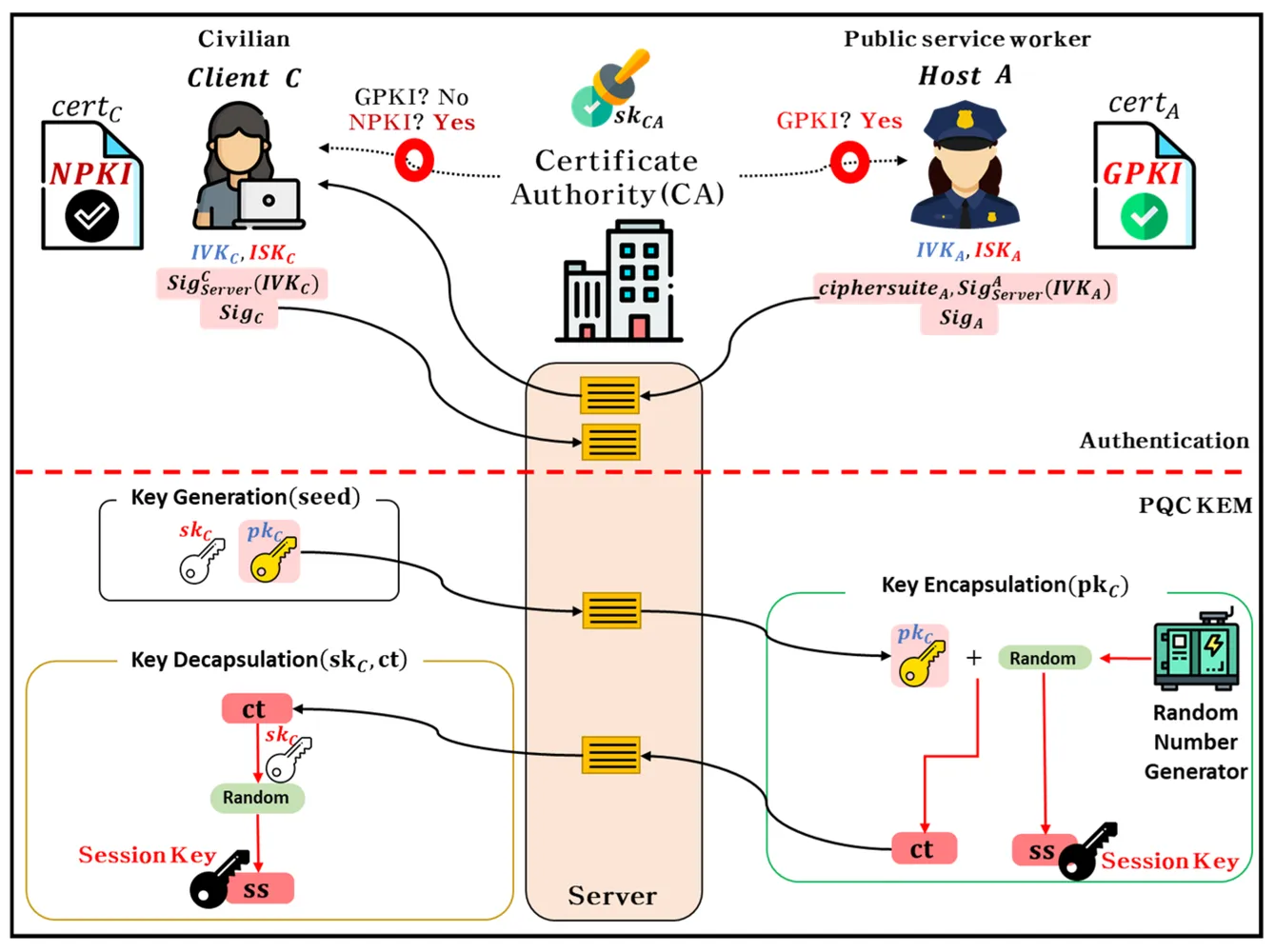
As quantum computing moves from theory to reality, the security of our current digital infrastructure is under threat. Learning how to implement post-quantum cryptography is no longer optional for high-stakes applications. Modern RSA and Elliptic Curve Cryptography (ECC) will eventually be vulnerable to "Shor’s Algorithm," which can break standard encryption in hours. By integrating PQC today, you protect your users against "Harvest Now, Decrypt Later" attacks.
Why Your App Needs PQC Now
Quantum computers don't need to be widely available to be a threat. Data intercepted today could be decrypted in the 2030s. If your app handles long-term sensitive data, you should consider a transition. Modern frameworks, including TypeScript 6.0, are already seeing libraries emerge that support quantum-resistant logic.
Choosing the Right NIST Algorithms
The National Institute of Standards and Technology (NIST) has finalized its primary PQC standards. To know how to implement post-quantum cryptography correctly, you must use these specific primitives:
- ML-KEM (formerly Kyber): Used for general encryption and key encapsulation.
- ML-DSA (formerly Dilithium): The primary choice for digital signatures.
- SLH-DSA (formerly SPHINCS+): A backup signature scheme based on hash functions.
The Hybrid Implementation Strategy
Total reliance on PQC is risky because these algorithms are relatively new. The gold standard for 2026 is Hybrid Cryptography. This involves wrapping a classical algorithm (like X25519) with a quantum-resistant one (like Kyber-768). If one is broken, the other still protects the data. This is particularly useful when you deploy an AI-native app on Edge computing where security and latency must be balanced.
Step-by-Step Implementation
Follow these steps to transition your app to a quantum-resistant posture:
- Inventory your assets: Locate every instance of RSA, ECDSA, and Diffie-Hellman in your backend and client code.
- Upgrade Libraries: Use libraries like liboqs (Open Quantum Safe) or updated versions of OpenSSL (3.4+).
- Modify the Key Exchange: Replace your standard TLS handshake with a hybrid KEM.
- Update Data at Rest: While AES-256 is generally quantum-secure, your key management systems likely use RSA. These must be swapped for PQC alternatives.
When refactoring these systems, many developers use AI coding assistants for legacy code refactoring to ensure that complex cryptographic logic is migrated without introducing human error.
Performance Metrics and Data
PQC algorithms generally have larger key sizes and higher CPU requirements than classical methods. Below is a comparison of performance impact on mobile devices.
| Algorithm | Key Size (Bytes) | CPU Latency |
|---|---|---|
| RSA-3072 | 384 | Low |
| Kyber-768 | 1,184 | Moderate |
| Dilithium3 | 1,952 | High |
Qualitative data from early adopters suggests a 15-25% increase in handshake latency. Optimization is key, sawa na jinsi unavyoweza optimize React Ripple components ili kuhakikisha UI inabaki na speed nzuri.
Frequently Asked Questions
Will PQC slow down my mobile app?
There is a slight overhead due to larger key sizes, but modern mobile processors in 2026 handle PQC with negligible impact on the end-user experience.
Is AES-256 already quantum-safe?
Yes, symmetric encryption like AES-256 is considered resistant to quantum attacks. The primary threat is to asymmetric encryption like RSA.
Conclusion
Securing your app for the future requires proactive steps. By understanding how to implement post-quantum cryptography using a hybrid approach, you protect your data from today's eavesdroppers and tomorrow's quantum computers. Kwa maelezo zaidi ya kiufundi, unaweza kusoma mwongozo wa NIST PQC project.