





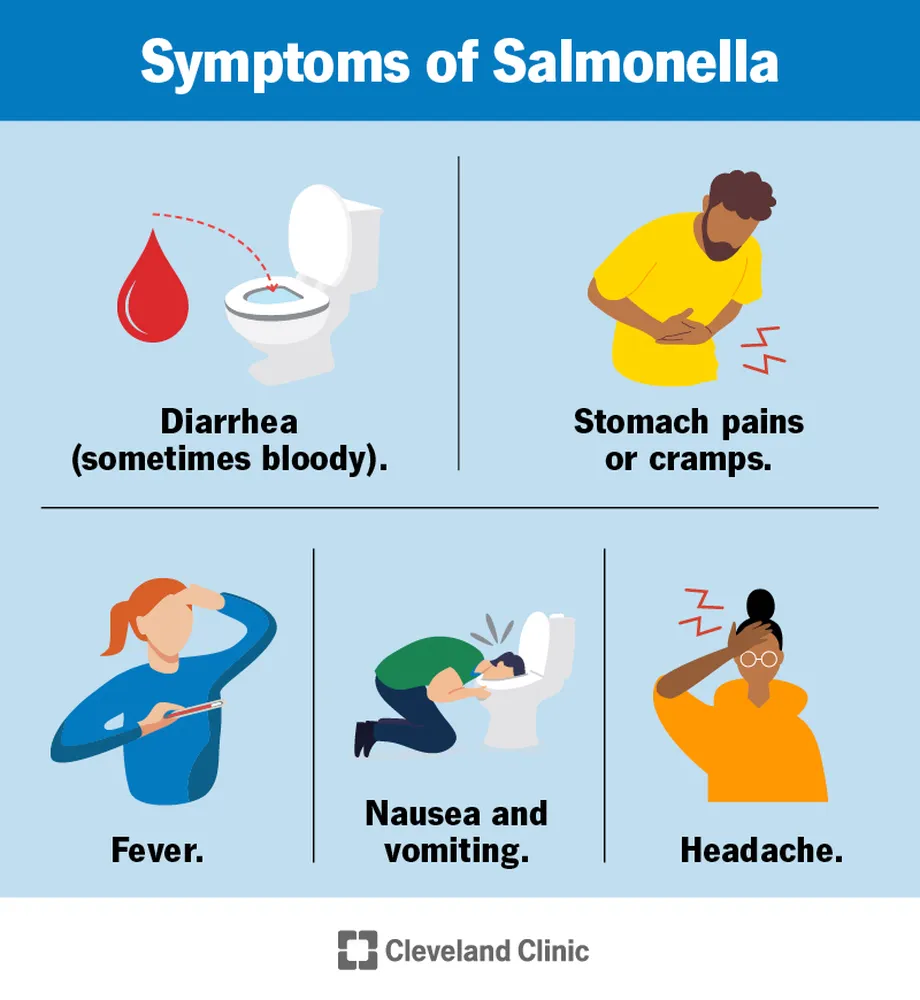
Learning how to identify drug-resistant Salmonella symptoms is becoming a critical skill in modern healthcare. As bacteria evolve, standard treatments like ciprofloxacin or ceftriaxone sometimes fail.
What is Drug-Resistant Salmonella?
Salmonella is a type of bacteria usually found in contaminated food. "Drug-resistant" means the specific strain has developed a "shield" against common medications.
Key Symptoms of Resistant Strains
- Persistent High Fever: Above 102°F (39°C) even after meds.
- Bloody Stools: Intense inflammation in the gut.
- No Improvement: Symptoms lasting over 72 hours despite treatment.
Normal vs. Drug-Resistant Salmonella
| Feature | Standard Strain | Drug-Resistant |
|---|---|---|
| Fever Duration | 2-3 days | 5+ days |
| Medication Response | Improves in 24h | No change/Worsens |
Testing for Resistance
You cannot identify resistance by sight alone. Doctors perform a Stool Culture and Antibiotic Susceptibility Test (AST) to find which drugs work.