





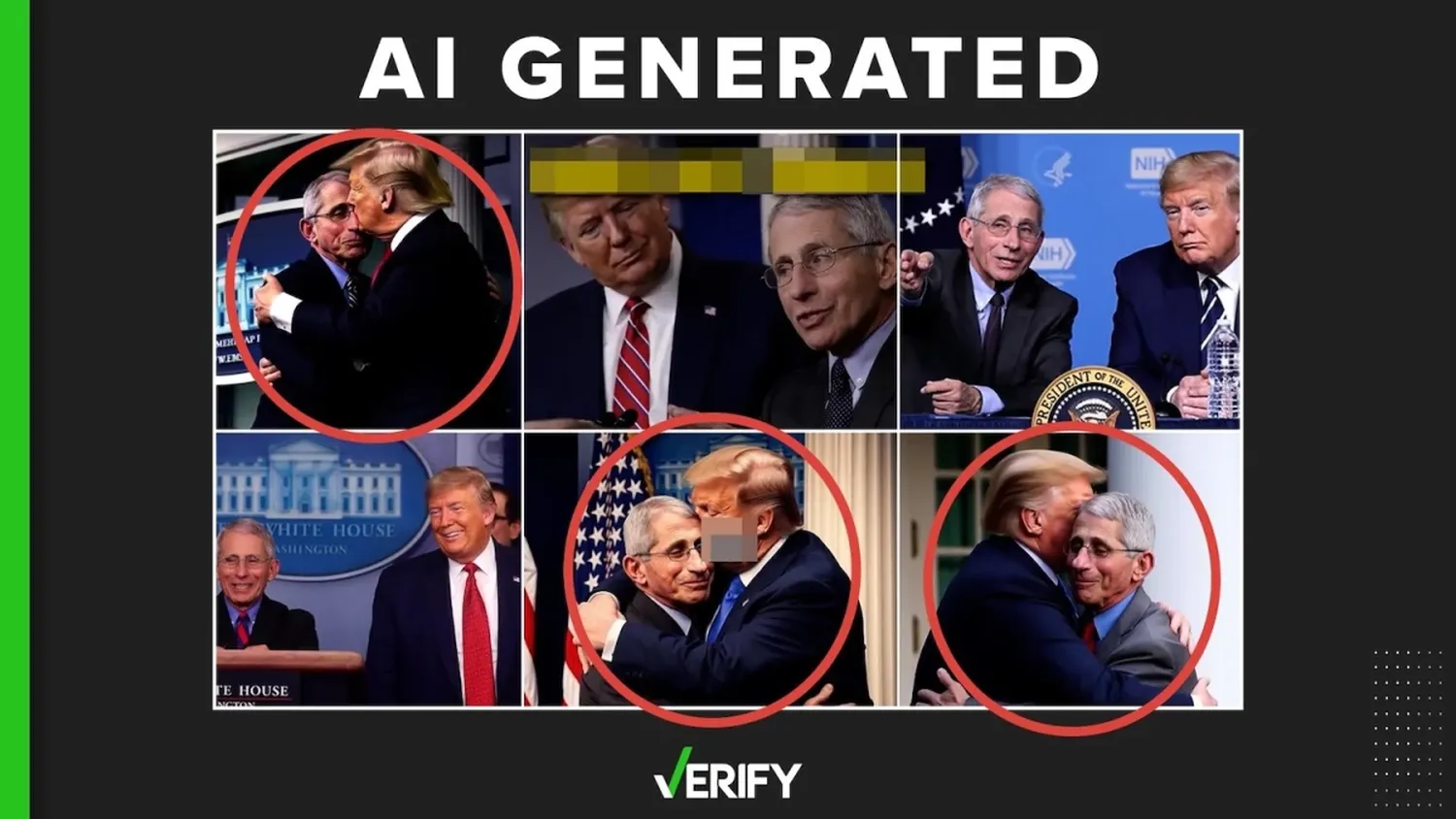
As the 2026 midterm elections approach, the digital landscape is flooded with sophisticated synthetic media. Learning how to identify AI-generated political ads has become a critical skill for every voter. With generative AI tools now capable of producing high-fidelity deepfakes in seconds, distinguishing between a candidate's real statement and an algorithmic fabrication is vital for maintaining the integrity of our democratic process.
The rise of AI in politics isn't just about fun filters; it's about targeted misinformation. Research shows that nearly 50% of people struggle to distinguish high-quality deepfakes from real footage without technical assistance. Before you learn how to navigate new voting rules in Georgia and Arizona, you must first ensure the information you are consuming is authentic.
Visual Forensics: Spotting the Glitch
AI models often leave "digital fingerprints" that the human eye can catch if you know where to look. When analyzing a political ad, focus on the following areas:
- Eye Movement and Blinking: Natural humans blink every 2 to 10 seconds. Many AI-generated faces blink inconsistently or not at all.
- The Shadow of the Lip: Watch closely when a candidate speaks. AI often struggles to render the complex shadows inside the mouth and around the teeth.
- Background Distortions: Look for "halos" or blurring where the candidate's hair meets the background—a common sign of a poorly rendered deepfake.
| Detection Feature | Human Presence | AI Generated |
|---|---|---|
| Skin Texture | Visible pores/wrinkles | Unnaturally smooth |
| Blinking Pattern | Random and natural | Robotic or absent |
| Audio Sync | Perfect alignment | Slight micro-delays |
Audio Discrepancies: The Sound of Silicon
Synthetic audio is often used to create fake endorsements. While you might be focused on how to protect your remote work status, protecting your ears from deceptive political audio is equally important. Listen for metallic tones, a lack of natural breathing sounds, and phrases that sound "stitched" together without a natural cadence.
Using Platform Transparency Tools
In 2026, major platforms like Google and Meta require disclaimers for AI-altered political content. Always look for small icons or text labels that say "Digitally Altered" or "AI Generated." However, be wary of ads on unregulated encrypted apps where these rules are harder to enforce. It is as crucial as knowing how to apply for a US visa to understand the digital regulations governing your news feed.
Verify Before You Share
If a political ad seems too shocking to be true, it likely is. Use dedicated verification tools like Reality Defender or InVID to analyze suspicious clips. Always cross-reference extreme claims with non-partisan outlets like Snopes or PolitiFact before deciding on your midterm strategy.
Actionable Checklist for Voters
- Check the official campaign website for the original video.
- Analyze the candidate's ears and glasses for warping.
- Verify the source of the ad—is it a registered PAC or an anonymous account?
- Use reverse image search on a single frame of the video.
Conclusion: Your Role in a Clean Election
Understanding how to identify AI-generated political ads before the midterms is your greatest contribution to a fair election. By remaining skeptical of sensational content and using forensic observation, you can separate synthetic propaganda from genuine political discourse. Stay informed, stay critical, and ensure your vote is guided by truth, not a computer-generated illusion.