






How to Dress Professionally for a Job Interview: The 2026 Complete Guide
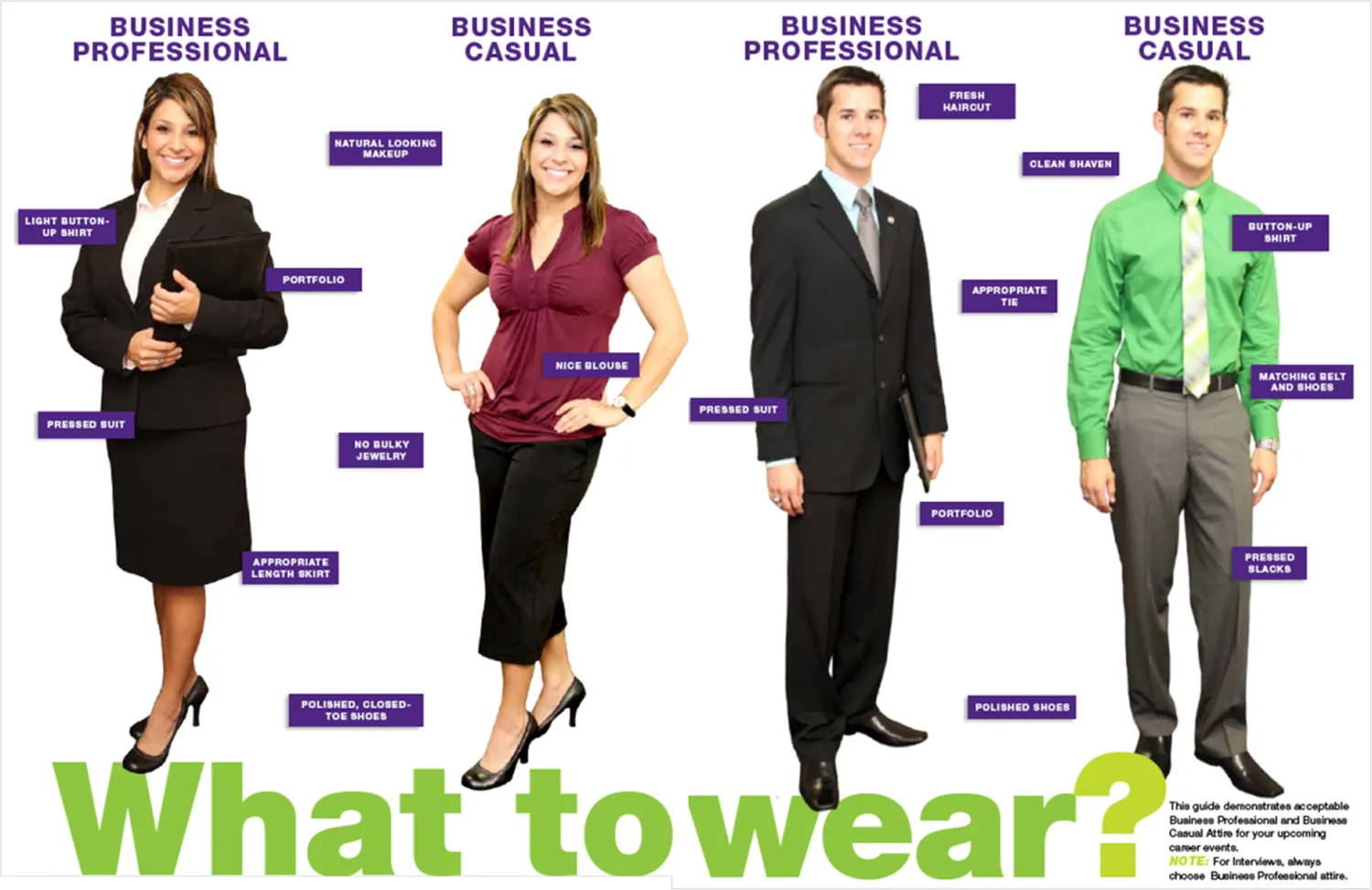
Walking into an interview room (or joining a virtual call) is the moment your career path could change forever. While your resume gets you through the door, your appearance speaks volumes before you even open your mouth. Mastering how to dress professionally for a job interview is about more than just clothes; it’s about signaling your competence, respect, and cultural fit.
In 2026, the definition of "professional" has shifted. With the rise of remote work and tech startups, the traditional black suit isn't always the right answer. This guide will walk you through everything you need to know to nail your look.
1. Deciphering Modern Dress Codes
Before you even pick out a shirt, you need to research the company culture. Dressing for a law firm is vastly different from dressing for a creative agency.
- Business Formal: This is the gold standard for banking, law, and high-level corporate roles. It requires a tailored suit (navy, charcoal, or black) and a crisp button-down shirt with a tie, or a professional suit-dress/pantsuit.
- Business Casual: Common in tech and marketing. Think chinos or slacks paired with a blazer or a high-quality knit. You can learn how to wear a suit without a tie for this specific look.
- Smart Casual: Used for informal "coffee chats" or creative roles. Dark, clean denim (no holes) and a structured top are acceptable here.
2. The Strategy of Color
Colors are not just aesthetic choices; they carry psychological weight. When considering how to dress professionally for a job interview, consider these shades:
| Color | Psychological Impact | Best For |
|---|---|---|
| Navy Blue | Trust, Integrity, Authority | Any Professional Role |
| Charcoal Grey | Analytical, Logical, Sophisticated | Finance & Tech |
| White | Organized, Clean, Precise | Standard Underlayer |
| Black | Leadership, Power | Management Positions |
3. Dressing for Virtual Interviews
Virtual interviews are here to stay. However, just because you are at home doesn't mean you should dress like it. A common question is whether you should dress "full-out" for a camera. The answer is yes. Dressing fully (including shoes) puts you in a professional mindset.
Avoid busy patterns that might "vibrate" on a webcam. Solid, saturated colors work best against most backgrounds. Ensure your grooming is top-notch; high-definition cameras are very unforgiving with messy hair or unkempt facial hair.
4. It’s All in the Details (Grooming & Accessories)
Even the most expensive suit will look unprofessional if it’s wrinkled or paired with dirty shoes. Pay attention to these final touches:
- Footwear: Ensure your shoes are polished. If you're wearing white sneakers for a casual role, make sure you know how to keep them spotless.
- Accessories: Keep it minimal. A classic watch is excellent, but avoid loud, clanking jewelry that might distract from the conversation.
- Bag/Portfolio: Carry a clean leather portfolio or a structured bag. Avoid bringing a gym backpack into a boardroom.
5. Common Mistakes to Avoid
Even seasoned professionals make mistakes. Avoid these pitfalls:
- Overpowering Scents: Avoid heavy perfume or cologne. Many offices are scent-free environments.
- Poor Fit: A suit that is too big makes you look like you’re "playing dress-up." A suit too small looks uncomfortable.
- Ignoring the Fabric: Cheap fabrics shine under artificial light. Always try to identify quality fabric before purchasing your interview attire.
Frequently Asked Questions
Can I wear jeans to an interview?
Only if explicitly told the office is "ultra-casual." Even then, opt for dark, unwashed denim with no distress or holes.
Should I cover my tattoos?
While society is more accepting in 2026, it is often safer to cover visible tattoos for the initial meeting unless it's a highly creative or unconventional industry.
Conclusion
Learning how to dress professionally for a job interview is a career skill just as important as coding or project management. It shows you are a professional who pays attention to detail. Once you have your interview look ready, you can focus on what really matters: your skills and your vision for the future.