





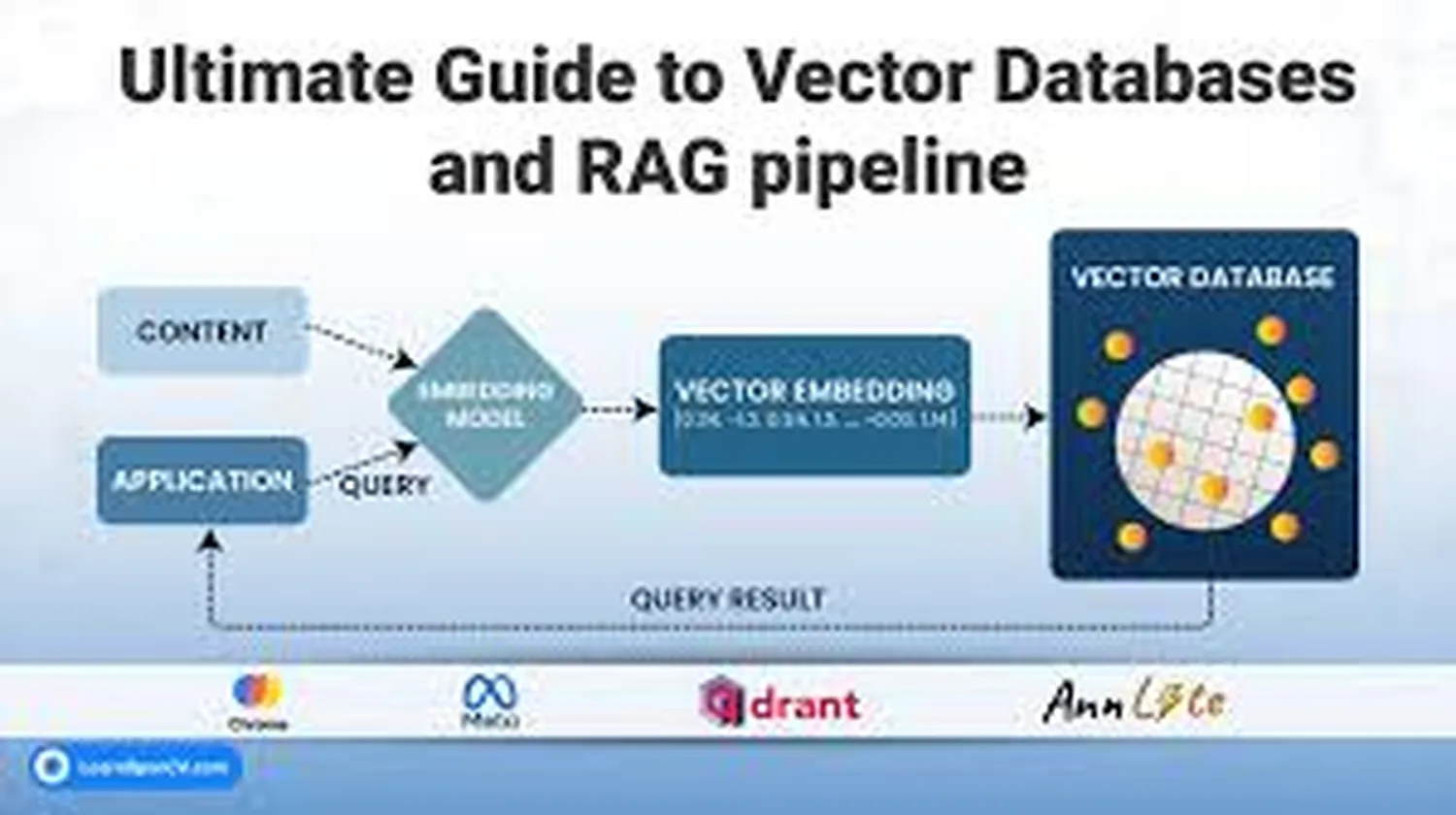
Learning how to design a vector database for RAG is the cornerstone of building enterprise-grade AI. Unlike traditional relational databases, vector databases store "embeddings"—high-dimensional numerical representations of data—allowing AI to understand context rather than just matching keywords.
The Core Architecture of RAG Databases
To build an effective system, you must focus on the data ingestion pipeline. This involves "chunking" your text (usually 512 tokens) and converting it into vectors using models like Ada or BGE. For developers, ensuring your code remains scalable is key; for instance, knowing how to use TypeScript 6.0 for strictly typed AI outputs helps prevent schema errors during retrieval.
Advanced Indexing: HNSW vs. IVF
Efficiency in a vector DB comes down to indexing. HNSW (Hierarchical Navigable Small World) is the gold standard in 2026 for its balance of speed and recall accuracy. If you are preparing for high-level technical roles, explaining these trade-offs is a vital part of how to pass a system design interview for a robotics company.
Performance Tuning & Scaling
As your database grows to millions of vectors, latency becomes an issue. Implementing metadata filtering allows the database to pre-filter results (e.g., by date or category), significantly boosting performance. Furthermore, consider how to deploy an AI-native app on Edge computing to move the search logic closer to your users for sub-50ms response times.
Expert Questions & Answers
pgvector extension is a great way to keep your data in one place for small to medium-scale RAG applications.