





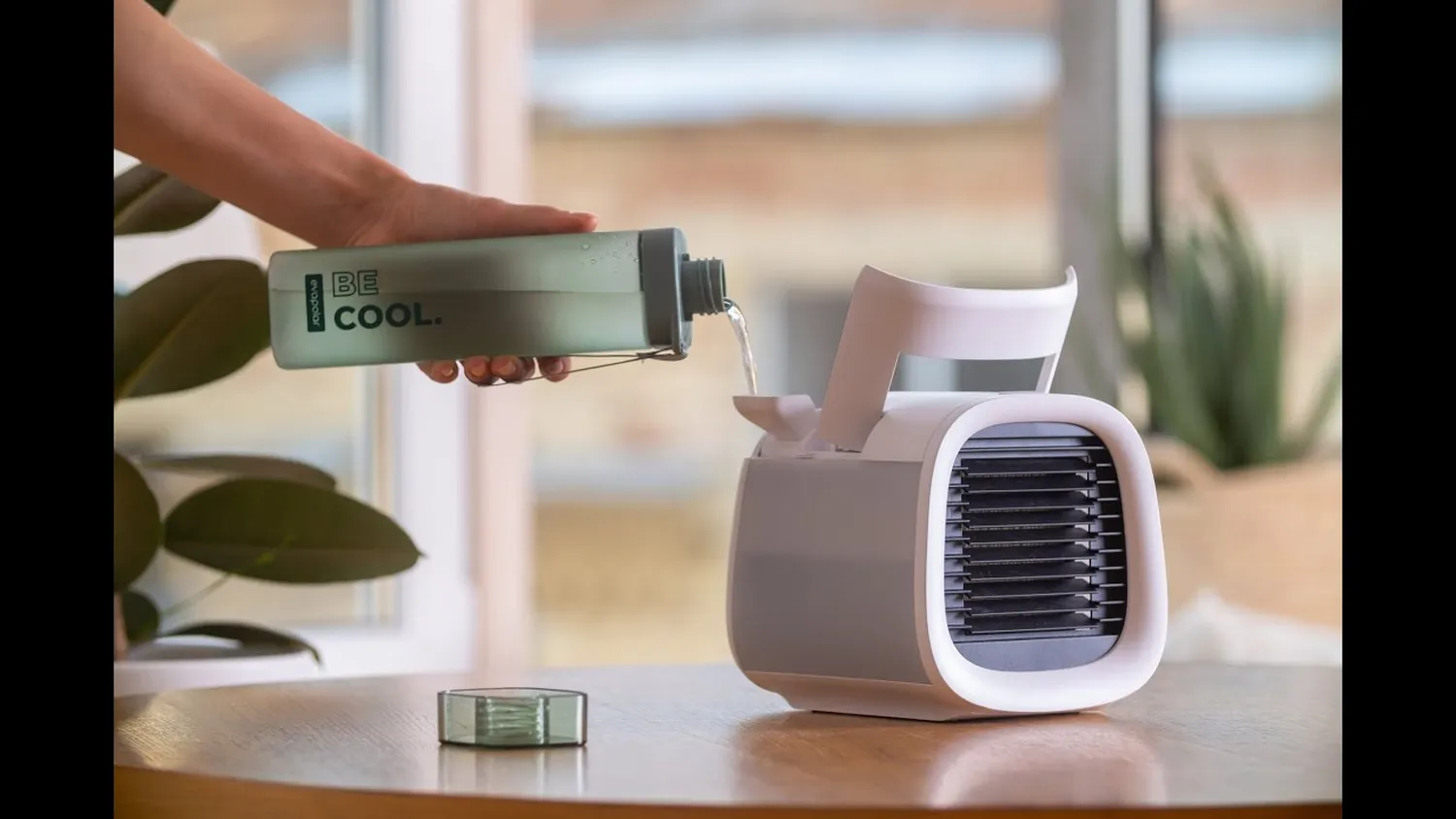
Surviving a scorching summer or a sudden urban heat wave shouldn't depend entirely on expensive, power-hungry mechanical cooling appliances. Understanding exactly how to cool down a room without air conditioning relies entirely on basic principles of domestic thermodynamics, clever ventilation setups, and strategic solar shield placements. By mastering these non-mechanical strategies, you can lower interior ambient temperatures noticeably while drastically shrinking your residential electricity consumption footprint.
1. Shielding Your Living Space from Solar Radiation
The single greatest cause of indoor thermal discomfort during daylight hours is radiant solar energy striking glass windows and structural walls. When direct sunshine penetrates regular glass panes, it creates an intense greenhouse effect inside, locking warmth within the building envelope. To counteract this phenomenon effectively, you must establish an uncompromising insulation barrier before the morning rays turn intense.
During maximum exterior temperatures, keep windows securely sealed. Open windows allow hot, heavy air to steadily invade cooler microclimates inside. To maximize energy protection, consider structural additions such as tinted solar films or exterior awnings. This technique closely mimics the structural preparation required when homeowners learn how to insulate windows for extreme cold weather, establishing a functional shield that repels external temperature extremes regardless of the season.
2. Advanced Airflow Dynamics and Cross-Ventilation
Mechanical electric fans do not inherently drop room temperature; instead, they chill human skin directly by accelerating sweat evaporation. However, you can deliberately configure individual fans to clear stagnant tropical air patches out of an enclosed room using systemic physical layouts.
To create highly functional cross-ventilation, open two windows situated directly across from one another after twilight arrives. Place an outward-facing box fan in a window to actively extract hot air pockets lingering near the ceiling. Concurrently, position an inward-blowing fan on the cooler, shaded side of the building to draw in crisp atmospheric breezes. For an extra refreshing touch, put a deep metal basin packed with solid ice cubes at an angle in front of your primary circulating fans. This creates an immediate homemade evaporative chiller that cools down ambient currents efficiently.
3. Thermal Impact Analysis of Household Adjustments
Slight lifestyle habits and appliance modifications yield measurable reductions in residential thermal retention. The comparative table below outlines quantitative temperature variations observed when applying different natural cooling methods.
| Cooling Method | Average Drop | Primary Benefit |
|---|---|---|
| Reflective Blinds | 3°F to 6°F | Blocks radiant energy |
| Ice Evaporation Fan | 2°F to 4°F | Instant localized breeze |
| Night Extraction | 5°F to 8°F | Flushes stagnant heat |
| Deactivating Lights | 1°F to 2°F | Removes phantom energy |
Furthermore, internal heat reduction requires keeping a close eye on modern technology. Standard incandescent lightbulbs and plugged-in charging devices constantly vent trace amounts of heat into small bedrooms. Unplug unused electronic appliances entirely from wall sockets to prevent hidden phantom power draw and extra heat build-up.
4. Nocturnal Strategies for Dynamic Overnight Rest
High relative humidity can prevent peaceful sleep during hot summer nights because wet air blocks your body's natural cooling through sweat. To get deep, comfortable sleep without relying on a loud air conditioner, you need to change your bedding setup and look at proven environmental methods.
Swap out dense polyester sheets for lightweight, long-staple Egyptian cotton or breathable organic bamboo weaves. These fibers naturally pass airflow and quickly pull sweat away from your skin. If you are experiencing dangerous heat waves with elevated solar radiation levels, you should take extra precautions, such as keeping daytime window shades drawn to keep the room cool. If you are unsure how these environmental factors impact your well-being, read about how to protect your skin from high UV index exposures to safely navigate high-temperature seasons.
For more detailed step-by-step guidance on adjusting your nocturnal bedroom setup to counter stubborn humidity spikes, explore our companion manual on how to sleep comfortably during a hot humid night using natural, non-AC bedroom solutions.
5. Frequently Asked Questions (FAQs)
Where should I position fans to cool a room without AC?
Point fan blades out of your windows instead of pointing them straight at your bed during the late afternoon. This clever layout creates low barometric pressure zones inside that draw out warm ambient air while pulling cool air from shaded sections of your home.
Does placing bowls of water around an apartment lower temperature?
Placing stationary bowls of water around an apartment helps only if you are in an arid desert climate where natural evaporation takes place. In humid regions, this practice raises indoor relative humidity levels, which can make the air feel stickier and more uncomfortable.
Should I keep interior doors open or closed during hot summer days?
Close off unoccupied rooms entirely during peak daylight hours. This prevents heat that builds up in sunny sections of the house from spreading into your frequently used living areas.
For further authoritative recommendations on thermal stress indices and maintaining personal biological hydration during seasonal transitions, consult the official Centers for Disease Control and Prevention (CDC) climate safety database directly.