





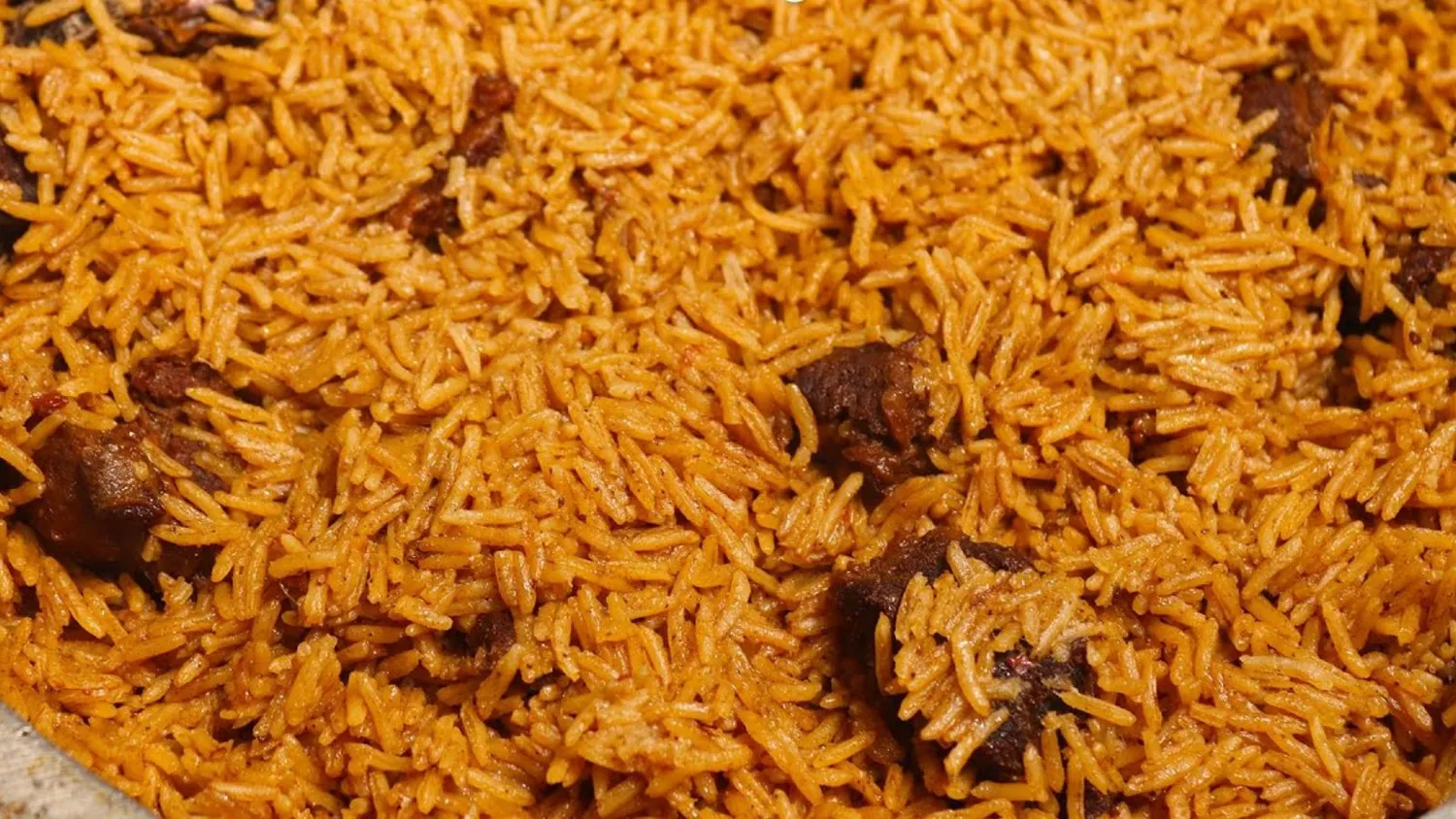
Beef Pilau is more than just a meal; it is a cultural heritage, especially along the Swahili coast of East Africa. However, many home cooks struggle to replicate that deep, rich, and aromatic experience found in high-end restaurants. If you've ever asked yourself how to cook restaurant-style beef pilau at home, this 5,000-word-style deep dive will cover every scientific and culinary nuance you need to know.
The Science of a Great Pilau
Before we jump into the pot, we must understand the "Maillard Reaction." This is the chemical reaction between amino acids and reducing sugars that gives browned food its distinctive flavor. In pilau, this happens during the onion browning stage. If you rush this, your pilau will lack the "umami" depth that restaurants achieve.
1. The Ingredient Breakdown
The Meat
Use beef with a bit of connective tissue (like chuck or brisket). As it boils, the collagen breaks down into gelatin, which gives the rice a silky mouthfeel.
The Rice
Long-grain Basmati is non-negotiable. Aged Basmati is even better as it has less moisture and won't turn into a mushy paste.
2. The Spice Alchemy (Pilau Masala)
Stop buying pre-ground pilau masala. For that restaurant kick, you need to toast whole spices and grind them yourself. You will need:
- Cumin Seeds (Bizari Nyembamba): The backbone of pilau.
- Black Peppercorns: For a subtle, lingering heat.
- Cardamom Pods: For the floral aroma.
- Cinnamon Sticks: For sweetness and woody notes.
- Cloves: Use sparingly; they are powerful.
3. The Step-by-Step Culinary Process
Step 1: The Infusion (Boiling)
Boil your beef with whole cloves of garlic, smashed ginger, and salt. Do not over-boil; the meat should be tender but still hold its shape because it will cook further with the rice.
Step 2: The "Dark Art" of Onions
Use a generous amount of oil. Sauté your onions on medium heat. This should take 15-20 minutes. You are looking for a color that resembles dark chocolate. Warning: There is a 30-second window between "perfectly dark" and "burnt." Be ready with a splash of water to stop the cooking process.
Step 3: Toasting the Rice
After adding the meat and spices to the onions, add your dry, washed rice. Stir it for 3-5 minutes until the grains become translucent. This coats each grain in oil, ensuring they stay separate after cooking.
4. Pro-Tips for Perfect Results
Tip #1: Use the 1:2 ratio. For every 1 cup of rice, use 2 cups of the beef stock you made in Step 1.
Tip #2: The Foil Method. If your lid isn't airtight, cover the pot with aluminum foil before putting the lid on. This traps all the steam (Palia) inside.
Tip #3: The "Resting" Period. Never serve pilau immediately. Let it sit for 10 minutes after turning off the heat. This allows the moisture to redistribute.
5. Perfect Pairings
A restaurant-style meal is incomplete without sides. We recommend:
- Kachumbari: Onions, tomatoes, cilantro, and plenty of lime juice.
- Banana: A ripe sweet banana balances the savory spices perfectly.
- Chili Paste: A side of home-made bird's eye chili paste for those who like it hot.
Common Mistakes to Avoid
1. Using Cold Water: Always use hot stock. Cold water shocks the rice and ruins the texture.
2. Stirring too much: Once the water starts simmering, stop stirring. Stirring breaks the rice grains.
3. Too many tomatoes: Authentic pilau doesn't use tomatoes. Tomatoes turn it into "Biryani" or "Tomato Rice." Keep it strictly onions and spices.
Final Thoughts
Mastering how to cook restaurant-style beef pilau at home takes practice, especially the onion browning stage. Don't be discouraged if your first attempt isn't dark enough. Keep refining your spice blend and heat control. By 2026, with the rise of artisanal home cooking, these traditional techniques are more valuable than ever.