





Learning how to calculate business ROI accurately is the difference between guessing and growing. In 2026, ROI (Return on Investment) remains the most critical metric for assessing whether a specific project, tool, or campaign is worth the money. Many businesses fail to track "hidden" costs, which leads to skewed results. Before you invest in a new strategy, it is often better to learn how to use data-driven marketing to increase sales to ensure you have the right metrics from the start.
What is Business ROI?
ROI measures the profit or loss generated on an investment relative to the amount of money invested. It is expressed as a percentage. While it sounds simple, the challenge lies in capturing every single cost. To avoid overspending, smart managers always compare prices for enterprise software before making a final purchase, as initial costs heavily influence the final ROI.
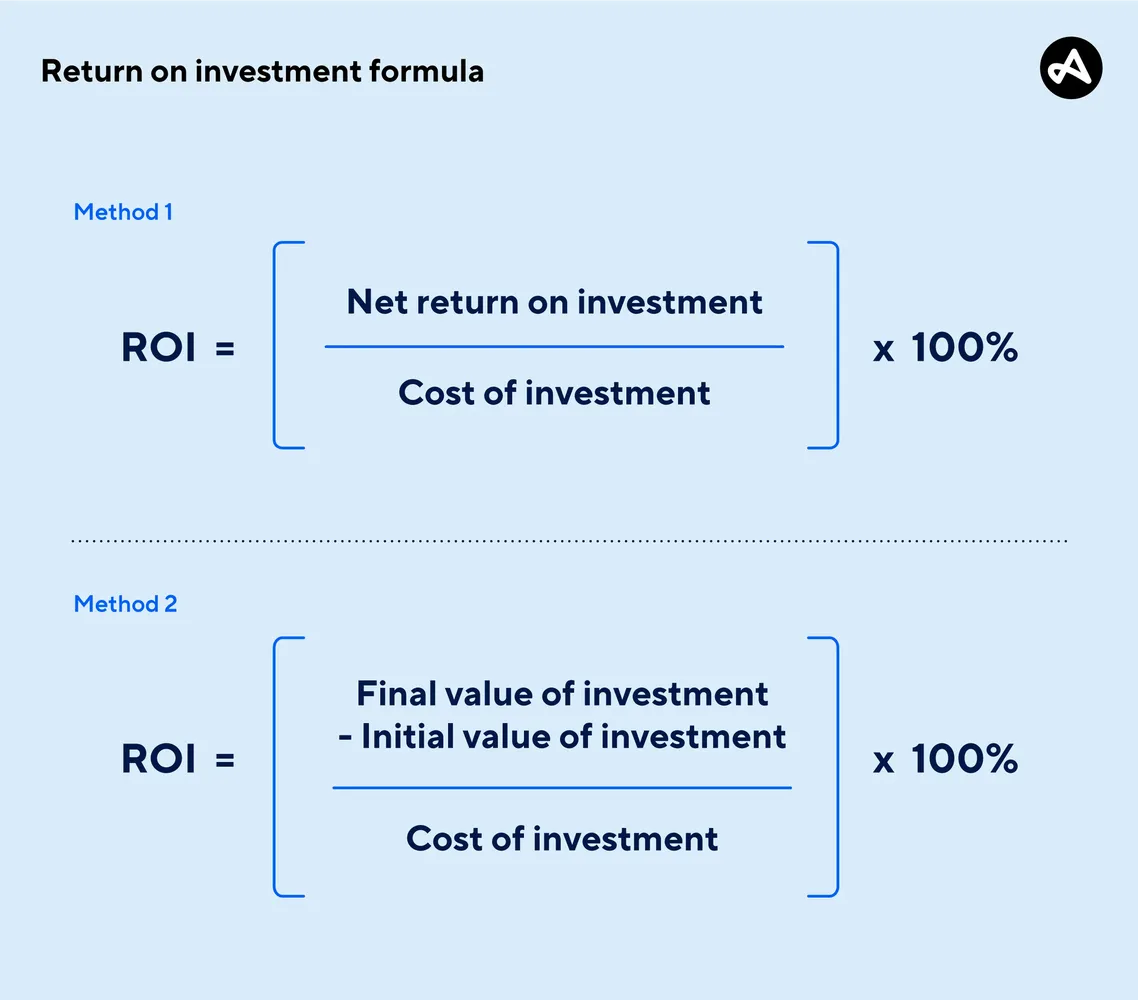
The Standard ROI Formula
To get a clear picture of your returns, use the following calculation:
ROI = [(Net Profit) / (Cost of Investment)] x 100
For example, if you spend $1,000 on a tool and it helps you generate $1,500 in additional revenue, your net profit is $500. Dividing $500 by $1,000 gives you an ROI of 50%.
4 Steps to Calculate Business ROI Accurately
- Determine Total Investment: Include the purchase price, taxes, and implementation time. You can often reduce this initial cost by learning how to get a discount code for business tools.
- Track Total Gains: Measure the direct revenue or time-savings converted into a dollar value.
- Subtract Costs from Gains: This gives you your "Net Profit."
- Perform the Division: Divide your net profit by the original cost to find your percentage.
Optimizing Your ROI
Accuracy is only half the battle; the other half is improvement. If your ROI is low, consider refining your approach. For instance, knowing how to optimize conversion rate (CRO) for landing pages can significantly boost your returns without increasing your ad spend. Additionally, you should always book a free demo for new software to test performance before the "cost" part of your ROI hits the ledger.
ROI Comparison Table
| Investment | Key Metric | Avg. ROI (2026) |
|---|---|---|
| Email Marketing | Conversions | 3600% |
| Paid Search | Lead Gen | 200% |
| CRM Software | Retention | 150% |
FAQs on Business ROI
Why is my ROI calculation always wrong?
Most likely, you are forgetting indirect costs like employee labor, subscription renewals, or transaction fees. Accuracy requires counting every cent spent.
What is a good ROI for a small business?
A "good" ROI is subjective, but in 2026, a 5:1 ratio (500%) for marketing and a 2:1 ratio for operational tools is considered successful.
Summary
Mastering how to calculate business ROI accurately allows you to scale what works and cut what doesn't. By using the standard formula and being diligent about tracking every expense—from software to labor—you ensure that your business remains profitable and competitive in a data-driven world.