





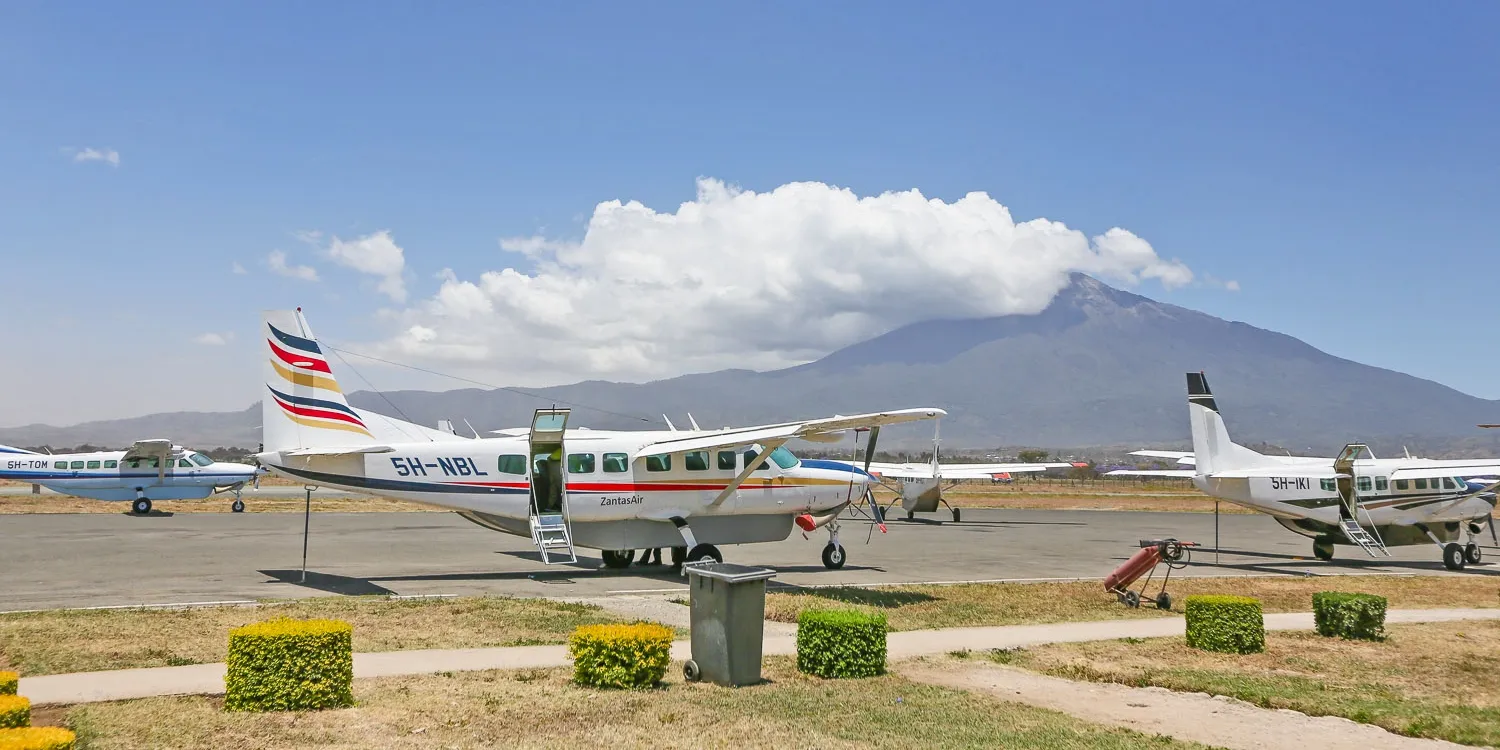
Planning an epic Tanzanian safari requires careful logistical execution. Knowing exactly how to book internal flights from Arusha to Serengeti national park saves you from a brutal 8-hour bumpy road journey, transforming your transit into a scenic 1-hour airborne flight over the Great Rift Valley. Flying directly into the wild allows you to maximize your wildlife viewing time. This practical guide covers the regional airlines, airstrip choices, baggage rules, and step-by-step procedures to secure your bush flight tickets for your 2026 wildlife adventure.
1. Arusha Departure Hubs: ARK vs JRO
When arranging your trip, pay close attention to your departure airport. Arusha is served by two completely separate transport hubs. Missing this distinction could result in a missed flight:
- Arusha Airport (ARK): Located right on the edge of town, this small regional hub handles the vast majority of local safari bush flights. If you stay the night at downtown Arusha, this is your primary gateway. It is fast, efficient, and dedicated to regional turboprops.
- Kilimanjaro International Airport (JRO): Situated roughly 50 kilometers east of Arusha, JRO handles large international carriers. A few regional airlines operate direct routes from JRO to the plains, designed specifically for travelers landing from abroad who want to bypass a stay in Arusha town entirely.
Read More: Planning to stay near the international airport before your bush flight? Check out our complete guide on how to find the best luxury hotels near Kilimanjaro International Airport (JRO) to secure a seamless transit.
2. Selecting the Right Serengeti Airstrip
The Serengeti does not have one massive central airport. Instead, the park features more than seven dirt and gravel airstrips scattered across different conservation zones. You must coordinate your flight booking with the physical location of your wilderness camp. Flying to the wrong airstrip could mean a 4-hour game drive just to reach your lodge.
| Airstrip Code | Park Region | Best For |
|---|---|---|
| SEU (Seronera) | Central Plain | Year-round big cat tracking, central lodges |
| GTW (Grumeti) | Western Corridor | Great Migration river crossings (May-July) |
| KGT (Kogatende) | Northern Plain | Mara River crossings (August-November) |
| SDA (Seronera South) | Ndutu Border | Calving season safaris (December-March) |
| LTA (Lobo) | North-East | Remote wilderness tracking, quiet routes |
Read More: If you are combining your Serengeti flight with other elite conservation areas, read our guide on how to experience luxury camping in Ngorongoro permanent tented camps for an unmatched bush experience.
3. Domestic Safari Airlines Comparison
Several trusted Tanzanian regional airlines fly these routes daily using reliable turboprop aircraft like the Cessna Grand Caravan or the Twin Otter. You can easily complete bookings on their official consumer portals:
- Coastal Aviation: Widely recognized as the premier "safari airline," offering comprehensive flight webs across the bush. They run an integrated network making it simple to link your remote safari directly out to beach hubs.
- Auric Air: An excellent carrier with an extensive domestic network, reliable schedules, pristine safety records, and simple online reservation tools.
- Regional Air: Operates highly convenient daily morning departures out of Arusha Airport, perfectly timed for midday lodge check-ins and afternoon game drives.
Read More: Want to head straight to the beach after your wild safari? Discover how to choose the best 5-star luxury beach resort in Zanzibar for the ultimate bush-to-beach holiday transition.
4. Flight Costs and Seasonal Ticket Pricing
Ticket prices for internal bush flights remain relatively high due to the specialized nature of operating light aircraft on remote dirt tracks. On average, a one-way ticket from Arusha Airport (ARK) to any Serengeti airstrip ranges between $250 USD and $450 USD per passenger.
During the peak Dry Season (July to October), seats fill up fast, so booking 4 to 6 months in advance is highly recommended. In the low Green Season (April to May), some regional operators offer minor promotional discounts, though flight frequencies may drop significantly due to reduced traveler demand.
5. Strict Luggage Rules for Bush Planes
The aircraft used for internal safari hops have compact luggage compartments built into the belly or tail sections. Because spatial dimensions are strictly limited, airlines strictly enforce luggage profiles:
- Weight Limit: A maximum of 15 kilograms (33 pounds) per passenger, which strictly includes your personal carry-on daypack and camera gear.
- Bag Style: Hard-shell suitcases with rigid frames or integrated wheels are completely banned on these aircraft. You must pack your gear in soft-sided duffel bags so baggage handlers can easily mold the luggage into the cargo pods.
- Excess Storage: If you are traveling with heavy gear, most operators permit you to purchase an extra freight seat (usually at 75% of the standard ticket cost), or you can safely store excess international bags at your Arusha base camp hotel at no extra fee.
6. Step-by-Step Booking Process
Follow these steps to lock in your internal flights cleanly:
- Check Lodge Coordination: Confirm your exact overnight lodge details. Ask the manager which specific landing strip their field vehicles use for guest meet-and-greets.
- Match Your Flight Leg: If you are navigating a multi-destination vacation, synchronize your bush hops around your coastal transfers to avoid costly overnight layovers.
- Input Passenger Information: Enter your full passport names and dates of birth exactly as written in your documentation. Mistakes can cause booking mismatches at security checkpoints.
- Settle Payment: Secure the reservations online using standard global credit cards. Print out the electronic vouchers and carry physical copies during airport check-in.
Read More: Navigating coastal connections around Tanzania's major cities? Learn how to book Kilimanjaro fast ferry tickets from Dar to Zanzibar to perfectly time your maritime transit windows.
7. Weather Factors & Flight Manifest Dynamics
Flying in small bush planes is vastly different from major commercial jet liners. Bush flights operate entirely on Visual Flight Rules (VFR). If heavy fog blankets Arusha or torrential rains turn dirt runways into slick mud tracks during the April monsoon season, flights will be delayed until safety conditions clear.
Furthermore, these flights often act as a "bush bus." Your plane might land at two other airstrips within the park to drop off or pick up other travelers before arriving at your final destination. Don't worry if your pilot makes an unannounced stop at a remote runway—it's standard practice in the African bush!
8. Flight vs Drive: Making the Practical Choice
While driving from Arusha to the Serengeti allows you to pass through the scenic Great Rift Valley and the Ngorongoro Conservation Area, the physical toll of an 8-to-10 hour drive on rough washboard roads can be exhausting. Choosing an internal flight turns a whole day of bumpy driving into an effortless 60-minute scenic flight. If your budget allows, flying is indisputably the best way to keep your energy high for your wildlife adventure.
9. Frequently Asked Questions
What happens if my international arrival at JRO delays?
Small safari flights operate strictly on daylight visual flight regulations. If your international link is delayed past 4:00 PM, you will need to overnight in Arusha and catch the early morning 7:30 AM bush departure.
Can I book these flights independently without an agency?
Yes, all primary regional carriers operate functional direct-to-consumer online engines. Ensure you specify the precise landing point to prevent getting stranded on a runway hours away from your camp.
Is there a park fee required upon landing at Serengeti airstrips?
Yes, entering the Serengeti requires a valid park permit issued by TANAPA. While the flight ticket covers your transit, your safari operator or lodge must pre-arrange your national park entry fees before you touch down.
10. Verified Safari References
To review safety compliance audits, route maps, or up-to-the-minute runway updates, consult the official Tanzania Civil Aviation Authority (TCAA) and the Tanzania Tourist Board operational databases.