





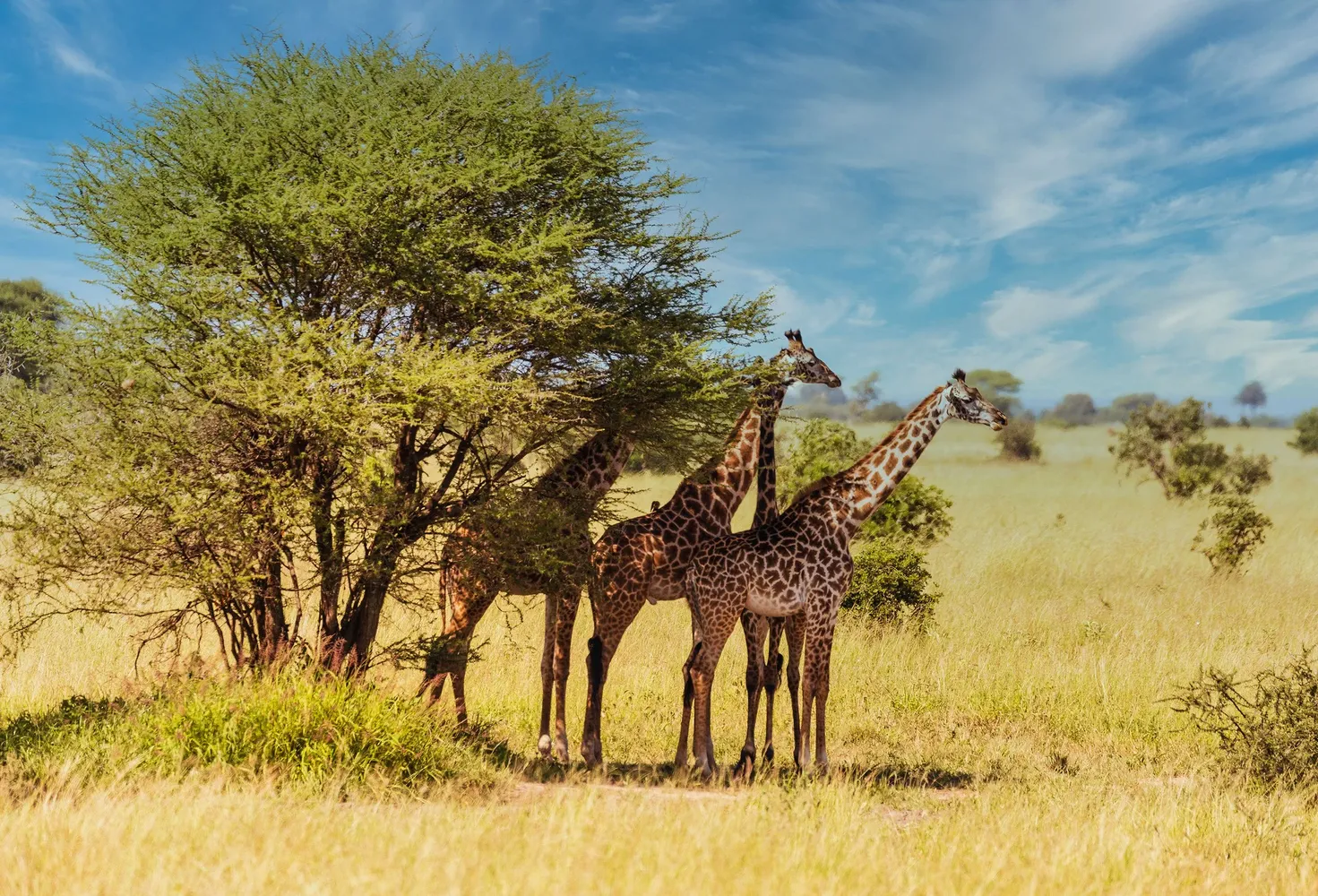
Capturing the raw majesty of East Africa requires more than high-end cameras and lenses; it demands a deep understanding of atmospheric conditions. Knowing how to choose your travel season for the best photography lighting in Tanzania can mean the difference between a flat, washed-out landscape and a professional-grade masterpiece brimming with dramatic golden hour glow. Tanzania's weather patterns directly control cloud coverage, dust levels, and lush greenery, all of which alter how natural light hits your subject. For a professional photographer, every shifting cloud or kick of dust is an analytical variable that dictates exposure settings, frame composition, and overall visual balance.
Understanding Tanzania's Lighting Dynamics
Because Tanzania sits just south of the equator, the sun rises and sets rapidly, typically around 6:30 AM and 6:30 PM year-round. This short transition means your morning and evening golden hours are highly compressed, lasting roughly 30 to 45 minutes. During the midday period, the equatorial sun becomes incredibly harsh, overexposing highlights and throwing dark shadows beneath animals. However, the season you select introduces elements like airborne dust or moisture clouds that scatter these direct rays, softening or amplifying the illumination.
The speed at which dawn transforms into blinding harsh light requires immediate technical adaptability. Within thirty minutes of the sun breaking over the horizon, the warm, low-angle light changes into a neutral, high-contrast beam. This high-contrast beam creates extreme differences between the bright parts of your image and the dark shadows, making it hard for camera sensors to capture all the details at once. Therefore, learning how weather conditions modify this daily trajectory is critical for preserving details across the dynamic range.
The Dry Season (June to October): Dramatic Golden Hours
From late June through October, the landscape dries out completely. This lack of moisture creates specific advantages for photographers looking for warm tones and distinct outlines. As safari vehicles traverse the arid savanna, fine volcanic dust rises into the lower atmosphere. For those seeking to maximize wildlife spotting in Tarangire during the peak dry season, this dust acts as a giant natural softbox at sunset, refracting light to yield blood-orange horizons and radiant backlighting around elephants.
- Atmospheric Effect: High dust suspension creates smoky, dramatic backgrounds.
- Best Shot Style: Animal silhouettes against low sun positions.
- Contrast Level: Intense contrast during mid-afternoon hours.
- Color Profile: Deep ambers, scorched yellows, and warm earth tones.
While the skies remain consistently cloudless, planning an itinerary during these months ensures predictability. Photographers can easily time their morning departures to capture large predators while tracking shadows across wide-open plains without risking rain damage to sensitive electronics. The absence of foliage also increases line-of-sight visibility, allowing light to hit subjects directly without leaf-filtered patchy shadows breaking up the frame.
The Green Season (November to May): Crisp, Clean Textures
Often overlooked by general tourists who flock to East Africa for the dry landscapes, the green or wet season delivers phenomenal photographic variance and unique artistic opportunities. This extended period is actually broken into two distinct phases—the "short rains" of November and December, and the "long rains" hitting their peak from late March through May. After the initial short rains wash away the thick dry season haze in late November, the entire atmosphere undergoes a radical transformation, stripping the air of suspended particulates and microscopic dust grains. This pristine, crystal-clear atmosphere is ideal when learning how to catch the spectacular bird migration season in Tanzania’s Great Rift Valley, as the complete absence of dust allows long telephoto lenses to capture fine plumage details, subtle iridescent gradients, and razor-sharp textures without any atmospheric distortion or color shifting.
As the season progresses into January and February, the landscape experiences a temporary dry spell often referred to as the calving season in the southern Serengeti. During this specific window, the light balances beautifully between lush, emerald-green backgrounds and clean, high-intensity sunlight. The fresh vegetation absorbs light differently than dry, reflective straw grasses, reducing the overall ambient glare and allowing the native colors of wildlife coats to pop naturally without aggressive saturation adjustments in post-processing. For landscape and wildlife photographers alike, this provides a highly versatile canvas where the rich contrast between deep blue skies, white puffy cumulus clouds, and vibrant green plains creates immense depth within the frame.
During the heavy monsoonal rains of April and May, massive cumulonimbus cloud formations roll dynamically over the Serengeti and the Ngorongoro highlands. This moody, ever-changing sky provides brooding, high-contrast backdrops that contrast beautifully with the intensely vibrant emerald plains below. Midday shooting—traditionally avoided by safari photographers due to harsh overhead rays—becomes highly viable during these months because intermittent, heavy cloud covers act as massive natural diffusers, softening harsh glares, balancing skin tones, and completely removing the dark, unflattering shadows beneath an animal's brow or torso.
Furthermore, the green season is world-renowned among professionals for producing highly dramatic lighting transitions that are impossible to capture during the cloudless summer months. It is common to experience rapid weather shifts where a localized storm cell blocks out the background sky in dark slate-gray or deep navy shades, while an unexpected breakthrough beam of direct afternoon sunlight strikes an isolated subject in the foreground. This rare spotlight effect highlights a solitary lion, leopard, or elephant against an ultra-dark, stormy horizon, creating an incredibly artistic, high-impact, and painterly composition directly in-camera without the need for complex digital manipulation.
Photography Conditions Comparison Table
The matrix below breaks down qualitative and quantitative metrics to assist you in aligning your visual style with Tanzania's climatic calendar.
| Season | Months | Light Quality | Primary Palette |
|---|---|---|---|
| Peak Dry | Jul - Oct | Hazy / Golden Warm | Tawny, Gold, Amber |
| Short Rains | Nov - Dec | Crisp / High Contrast | Bright Green, Blue |
| Calving Peak | Jan - Feb | Soft Morning Dust | Vibrant Greens, Pastels |
| Long Rains | Mar - May | Brooding / Diffused | Deep Emerald, Dark Gray |
Circuit-Specific Lighting Insights
Different regions of the country handle light uniquely depending on geography. If you choose a southern route and learn how to plan a remote safari to Ruaha and Nyerere National Park during the dry season, the light interacts with massive baobab silhouettes and river systems, providing long, graphic shadow plays. The dry riverbeds of Ruaha reflect intense heat and bright white glare upward during the middle of the day, forcing creators to switch from wide landscape imagery to tight, tight portrait crops that minimize the harsh ground reflections.
In contrast, the high crater rim of Ngorongoro blocks early morning light, meaning the floor of the crater receives usable light roughly 45 minutes later than flat plains like the Serengeti. This late dawn means you lose the very lowest, warmest angles of sunrise before the light reaches the animals below. When traveling with family members who might prefer predictable weather over dramatic stormy skies, photographers must balance comfort with creative drive. Discovering how to select the safest and most comfortable travel months for a Tanzania family safari will help you pinpoint those temperate mid-season windows where comfortable conditions line up perfectly with pristine morning clarity.
Professional Wildlife Lighting Tips
To maximize whatever season you select, employ these timeless exposure and framing strategies designed specifically for the East African environment:
- Expose for the Highlights: When a low sun hits a pale lion coat or zebra stripes, pull back exposure values by -0.3 or -0.7 EV to keep the bright details from blowing out.
- Leverage Backlighting (Rim Lighting): Position your vehicle so an animal stands directly between your camera and the rising or setting sun. This emphasizes dust particles and creates a luminous outline around fur.
- Monitor the White Balance: Modern mirrorless cameras can overcompensate for rich African golden hours. Lock your white balance manually to 'Daylight' or 'Shade' to retain rich amber tones.
- Utilize Polarizers in the Wet Season: A circular polarizer removes surface reflections from wet foliage and darkens blue skies, enriching color saturation naturally in-camera.
For deep, highly detailed information regarding wildlife tracking and photographic equipment preparation, check the National Geographic Photography Resource Guide to understand world-class fieldwork standards.
Frequently Asked Questions
Which month offers the absolute clearest photography lighting in Tanzania?
January and February offer exceptionally clear atmospheres. The short rains of November and December scrub away airborne dust particles, leaving crisp morning light and minimal distortion across long-distance plains.
How does dust affect safari photography lighting in Tanzania?
During the peak dry season from July to October, suspended dust particles scatter daylight, producing highly dramatic, deep orange sunset hues and glowing light bands behind wildlife.
Is it possible to take professional wildlife photos during the rainy season?
Yes. The rainy season features magnificent, dark storm clouds that contrast beautifully against sunlit animals on green plains, along with soft midday lighting due to persistent cloud cover.
Conclusion: Aligning Your Camera with Tanzania's Skies
Ultimately, there is no single "best" time for photography lighting in Tanzania—only the season that perfectly matches your portfolio goals. If your vision centers around high-drama silhouettes, golden savannas, and glowing rim-lit dust profiles, book your travel from June to October. If you prefer rich color saturation, clear air without distortion, and dramatic storm backdrops, choose the green months of November through May. Aligning your shutter with the natural rhythm of East Africa guarantees spectacular images.