





Planning an expedition to stand atop Uhuru Peak requires critical decisions, none more vital than selecting an ethical, authorized agency. With hundreds of operators competing online, locating the best KPAP certified Kilimanjaro tour operators ensures your safety while directly defending local porter rights. This comprehensive guide outlines precise strategies to separate certified partners from predatory companies and details how to evaluate authentic consumer reviews with absolute certainty.
Why KPAP Certification is Essential for Your Climb
The Kilimanjaro Porters Assistance Project (KPAP) is an independent initiative of the International Mountain Explorers Connection (IMEC). It serves as a strict regulatory checkpoint ensuring fair treatment, transparent payment distribution, proper meals, and safe shelter for local mountain crews. When choosing among companies, prioritizing a KPAP-aligned operator means prioritizing human rights on the trail. Porter welfare is not a secondary luxury; it is the absolute backbone of the entire mountaineering industry in Tanzania. Without the raw physical endurance and structural support of these crews, reaching the rooftop of Africa would be fundamentally impossible for over 99% of international climbers.
Without independent auditing, exploitative operations frequently underpay crews, skimp on essential nutritional provisions, or overload mountain staff. Before selecting your gear or deciding how to choose the best hiking boots for Mount Kilimanjaro, verifying partner accreditation guarantees your investment stays ethically accountable. Unregulated agencies operate in the shadows of the tourism sector, taking advantage of high local unemployment rates to offer desperate young men sub-standard wages that fail to meet basic living costs in the Kilimanjaro and Arusha regions.
Porters carry the heaviest structural burdens on the mountain—including your structural shelters, mess tents, heavy gas cylinders, cooking utensils, and emergency medical kits. When an operator cuts prices down to unsustainable levels, those margins are systematically carved out of the porter's livelihood. This results in severe systemic issues such as lack of cold-weather sleeping gear, insufficient calorie intake, and sleeping on cold ground surfaces. These structural violations rapidly lead to localized outbreaks of hypothermia and pneumonia in high-altitude camps like Barafu and Arrow Glacier, where temperatures routinely plunge below freezing.
Furthermore, an underfed and cold porter faces a drastically higher statistical probability of developing debilitating high-altitude conditions, such as acute mountain sickness (AMS) or pulmonary edema, because their compromised metabolic state cannot keep up with the intense energy demands of carrying heavy loads uphill. When you choose a non-KPAP operator, you are actively participating in an extractive business model that exploits human labor for cheap margins, sacrificing the safety, dignity, and long-term health of the very people making your dream climb a reality.
The operational framework enforced by KPAP involves direct, unannounced on-mountain monitoring. Independent KPAP investigative officers routinely hike the routes disguised as standard support staff or inspect camps directly to interview porters privately. They check if the daily wage matches legal specifications, weigh the porter loads using independent hanging scales, and examine the inner lining of crew tents to verify that waterproof integrity and thermal insulation sheets are properly maintained. This continuous accountability completely eliminates the possibility of defensive greenwashing or fake marketing by deceptive agencies.
When you look closely at the numbers behind low-cost operations, the financial math quickly falls apart. The Tanzanian National Parks Authority (KINAPA) charges fixed daily conservation fees, rescue fees, and camping taxes per person. When an agency offers a total package price that looks incredibly cheap, it is financially impossible for them to cover those mandatory government fees while still providing decent food, modern safety gear, and fair wages. The cost is almost always pushed down onto the porters, who end up receiving lower salaries or are forced to rely entirely on unpredictable tips from clients at the end of the trek.
Top Recommended Kilimanjaro Tour Operators
When reviewing companies that demonstrate exceptional mountain safety, operational transparency, and unwavering alignment with local porter welfare initiatives, custom boutique operators stand out. Highly rated agencies like Jaynevy Tours have established strong track records for running elite safety systems, using premium quality field equipment, and maintaining high organic client satisfaction scores across international tracking portals.
Choosing an agency with visible local ground leadership ensures that tracking field conditions, medical equipment provisions, and dietary adjustments remain tightly controlled throughout your journey on the mountain. Local operators who prioritize their crews often experience much lower staff turnover, meaning your mountain guides and porters function as a synchronized, tightly knit team during life-threatening alpine weather events. This level of institutional stability is vital when dealing with unpredictable weather on Kilimanjaro's upper slopes, where sudden blizzards or severe drop-offs in barometric pressure can turn a standard summit push into a serious emergency situation.
Boutique agencies focus heavily on localized custom itineraries rather than relying on volume-based mass tourism. This allows them to invest heavily in the ongoing professional development of their mountain guides, wilderness first responders, and culinary teams. Their chefs are professionally trained to construct precise, macronutrient-dense menus tailored for extreme environments, ensuring both climbers and crew members maintain optimal glycogen reserves during the grueling physical ascent.
Additionally, these top-tier operators maintain strict protocols for checking emergency medical equipment before every single departure from the park gates. This process includes testing portable hyperbaric chambers, verifying the pressure levels of medical oxygen cylinders, and checking the calibration of electronic pulse oximeters. When you trek with an ethical, locally rooted agency, your support system is run by professionals who are paid fair wages, treated with dignity, and fully equipped to handle high-altitude challenges safely.
By booking your climb through highly trusted local entities like Jaynevy Tours, you directly support the local economy in Moshi and Arusha. This ensures that your tourism dollars go right into the pockets of Tanzanian families rather than getting caught up in expensive international booking networks. This direct investment helps build sustainable communities, funds local education initiatives, and elevates the standard of living for the real heroes of Mount Kilimanjaro—the porters, guides, and mountain crews.
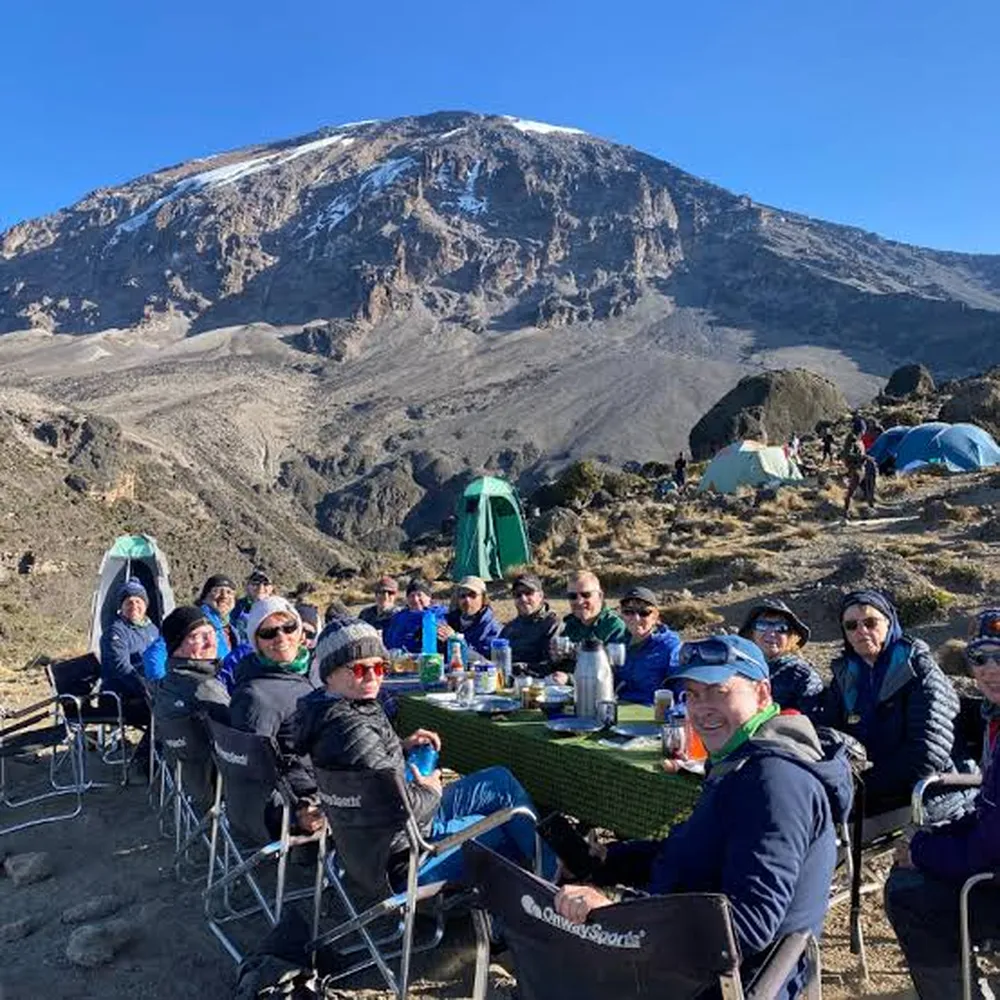
 Reaching the historic Uhuru Peak summit requires a well-supported and ethical support crew.
Steps to Verify Genuinely Certified KPAP Operators
Many unauthorized discount agencies illegally display compliance badges on their landing pages to deceive unsuspecting travelers. Use this straightforward step-by-step framework to verify legitimate credentials:
- Consult the Live Database: Never trust website logos alone. Navigate straight to the official public monitoring directory managed by the Kilimanjaro Porters Assistance Project to check if the company retains active status.
- Cross-Check the Local Registration Name: International booking groups frequently partner with local Tanzanian ground outfits. Confirm which specific Tanzanian entity handles the mountain logistics on your behalf.
- Analyze Tipping Openness: Trustworthy partner operators clearly present structured, honest tipping outlines before you commit to down payments.
A common predatory practice involves registering an agency under an active name, losing compliance status due to systemic wage violations during auditing cycles, and continuing to use historical marketing assets to mislead climbers. True industry leaders display real-time clarity by supplying transparent operational parameters across their legal invoices.
How to Spot and Read Authentic Reviews
Digital platforms are regularly saturated with skewed profiles and polished, incentivized reviews. Finding unmanipulated climber feedback requires lookouts for clear operational indicators across third-party sources like TripAdvisor and Trustpilot.
- Filter for Intermediate Ratings: Read 3-star and 4-star writeups first. These candidly break down exact logistics, group sizing fluctuations, and mountain food experiences without excessive marketing speak.
- Track Crew References: Authentic client testimonials often mention individual guides, chefs, and specific porters by name, validating real human interactions.
- Watch Out for Bot Accounts: Be wary of profiles that only have one review to their name and generic phrases like "Best trip ever with the best agency!"
Pay very close attention to how reviewers describe the health, behavior, and physical condition of the mountain crew. If an article mentions that porters lacked warm winter jackets, wore worn-out running footwear on glaciers, or were left begging for leftover meals from tourists, it signals a major operational red flag—regardless of whether the client successfully reached the peak.
Porter Welfare Standards and Fair Cost Indicators
Securing an elite team impacts safety preparation directly. Proper group backing ensures adequate attention if you need to know how to prevent altitude sickness and AMS while climbing Mount Kilimanjaro. Ethical operations include comprehensive care systems, including tracking how to manage Diamox dosage or enacting emergency procedures based on verified medical evacuation protocols on Mount Kilimanjaro.
| Welfare Factor | Standard KPAP Condition |
|---|---|
| Minimum Daily Salary | TSH 26,000+ ($10-12 USD equivalent minimum baseline) |
| Maximum Payload Cap | Strictly limited to 20kg maximum weight limit per porter |
| Daily Meal Protocols | Three nutritious, high-calorie meals served daily on-site |
| Shelter Standards | Waterproof tents equipped with thick insulating floor mats |
Route Selection and Its Impact on Porter Workloads
The route you choose heavily dictates the physical strain experienced by your crew. Steep, aggressive pathways like the Umbwe route force rapid vertical ascents, meaning porters must haul gear up treacherous rock faces under intense metabolic stress. Conversely, more gradual options like the Lemosho or Northern Circuit extend the expedition layout over 7 to 9 days.
While longer routes maximize your personal physiological safety and natural acclimatization, they require your support staff to sustain rigorous physical exertion over a longer period. Ethical KPAP operators manage these extended schedules responsibly by adjusting rotation shifts, calculating precise daily calorie allotments, and providing solid tip adjustments to compensate for the additional high-altitude trail days.
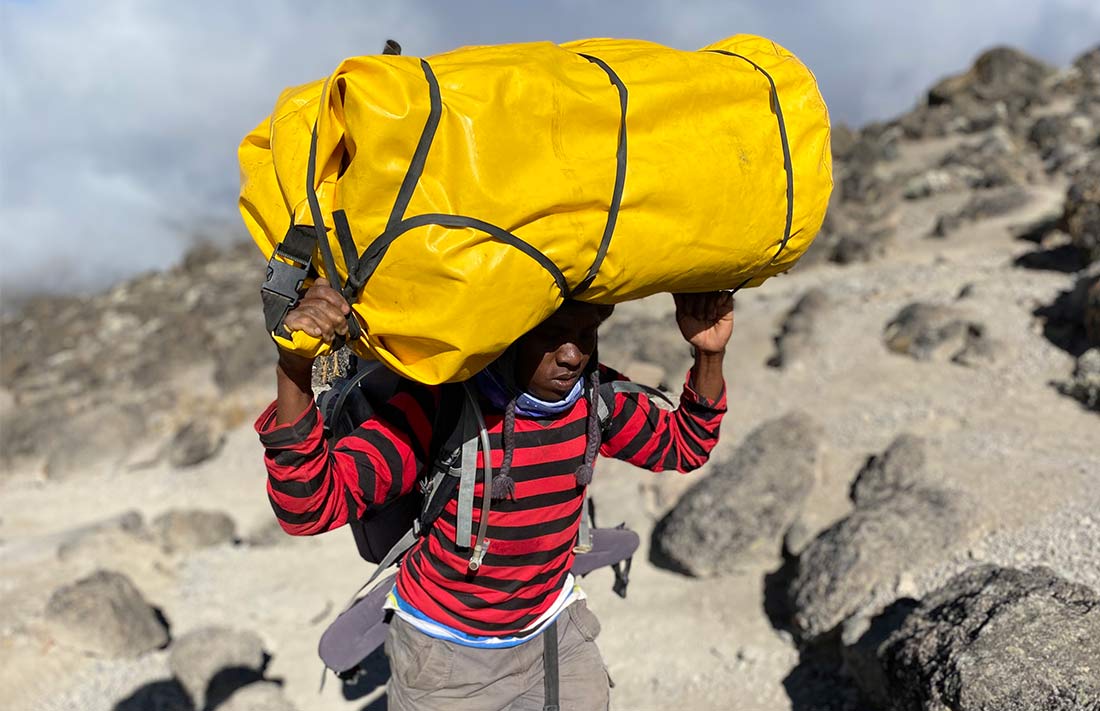 KPAP regulations strictly mandate a 20kg maximum limit per porter bag to protect workers from physical strain.
High-Altitude Medical Interventions and Emergency Gear
True crew welfare extends far beyond fair wages; it includes comprehensive medical protection. High-altitude environments present real risks of life-threatening conditions like High Altitude Pulmonary Edema (HAPE) and High Altitude Cerebral Edema (HACE), which can affect porters just as easily as international trekkers. Shady, low-cost agencies often ignore sick crew members, leaving them to descend unaccompanied when health complications arise.
KPAP-compliant agencies treat their support staff with the same medical priority as paying clients. This means providing access to pulse oximeters, emergency supplemental oxygen canisters, specialized hyperbaric bags, and rapid evacuation options when critical symptoms are detected in the field.
Frequently Asked Questions
Does KPAP certification cost mountain porters money?
No, the Kilimanjaro Porters Assistance Project is completely free for porters. Membership and operator compliance audits are structured directly through institutional non-profit frameworks to secure staff protections clean of conflict.
Can budget operators remain true KPAP partners?
Very cheap tour options rarely pass compliance reviews because fair minimum salaries, park conservation rates, and safety equipment standards naturally keep base trip operational costs above a certain financial threshold.
What is the standard tip allocation rule for Kilimanjaro porters?
The accepted standard recommendation sits around $8 to $10 USD per day per porter, distributed transparently via individual tipping envelopes directly to the crew members rather than a lump sum to a single manager.
Expert References and Authorities
To cross-examine information regarding ethical climbing parameters, check out these credible industry resources:
- The Official Kilimanjaro Porters Assistance Project (KPAP) Directory Portal.
- The Tanzania Tourist Board (TTB) Registered Agency Database.
- For travelers wanting a deeply grounded, regenerative holiday framework, learn how to combine wildlife and wellness on a Tanzania mindfulness safari to round out your upcoming trip perfectly.